
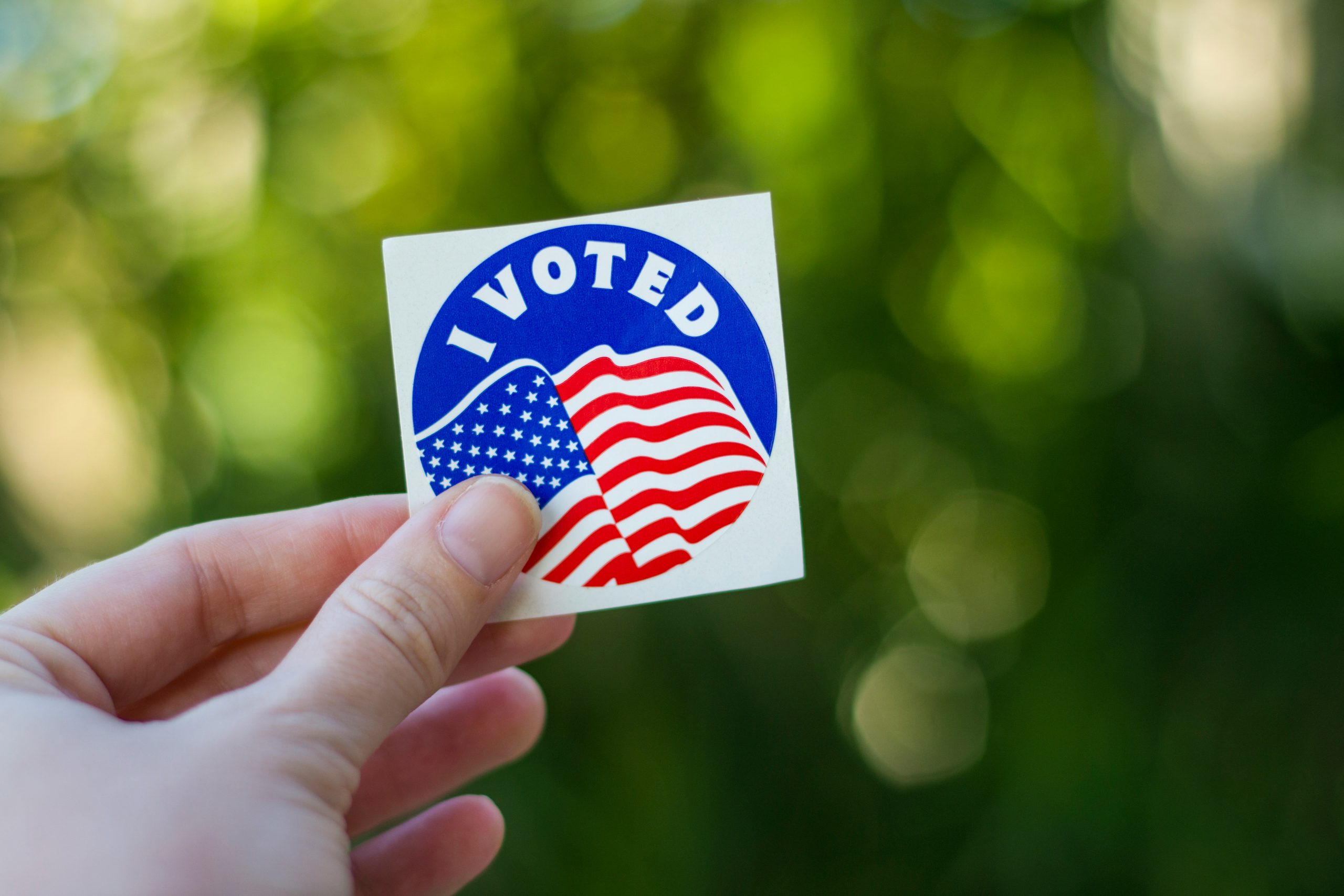
Generation Z voters (aged 18-29) are predicted to make a significant impact on the upcoming 2026 Midterm elections. This has not always been the case, as student and youth voter turnout has historically remained low. Only 47% of Americans aged 18-29 voted in the 2024 election. This year, 50 million Gen Z Americans are eligible to vote.
In October, a report by UCLA’s William Institute examined the political priorities and voting intentions of Gen Z adults ahead of the 2026 midterms. The study found that nearly 74 percent of respondents said they were likely or certain to vote. These numbers come as no surprise to those who work with students, spend time organizing on college campuses, or identify as Gen Z during the Trump Administration. Rising living costs, ICE raids, attacks on reproductive rights access, sexual assault cases, climate change, and unwanted wars have directly impacted their lives and are driving them to the polls with a passion for change.
Leela Strong, Director of CIRCLE, who works to empower the youth vote, reflected: “Young people are sending us clear signals, not only of dissatisfaction with our politics and deep economic concerns, but also of a strong desire to take action and drive change.” Organizations such as When We All Vote are working to engage young people by connecting their priorities with the issues and candidates on their ballots. Opportunities to participate alongside friends and classmates can also encourage young people to become more involved in politics.
Campus organizing is another part of these efforts. The Feminist Majority Foundation’s Feminist Campus program is actively working to get the student vote out. Students can help their peers register to vote, understand their ballot, and march to the polls in solidarity. These efforts are particularly important for first-time voters, who may need guidance.
Not only are young people planning to vote, but they are also planning to vote overwhelmingly Democratic. In the September Economist/YouthGov Poll, when asked who they will cast their ballot for, 54% of 18-29-year-olds said the Democratic candidate, compared with 22% who said the Republican candidate. The same survey found a sentiment among youth that reflects that the Republican Party is too extreme. When asked, “Do you think the Republican Party is too extreme?” 65% of 18- 29-year-olds replied yes. In contrast, only 29% believe the Democratic Party is too extreme. These results reflect the views of respondents at the time of the survey and do not necessarily predict how young people will vote in November.
These numbers are significant and show promising signs that young people are empowered to change the course of our political and social reality. Voter registration, accessible election information, and campus organizing can help young people navigate the voting process and participate in decisions that affect their futures. To learn more, head to vote411.org/feminist.