
Massachusetts Expands Protections for Reproductive and Gender-Affirming Care

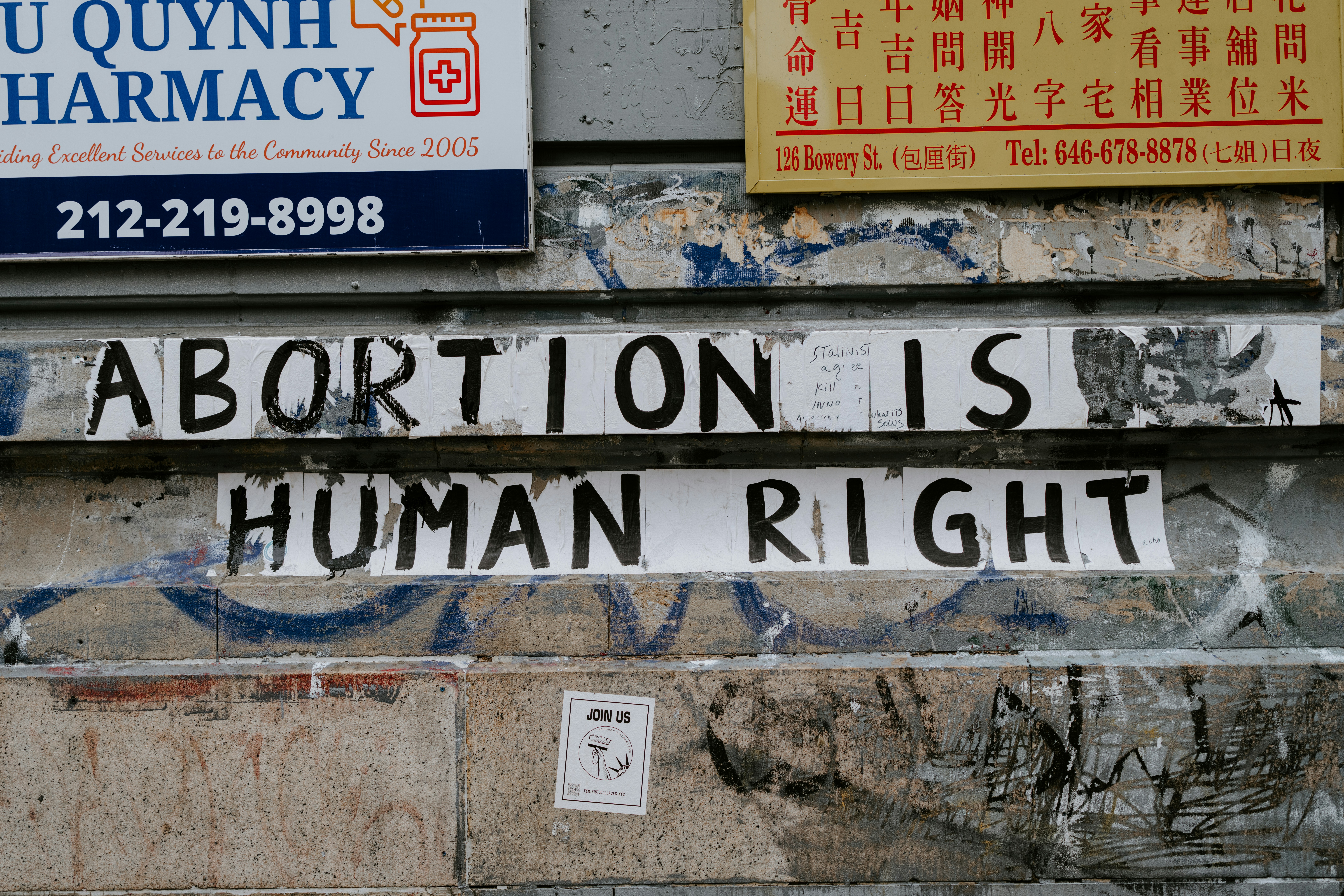
Despite rapidly escalating cuts to reproductive and gender-affirming healthcare, Massachusetts Governor Maura Healey has signed a groundbreaking new act that will expand and add protections to reproductive and transgender healthcare. 

The bill, S.2538, takes several actions to safeguard patients, providers, insurers, tech companies, and others from federal investigations related to reproductive and gender-affirming healthcare. S.2538, has been nicknamed the “Shield Act 2.0” after the original 2022 shield law, enacted by former Governor Charlie Baker, which prohibits states that have banned life-saving healthcare treatment from punishing those who travel to Massachusetts to receive it.

The bill adds reproductive and gender-affirming care providers’ personal information to the list of protected non-public information under the public records law. State entities are prohibited from disclosing identifiable patient or provider information to out-of-state or federal agencies, and businesses are prevented from relinquishing communications data in cases involving out-of-state targets targeting reproductive and gender-affirming care. New prescription drug rules allow labels to list the clinic’s name instead of the doctor’s name to protect their identities.

To protect patients, medical data is only available to individuals authorized by the patient to access it. Courts in Massachusetts are not allowed to remove custody from a parent who permitted their child to undergo gender-affirming care, and the state cannot discipline lawyers who advise or represent clients with reproductive or gender-affirming care cases where it might be illegal elsewhere. Hospitals must also provide stabilizing care, including abortion, for emergency medical conditions, such as placental abruption or preeclampsia.

Governor Healey called the law during its August 7 signing, “the strongest law in America that will protect reproductive health care, gender-affirming care, and those who provide it.” Lieutenant Governor Kim Driscoll furthered her point: “Massachusetts is home to the best health care providers in the country, and we aren’t going to let them be intimidated or punished for providing lifesaving care. Together with the Legislature, we are reminding the entire country yet again that Massachusetts is a place where everyone can safely access the health care they need and deserve.”

For Massachusetts residents, their government has made clear that Massachusetts will not back down from protecting the rights of its constituents, even as access is restricted in many other states. Although one in three American women now resides in a state where abortion access is restricted, Healey’s passage of the new law stands as a beacon of hope for women and LGBTQ youth seeking essential healthcare.

Alligator Alcatraz Raises Legal and Environmental Concerns

In a new development in the current administration’s federal immigration enforcement, a new detention facility has been constructed in Florida’s swampy Everglades. Nicknamed “Alligator Alcatraz” by Florida attorney general James Uthmeier, the facility has been established at a decommissioned airport spanning 39 square miles of the Florida Everglades. Detainees will be surveilled by more than 200 security cameras and 400 security personnel, while enclosed within 28,000-plus feet of barbed wire. It is estimated that the detention center will hold a capacity of 5,000 beds by early July, and will cost $450 million annually.

Federal officials toured Alligator Alcatraz on Tuesday, July 1, claiming the site “might be as good as the real Alcatraz”. Its location, however, differs from Alcatraz’s mild climate: the area is extremely hot and humid, and surrounded by marshlands that house Burmese pythons, crocodiles, mosquitoes, and, of course, alligators. Some have referenced the proximity to dangerous wildlife as a reason for placing a detention center there, with Florida state officials citing the facility’s isolation and invoking comparisons to the notorious prison fortress in their public statements.

In recent weeks, merchandise referencing “Alligator Alcatraz” has surfaced on both political websites and commercial platforms, sparking further controversy over the messaging and imagery surrounding the facility. Shirts, beverage coolers, and hats featuring the words “Alligator Alcatraz” and a building in a swamp with an alligator and snake are being sold on various websites. Vendors on Amazon are also selling Alligator Alcatraz shirts and hats, complete with images of alligators with guns, sunbathing alligators, or even alligators behind bars.

Immigrant rights organizations have raised serious concerns regarding oversight and transparency. Mark Fleming, the associate director of federal litigation at the National Immigrant Justice Center, said the detention center is outside the scope of the federal government, and stated that the center risks becoming an “independent, unaccountable detention system.” He also noted that there was no clear plan for medical staffing and other services, in “callous disregard for the health and safety of the human beings they intend to imprison there.”

Environmental organizations, including Friends of the Everglades and the Center for Biological Diversity, have filed a lawsuit challenging the facility’s construction. The groups sued Secretary of Homeland Security Kristi Noem, Acting Director of ICE Todd Lyons, Executive Director of Florida Division of Emergency Management Kevin Guthrie, and Miami-Dade County on the grounds that Florida officials and the federal government have avoided environmental regulations to build the facility. The lawsuit, filed on Friday, June 27, claims that the facility was erected in protected ecological areas, including the Big Cypress National Preserve, which Florida has devoted millions of dollars to protecting, and its construction began without environmental review or public opinion. 

Indigenous groups have expressed concerns since Alligator Alcatraz has been built on sacred land. Talbert Cypress, chairman of the Miccosukee Business Council, told ABC News that the facility is surrounded by the Big Cypress, where his tribe has lived for centuries. Not only that, but some tribal villages are located a mere 900 feet from the facility’s entrance. He pointed to a lack of environmental studies about the detention center’s impact on the local ecosystem, as well as fearing for traditional Native camps’ safety as traffic and flights increase through the area.

As litigation proceeds and public scrutiny grows, Alligator Alcatraz has become a flashpoint in ongoing debates over immigration policy, environmental protection, and Indigenous rights. While some portray the facility as a necessary expansion of detention capacity, critics continue to raise urgent questions about accountability, legal authority, and the human and ecological costs of such an approach.

Historic UK Parliament Vote Ends Criminalization of Abortion for Women

In a recent victory for abortion rights activists, the United Kingdom has decriminalized abortion for women in England and Wales. The vote on June 17 amended the 1861 Offences Against the Person Act, which introduced abortion-related offenses and threatened women with prison time for attempting to obtain an abortion. 

Although enforcement from the Offences Against the Person Act was rare, around 100 women over the past ten years have been investigated for “unlawful” abortions, including some who experienced naturally occurring miscarriages and stillbirths. Since December 2022, six women have actually been charged. One woman was Nicola Packer, who took abortion pills during the COVID-19 lockdown. Ms. Packer took abortion pills believing she was six weeks pregnant, delivered a stillborn baby, and then was arrested in the hospital the next day, accused of having an illegal abortion. Midwives at the hospital called the police on Ms. Packer when they realized the stillborn baby was two weeks past the abortion limit of 24 weeks. 

However, the most high-profile abortion case in the UK was Carla Foster’s lockdown abortion. Ms. Foster admitted to obtaining an abortion between the 32nd and 34rd weeks of her pregnancy, after giving the British Pregnancy Advisory Service information that would lead them to assume she was only seven weeks pregnant. She called emergency services in May 2020 to tell them she had gone into labor and delivered a baby who was pronounced dead 45 minutes later. Ms. Foster was charged with child destruction, but then pleaded guilty to an alternative charge. She was sentenced in June 2023 to a 28-month sentence, half in prison, half on parole. Ms. Foster was incarcerated in prison for 35 days, during which she was not allowed to communicate with her children, one of whom is autistic. However, her case was reviewed and her sentence reduced to 14 months suspended, meaning she would not return to prison unless she re-offended.

The new change in UK law emerges from a new amendment introduced by Tonia Antoniazzi, representing the Labour Party in Parliament. The NC1 amendment removes women in relation to their own pregnancies from the Offences Against the Person Act. Members of Parliament voted 379 to 137 to pass the amendment, displaying wide bipartisan support for the decriminalization of abortion. 

Although abortion is no longer a criminal offense in the UK, the reform still preserves two requirements of the initial act: a 24-week limit for abortions and approval from two doctors. Both were established by the Abortion Act of 1967. Providers are still accountable for their actions if they violate licensing practices or approval rules.

Conservatives and anti-abortion groups have expressed concern over safeguards for abortions. Miriam Cates, a former member of Parliament, said decriminalization of abortions could lead to “DIY abortions” and women being coerced into terminating their pregnancies by their partner. Feminist writer Kathleen Stock also warned of the impact of the lack of deterrent of late terminations combined with easy access to abortion pills, mentioning the “potential for social norms to go in lots of directions that we can’t predict now.”

The NC1 Amendment is now moving to the House of Lords, where it may face greater opposition from more conservative peers, including Church of England Bishops. The Lords do not have the power to officially block the amendment, but they can delay the bill into the summer recess.

This vote is one of the most substantial shifts on abortion legislature in recent times, ending the criminalization of abortion and reframing the legal frameworks around reproductive rights while also preserving medical safeguards. It is now up to the House of Lords to decide the final status of the law before it is officially written.

The Cost of Fine Dining: Claims of Sexual Harassment and Union-Busting at D.C.’s Elite Restaurants

While the elite of Washington, D.C., enjoy expensive meals at famed restaurants such as Pastis, Le Diplomate and Rasika, the workers behind the scenes have reportedly contended with sexual harassment, union-busting or both. 

STARR Restaurants, the high-end hospitality group led by CEO Stephen Starr, owns several hotspots, including Le Diplomate, St. Anselm and Pastis, as well as restaurants in Philadelphia, New York City, South Florida and Nashville. 

According to Unite Here Local 25, a union representing D.C.-area hotel, restaurant and casino employees, two workers at Pastis were subjected to sexual harassment by a supervising chef. The union claimed that the women experienced unwanted touch and verbal harassment, such as being grabbed by the neck from behind, being asked to kiss the chef and being called “babygirl” and “princess.” 

Although the workers reported him to STARR human resources, the chef remains employed at Pastis—and according to Local 25, one of the employees who came forward about the alleged harassment was later scheduled to work alongside him.

The union claimed that during an anti-union town hall, STARR management reportedly responded to the sexual harassment claims by saying that such behavior occurs “everywhere,” without taking specific responsibility.

Local 25 and its allies, including the Feminist Majority Foundation (FMF), are mobilizing against STARR Restaurant Group.

On May 29, FMF led a delegation to Pastis to demand that STARR take a stand against sexual harassment and delivered a letter to the restaurant management. FMF was joined by Reproaction, the National Domestic Workers Alliance and Unite Here Local 25 as well as the women who were said to have experienced the harassment by the Pastis chef. 

Beth, one of the workers who spoke out, addressed the delegation to share the emotional toll of STARR’s indifference:

“Emocionada porque siento que esta vez sí se va a escuchar nuestra voz, tanto para mi hermana y para mí. Ella salió porque ya no quería más ver a ese hombre ahí.”

“[I’m feeling] excited because I feel like this time our voice is really going to be heard, for both my sister and me. She left because she didn’t want to see that man there anymore.”

Beth also described the pain of continuing to work in the presence of the chef:

“Sé que es difícil estar en este tipo de situaciones, porque tanto estar trabajando en el mismo lugar donde la persona que te ha acosado esté ahí, verlo los días que trabajo es muy complicado, porque eso te daña tanto tu salud mental. Ya no tienes paz, la tranquilidad.”

“I know it’s difficult to be in this kind of situation, because working in the same place where the person who has [allegedly] harassed you is, seeing him on the days I work, is very complicated, because that really harms your mental health. You no longer have peace, the calm.”

She closed with a call for collective action and courage:

“Pero que nosotras somos fuertes, unidas como mujeres. Nosotras podemos salir adelante, porque nosotros somos mujeres y somos fuertes para seguir adelante, por vencidas, porque somos mujeres, y pues entre todas tenemos que apoyarnos y tenemos que poner un alto a este tipo de personas y que el restaurante se dé cuenta que nuestra voz debe ser escuchada.”

“But we are strong, united as women. We can move forward, because we are women and we are strong to keep going, not give up, because we are women. And well, all of us together have to support each other, and we have to put a stop to this kind of person, and the restaurant needs to realize that our voice must be heard.”

But reports of sexual harassment are only part of the problem. STARR’s workers are also fighting for a fair process to decide on unionizing. Despite Le Diplomate, arguably D.C.’s most prominent restaurant, generating almost $30 million yearly, many employees say they struggle to earn a living wage.

In January 2025, the majority of workers at St. Anselm, Pastis and Le Diplomate called on STARR to voluntarily recognize their union—a move recently embraced by renowned chef José Andrés in his own restaurant. 

However, the union claims that STARR launched a campaign to undermine unionization efforts. According to Unite Here Local 25, workers were offered raises and promotions in exchange for their support in campaigning against unionization. Anti-union “persuaders” supposedly were hired for daily campaigns against unionization, and the company is said to have threatened workers.

In February, St. Anselm’s workers voted to join Unite Here Local 25. Still, STARR Restaurants refused to recognize the vote. Instead, they filed objections, arguing that the National Labor Relations Board (NLRB) cannot approve the results of union elections unless there are a sufficient number of board members. They also accused the union of coercive tactics like waiting outside workers’ homes and offering immigration assistance in exchange for voting yes—claims Local 25 has strongly denied. According to the union, similar elections at Pastis and Le Diplomate also experienced interference. The workers at Pastis voted down the union, and according to Local 25, STARR cancelled the Le Diplomate election. 

The workers who power D.C.’s most celebrated restaurants are speaking out, organizing, and demanding better. They are sending a clear message: Profit must not come at the cost of their humanity.

New Oklahoma Public School Curriculums Include Election Conspiracy Theories

Oklahoma public schools are implementing new curriculum standards, which include changes to how schools teach students about the 2020 election. The new high school social studies curriculum consists of a standard that requires students to “identify discrepancies in 2020 elections results by looking at graphs and other information, including the sudden halting of ballot-counting in select cities in key battleground states, the security risks of mail-in balloting, sudden batch dumps, an unforeseen record number of voters, and the unprecedented contradiction of ‘bellwether county’ trends.” The curriculum previously asked students to examine issues connected to the 2020 election.

This curriculum, per Ryan Walters, Oklahoma’s state superintendent, is intended as a rebuttal against “left-wing, elitist” education bureaucrats who are “radicalizing” K-12 students. Walters also suggested removing topics centered around the Black Lives Matter movement, including George Floyd’s murder, while advocating for Trump-endorsed Bibles to be taught in classrooms and for the establishment of a new religious charter school in Oklahoma.

This change in education policy is not unique to Oklahoma. In Louisiana, HB71 bill requires all public schools to display the Ten Commandments while including a context statement that describes the historical significance of the Commandments within public educational settings. HB71 indicates a regression of the core American principle of separating church and state, and a reassertion of Christian values within public school settings.

These new standards are reflective of a broader national shift in education policy. President Donald Trump’s executive order on January 29, 2025, aimed to end the indoctrination of American children “in radical, anti-American ideologies…innocent children are compelled to adopt identities as either victims or oppressors solely based on their skin color and other immutable characteristics. In other instances, young men and women are made to question whether they were born in the wrong body and whether to view their parents and their reality as enemies to be blamed.” 

This executive order invokes emotional language to frame educators as manipulators who are attempting to brainwash American children. It also politicizes anti-racism and gender inclusivity in the classroom. The Trump administration’s attempts to politicize education are manufacturing neutral settings, such as public schools and figures like young children, into sites for culture wars between the political left and right. The administration is undermining educational autonomy to further their agenda of narrowing social discourse, even in school environments, where discourse is meant to occur.

However, this shift in Oklahoma’s curriculum is not without backlash. A group of parents, grandparents, and educators, represented by Oklahoma’s former Attorney General Mike Hunter, have sued the Oklahoma State Board of Education for their failure to provide adequate notice of the curriculum changes and the opportunity for the public to challenge the curriculum. Half of the Oklahoma State Board of Education said they were not made aware of the changes between the draft version (December 2024) and the final version of the standards (May 2025).

Additionally, the Supreme Court struck down a bid for the religious charter school in Oklahoma. Although the court was split 4-4 on the ruling (Justice Amy Coney Barrett recused herself), its decision upheld an earlier ruling by the Oklahoma Supreme Court, which argued that the establishment of the school violated the Constitution and state law. The ruling from the nation’s highest court indicates a rejection of the increasing relationship between church and state in the country and the Trump administration’s growing intervention in state and local policy.

These incidents are not scattered changes within the discourse and policies surrounding American public schools. They are part of a coordinated strategy by the current administration and its allies to censor and change the education narrative. Far-right lawmakers are attempting to minimize students’ critical thinking and shape their views into ones that align with conspiracy theories. Educated youth are viewed as a threat to unchecked authority and the status quo, so, unsurprisingly, the new policy changes are attempting to make children more docile and less resistant to ideological control.

>