Removal of “Option 3” on the 988 Suicide Hotline Poses Extreme Mental Health Risk for LGBTQ+ Youth

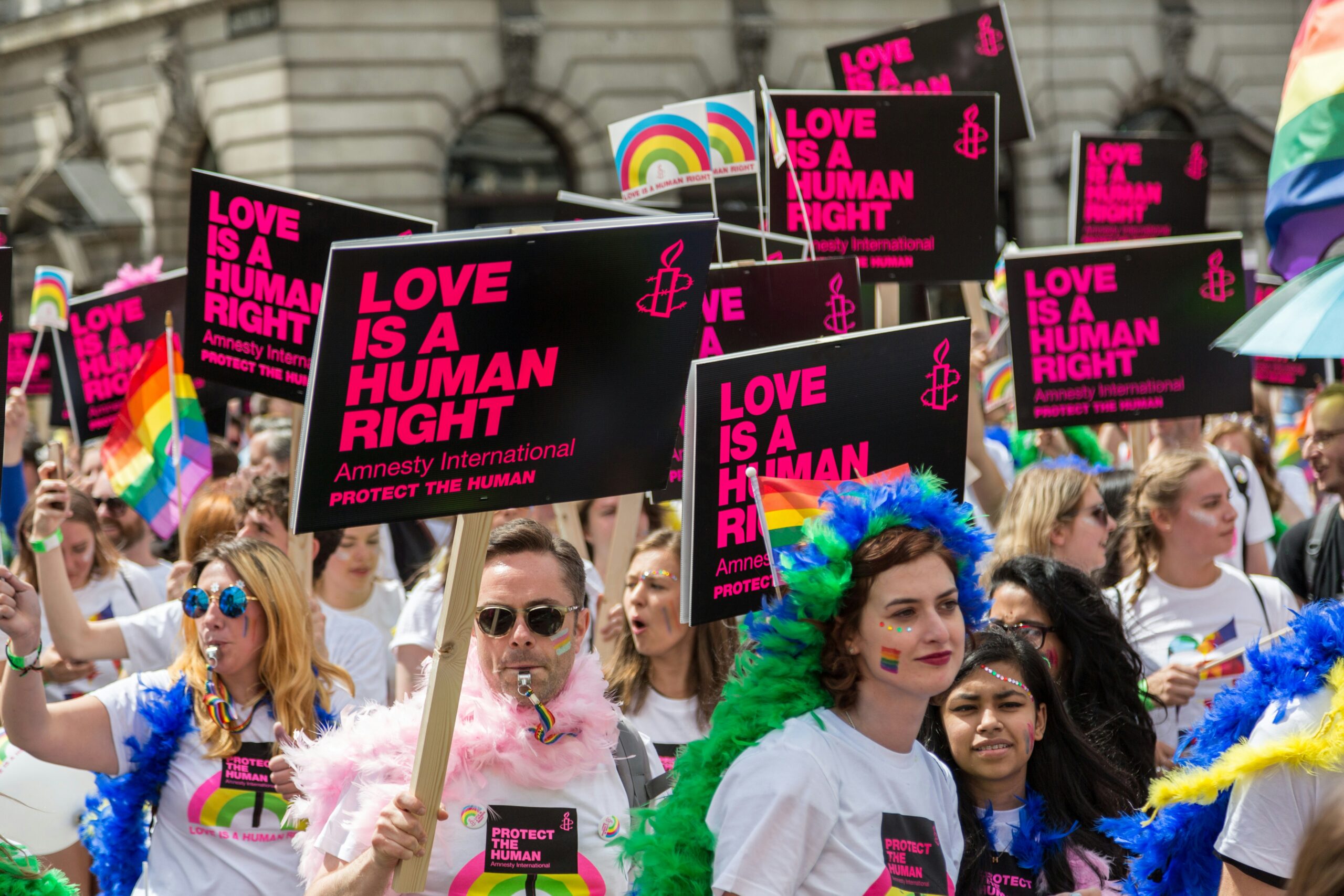
The foundation of LGBTQ+ mental health support is crumbling. This past summer, the current administration decided to remove “Option 3” from the 988 Suicide Hotline, which was specifically for LGBTQ+ people in crisis. The elimination of this option puts already vulnerable LGBTQ+ youth and adults at serious risk. 

Launched in 2022 with bipartisan support, the 988 Hotline was designed to save lives by expanding access to mental health crisis services. However, by neglecting the importance of LGBTQ+ specific support, the administration has effectively decided that some lives are not worth targeted resources.  

The administration justified the removal by claiming the specialized services were “too expensive.” They stated that unifying services would be a better, more cost efficient option. Yet this reasoning ignores the complexities of LGBTQ+ mental health and experiences. 

Before its removal, “Option 3” connected LGBTQ+ individuals to a trained professional in LGBTQ+ mental health support. These professionals were experts in handling substance abuse, bullying, relationship troubles, and suicidal thoughts. Tailored care is essential because LGBTQ+ experiences often differ from heterosexual and cisgender peers. Removing this option strips away affirming, knowledgeable support, leaving queer callers feeling isolated. 

LGBTQ+ people are four times more likely than their peers to attempt suicide. This is driven by the impacts of internal struggles with one’s sexuality and the external societal rejection of queer people. Since the creation of the 988 suicide hotline, 1.3 million individuals have used the LGBTQ+ services, making it apparent that these resources have been utilized and are vital. 

Some states have taken steps to still prioritize queer mental health. California has been using experts from The Trevor Project to train their 988 Hotline workers. This pivot allows crisis workers to still have some specialization in queer mental health, despite the destruction of the specialized network. However, not all states have followed suit. Unlike California, Texas lawmakers have not committed to any additional efforts, neglecting support for LGBTQ+ individuals. This uneven response creates dangerous gaps in support across the country.

The removal of “Option 3” harms LGBTQ+ people in crisis, but also impacts the suicide hotline as a whole. Without the ability to route LGBTQ+ individuals to trained specialists, general crisis workers must handle a higher volume of complex calls they are not trained to handle. The increased calls will reduce the availability and efficiency of the crisis workers as a whole. 

Access to affirming, specialized mental health care saves lives. For LGBTQ+ mental health support, use The Trevor Project hotline at 866-488-7386, the LGBT National Hotline at 888-843-4564, or the Trans Lifeline at 877-565-8860. 

Shortage of Midwives Globally Increases Health Risks for Pregnant People

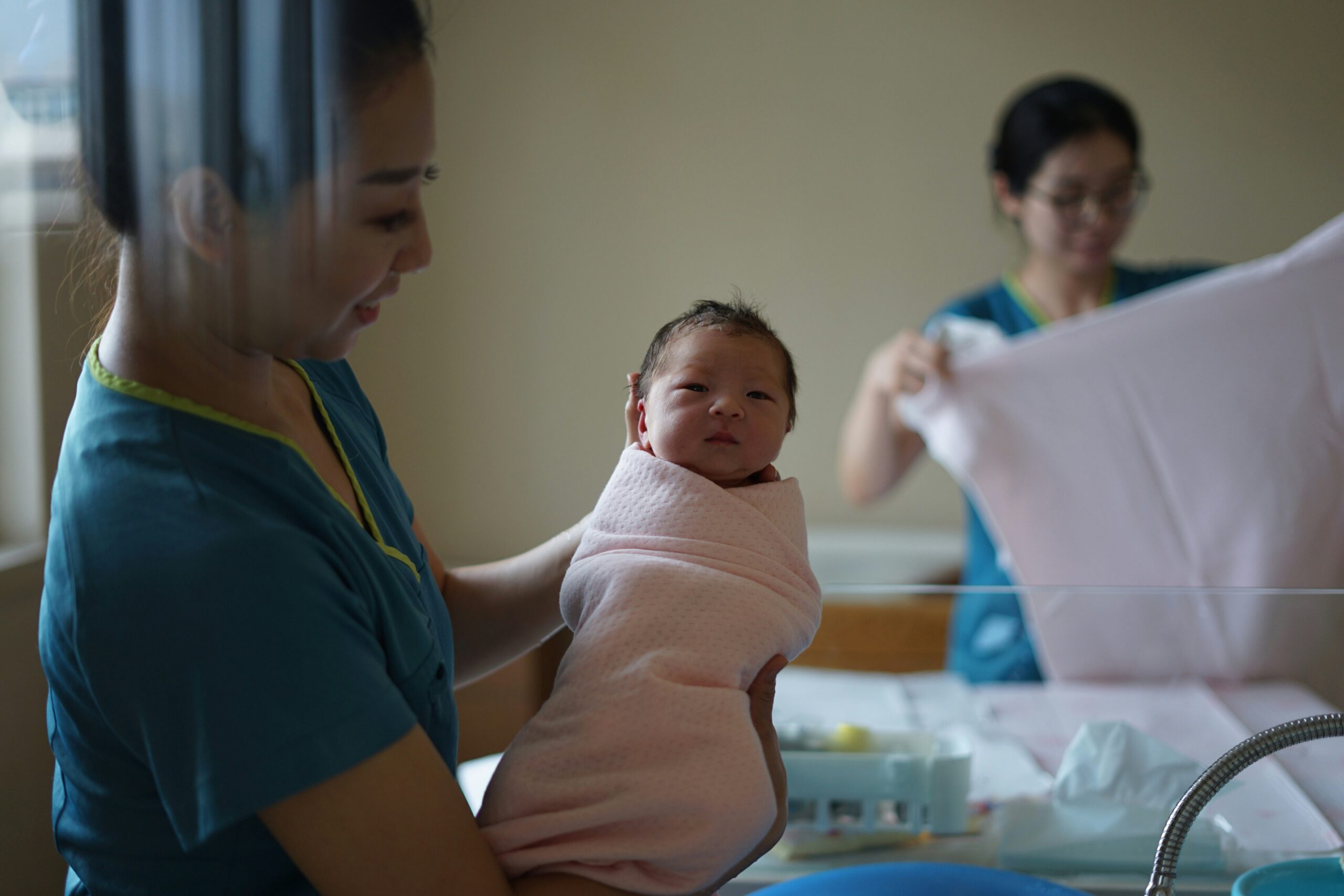
Around the world, there is a shortage of nearly one million midwives. The midwife shortage is not just a workforce issue, it is a human rights and safety issue. Mothers, pregnant people, and babies are experiencing deaths at alarmingly high rates due to improper labor care. 

A midwife is a trained healthcare provider that specializes in obstetric and gynecological services. “Midwife” is really an umbrella term used to describe different kinds of birth professionals that assist with labor either in hospitals or home births. Midwives are incredibly important for all stages of reproductive health, assisting during pregnancy, birth, and during the postpartum period.  

The shortage of midwives is creating serious gaps in reproductive care. As healthcare systems become stretched beyond their capacity, the remaining midwives are overworked and underpaid. The lack of resources results in rushed and fragmented care for pregnant people and a greater risk of birthing casualties. Access to midwife-delivered care could prevent two-thirds of labor deaths, saving 4.3 million newborns and birthing people annually. 

Historically, midwifery has been a gendered profession, with women dominating the field due to the “care” and “nurture” work. Removing the gendered stigma behind midwifery is crucial for filling the profession. 

The deficiency of midwives is affecting the pregnant community as a whole, but impacting rural and low-income families the hardest. Working with a midwife is typically a more affordable option for lower income families. Having a midwife come to the home is a more viable option for families that would otherwise have to travel far to a hospital. Removing the ability to choose the best option for labor creates barriers for families who do not have the privilege to afford traditional hospital settings. 

To fully fix the shortage of midwives, there needs to be an additional 980,000 midwives across 181 countries. To reach this goal, there needs to be an increase of respect and effort towards midwives and their practice. Governments need to prioritize funding midwifery to replenish the profession in addition to society removing gendered stigma to the career. These actions will put the health of mothers, pregnant people, and newborns first, reducing labor risks globally. 

Bogota Implements Care Blocks: A Monumental Shift Away from Unpaid Labor

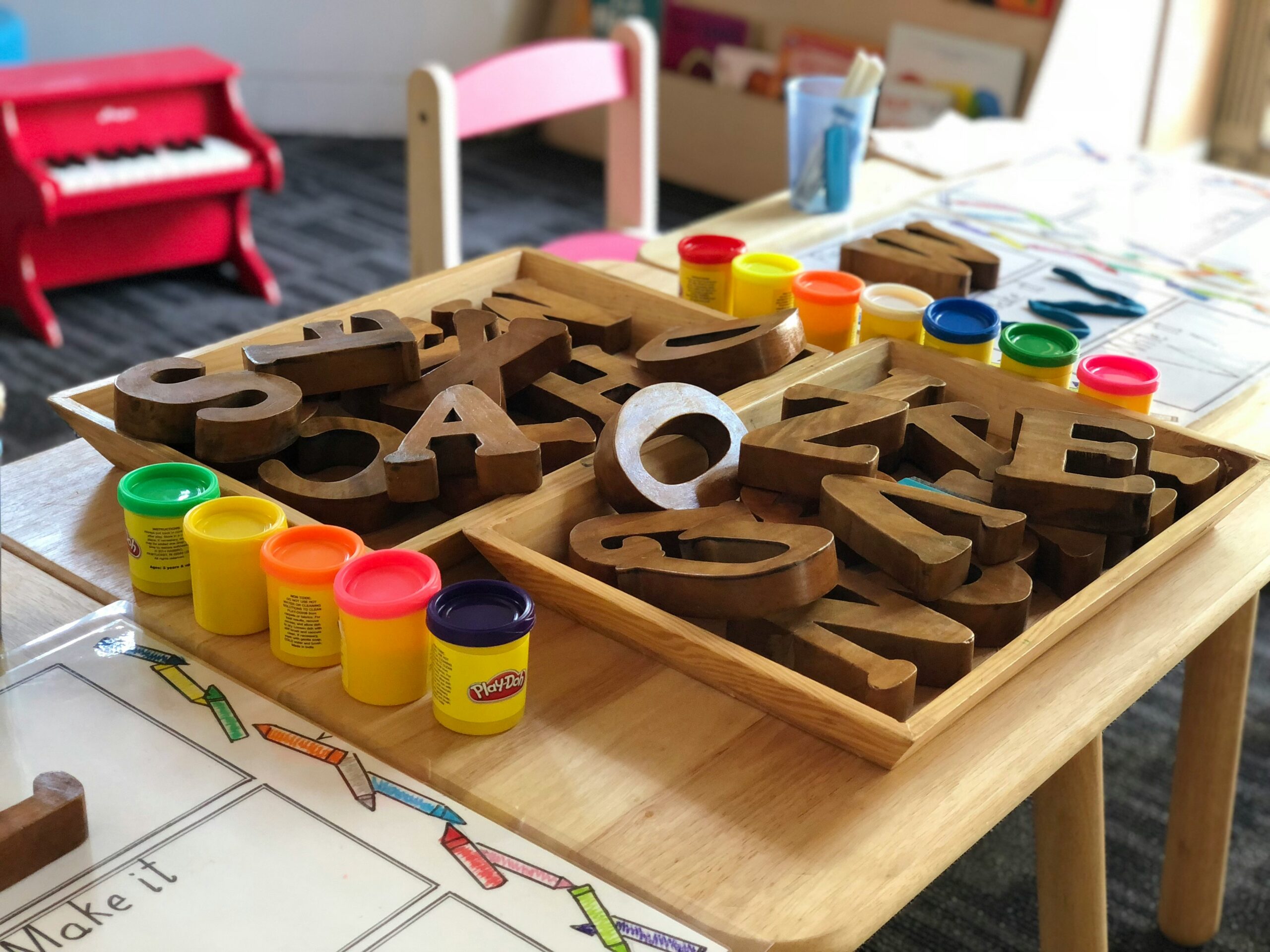
Bogota, Columbia has been making historic strides towards gender equity by investing in government-provided care labor through programs known as “care blocks.” These “care blocks” provide an opportunity for women to drop off their children to create more free time. With this free time, mothers have an opportunity to run errands, meet with different consultants, relax while catching up with friends, or even finish school. 

This initiative is pivotal; it tackles the systematic issue of unpaid care labor that disproportionately gets placed onto women. Unpaid care work is the invisible, yet necessary, work that keeps households and families running. Gendered social norms reinforce the expectation that domestic care labor be completed by women. 

Around the world, women and girls complete 16 billion hours of unpaid care work every day. Since women have more unpaid responsibilities, this results in less time for opportunities outside the household, which is commonly known as “time poverty.” After becoming a mother, the lack of time affects two very important areas in an individual’s life: mental wellness and professional development. 

Care blocks allow women to take a step back from the stress of motherhood and care for their mental health.​​ Studies show that mothers without a strong support system are more likely to experience depression, burnout, and overall reduced mental health. 

Addressing the “time poverty” that mothers face is crucial for gender equity professionally. After having children, women are less likely to continue education or make professional advancements in their career due to childcare restrictions and household responsibility. This often leaves women stuck in the same professional position once becoming a mother. Implementing care blocks allows mothers to advance their education, giving them better opportunities in the professional world. 

The professional effects of care blocks can be seen immediately for women across the city. Bogota has a citywide graduation for individuals who complete month-long trainings in specialized career topics. During the graduation, rows fill with mothers and female caregivers. 

Bogota’s initiatives demonstrate that women should not be expected to halt their individual and intellectual development once having children. Instead, governments should provide alternative resources, like care blocks, to ensure gender equity of all opportunities.   

Behind this initiative is Claudia Lopez, the first queer woman mayor of Bogota. Care blocks were one of the main focuses of her administration, in hopes to shift and redistribute the burden of unpaid care labor into a paid system. 

Lopez spearheading this initiative demonstrates the importance of women in political office. When women hold political office, they are more likely to prioritize and directly address care needs through solutions grounded in lived experience. 

To have real gender equity, society needs to tackle deep-rooted gender constructs that allow unpaid labor to fall onto women. Following Bogota’s lead, implementing care blocks can be monumental for women around the world. 

>