Elon Musk’s Grok AI and the Rise of Nonconsensual Sexual Abuse

Elon Musk’s Grok AI is being used to create nonconsensual explicit photos and videos of women and children. These range from photos of people in revealing garments to extremely graphic and violent pornographic material. 

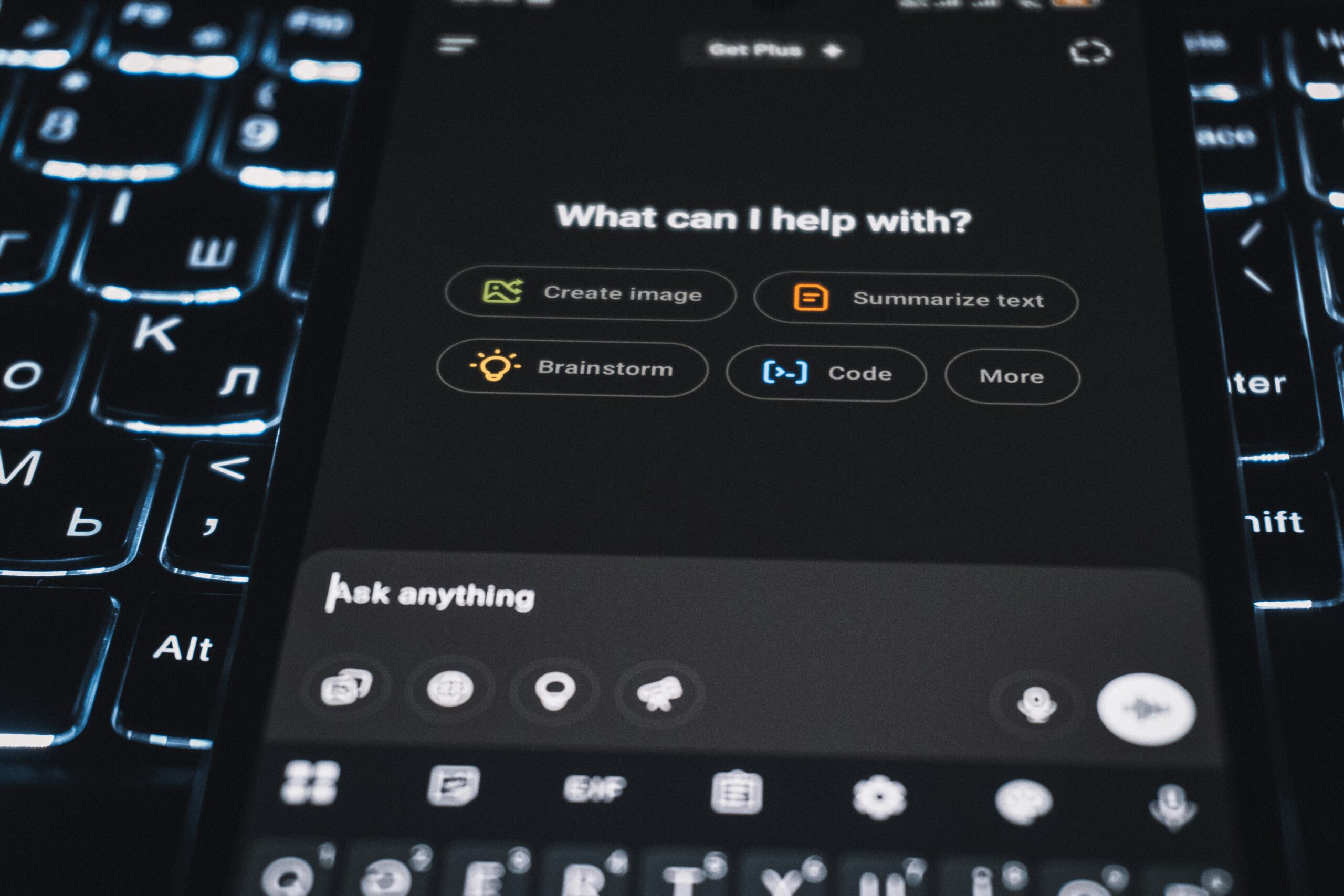
Grok AI is “an AI assistant with a twist of humor and a dash of rebellion.” It can be used on X (formerly Twitter) where users can ask questions, generate photos, and perform other tasks—all of which can be publicly posted. Additionally, when Grok is used on its own website or app, it can be used to generate videos and even interact with sexually explicit chatbot companions. 

In responding to requests on X, Grok has been manipulating photos of women and children to generate images of them in bikinis, lingerie, remove their clothes, or even pose them in suggestive ways. Ashley St. Clair, the mother of one of Musk’s children, said that Grok has undressed photos of her as a child. On Grok’s standalone website and app, users are using the AI to generate hardcore pornography. These photorealistic videos include women covered in blood, engaging in violent sexual acts, and even child sexual abuse material. 

Musk has said his company will take action “against illegal content on X, including Child Sexual Abuse Material (CSAM), by removing it, permanently suspending accounts, and working with local governments and law enforcement as necessary.” 

The Grok account on X now limits requests for AI images to subscribers who pay for premium features, but users can subscribe or switch to Grok’s individual site for the limited functions on X. This means that Grok users are still able to create sexually explicit content by directly interacting with the chatbot and are able to share those by posting the image on X or sharing an URL. 

Adding a payment feature does not stop nonconsensual content or deepfakes from being created and therefore does not solve the problem. Last year, when Grok praised Hitler, xAI temporarily disabled the chatbot. This is a solution that could easily be applied to nonconsensual content, yet is not. 

In order to protect women, there needs to be stronger regulation and accountability surrounding AI. This issue is not just about “bad users,” there should not be technology readily available that can be misused to create abusive, explicit, and degrading imagery without consent. Just because the content being created is fake, does not mean there isn’t harm. As with any form of sexual abuse, it can cause fear, shame, withdrawal, and self-censorship.

This can not be treated as a tech controversy, because the issue’s foundation is rooted in the absence of consent. Technology should never subject women to this type of harm. AI-based abuse is simply becoming another mechanism through which women are silenced, humiliated, and pushed out of public spaces. 

Wyoming Court Delivers Major Victory for Abortion Access

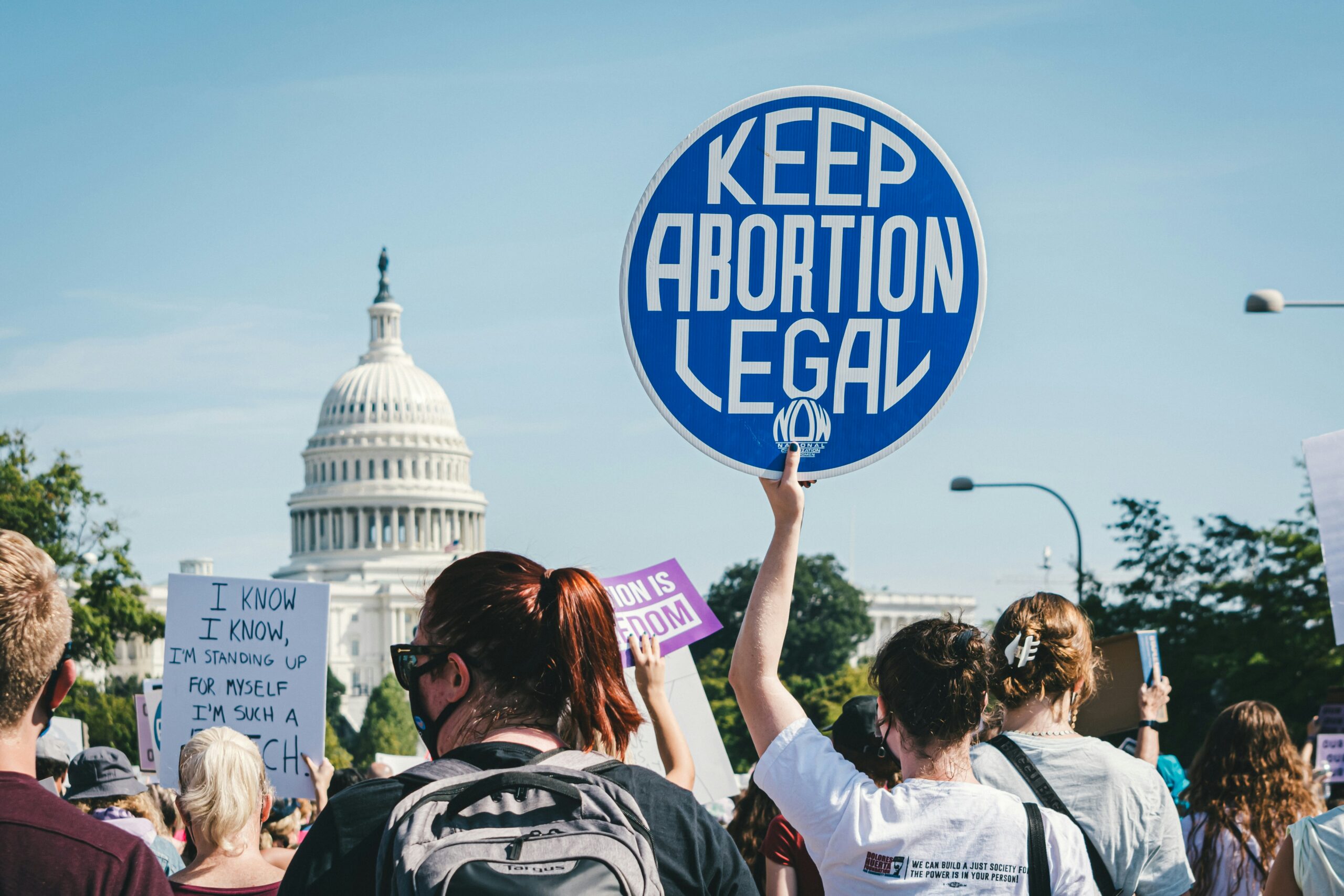
As of January 6, abortion remains legal in Wyoming after the Wyoming Supreme Court struck down two state laws aimed at banning abortion in State v. Johnson. One of the overturned laws sought to ban abortion except to save a pregnant woman’s life or in cases involving rape or incest. The other would have been the country’s first explicit ban on abortion pills. 

In a political landscape where reproductive rights are increasingly uncertain, this decision stands as a clear affirmation of bodily autonomy and a meaningful win for women’s rights. It ensures that women in Wyoming can continue accessing both procedural and medication abortions without being forced to travel out of state for care.  

The abortion and abortion pill laws, which were struck down, were originally enacted in March, 2023, and then struck down by the Teton County District Court soon after. The district court ruled that the laws conflicted with a 2012 voter referendum to the state’s constitution which states “each competent adult shall have the right to make his or her own health care decisions.”

The Wyoming Supreme Court used the same reasoning in its decision this week. The justices decision sided 4-1 with Wellspring Health Access, which is the state’s only abortion clinic, an abortion advocacy group, and four women who argued for the bans to be struck down. 

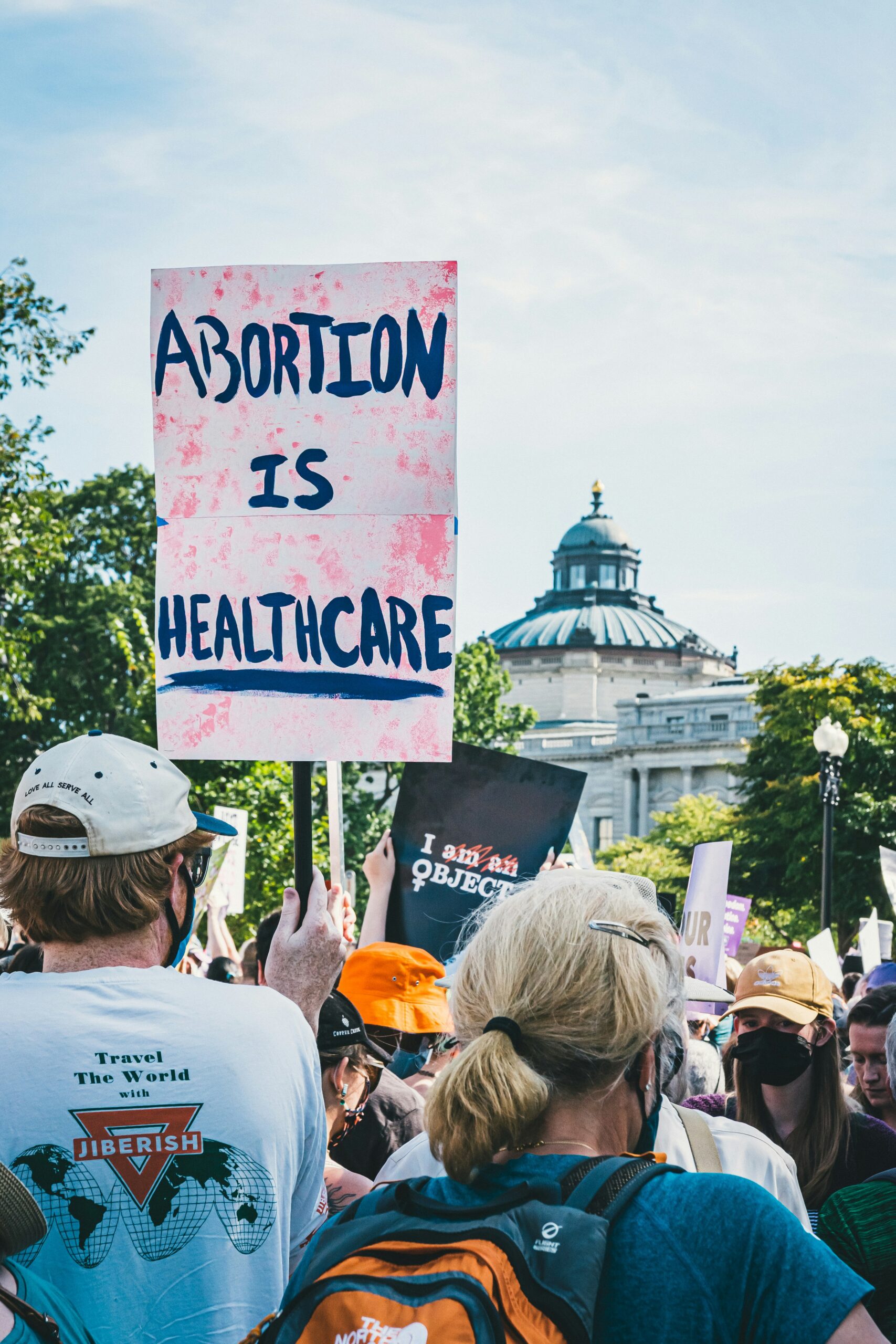
On the other side, attorneys for the State of Wyoming argued that abortion is not health care and therefore can not violate the Wyoming constitution, an argument the court rejected. In doing so, the court pushed back against a long-standing effort to exclude women’s reproductive needs from definitions of healthcare. 

This ruling highlights the power of states in shaping abortion access in the aftermath of the Dobbs decision, overturning Roe v. Wade. While federal protections no longer exist, state courts can still safeguard reproductive rights, even in politically conservative leaning states such as Wyoming. Legal pathways to protecting women’s autonomy still remain. 

Still, the ruling does not guarantee long-term protection for abortion access in Wyoming. In their decision, the justices acknowledge that the amendment they relied on was not originally written with abortion in mind, noting though that they “would not add words to the constitution.” This leaves open the opportunity for Wyoming to enshrine abortion rights into their state constitution. 

Already, Wyoming Governor Mark Gordon has called on state lawmakers to meet and pass an amendment banning abortion that would go to voters in the fall. While the amendment would require a two-thirds vote to be introduced, it is likely to have wide support in such a Republican dominated government.

For now, the Wyoming Supreme Court’s decision is a significant and hard-won victory for reproductive rights. At a moment when abortion access is disappearing across much of the country, this ruling shows that legal protections are still possible. While future challenges remain, this decision marks an important step forward and a reminder that progress is worth fighting for.

>