Note: This article contains discussions of rape and sexual assault. If you or someone you have experienced sexual violence, help is available 24/7. Contact the National Sexual Assault Hotline or call 1-800-656-4673.
On the night of October 19, 2024, a 20-year old Cornell University undergraduate student, identified as Jane Doe in court filings and media reports, went to the Chi Phi Fraternity house believing she was going to meet a friend. In a civil lawsuit filed in September 2026, Doe alleges that she was drugged and sexually assaulted by seven men over the course of several hours.
These are who the media have coined the ‘Cornell 7’: Matthew Ingalls, Jonathan Newell, Winston Lee, Gillio Lopes, Diego Sarabia, Scott Norris, and Scott Kretzschmar. The men have been accused of sexually assaulting Jane Doe, but they have not been criminally charged in connection with the allegations.
According to screenshots and video of the Snapchat group chat, named “Chi Phi Actives, obtained by CBS News, Newell described Jane Doe as ‘free p*ssy,’ while Ingalls wrote, ‘you can walk in and whip it out.’ Later, another fraternity brother asked whether the “shop” was still open, when referring to Jane Doe, and received an affirmative response.
The group chat reportedly included roughly 50 other members. No messages in the screenshots obtained by CBS show anyone in the group chat intervening, normalizing the behavior. The group chat raises broader questions about the conduct of the 50 men who received messages about Jane Doe that night—not just the seven men named as defendants.
Jane Doe reported the incident to the Cornell Police Department on November 8th, 2024. Cornell subsequently suspended the Xi chapter of the Chi Phi fraternity, and the seven defendants while internal university investigations ensued.
Jane Doe’s attorney, Thomas Giuffra, has said that investigators from the Tompkins County District Attorney’s Office had little contact with her and that she was not interviewed by investigators trained to work with rape survivors. Ultimately, the case was closed due to ‘insufficient evidence,’ without a single criminal charge being filed.
Instead, as Giuffra told CBS News, of the seven men that were accused, only two were expelled, while others received lesser sanctions including suspensions, workshops, or essays.
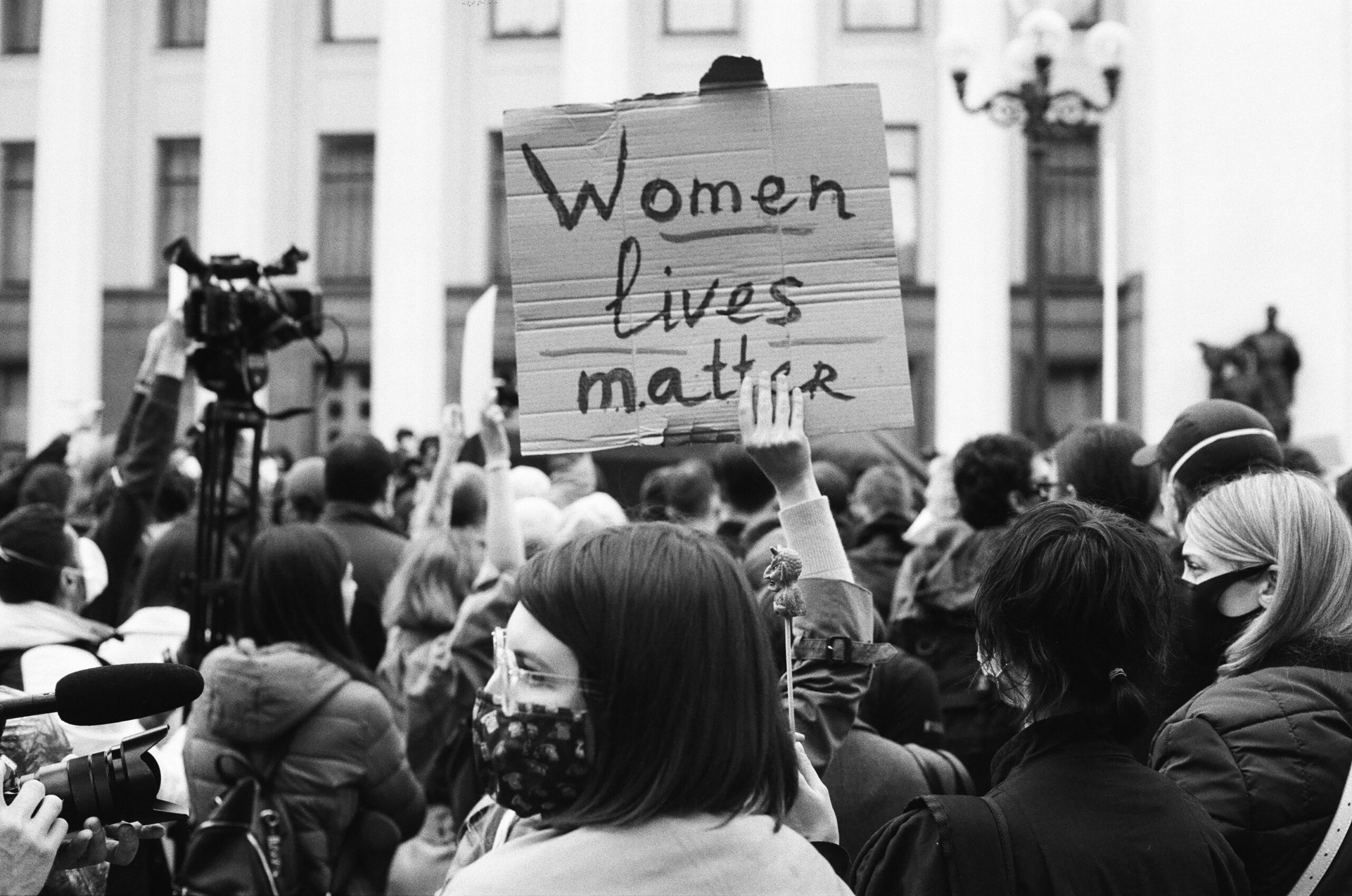
These allegations of sexual violence and institutional failures are not simply a result of 7 men, or even 57 men. This is a result of an established system of power designed to prioritize the wants and needs of men at the expense of women’s livelihood.
This phenomenon has been described as institutional betrayal. In her book, On the Wrong Side: How Universities Protect Perpetrators and Betray Survivors of Sexual Violence, researcher Nicole Bedera examines how institutions can create additional harm when they fail to respond appropriately to sexual violence. Researchers have similarly documented the psychological consequences of institutional betrayal among survivors of sexual violence.
The Cornell case is not the first time a university’s response to sexual assault has faced national scrutiny.
In 2014, student Emma Sulkowicz from Columbia University carried a mattress around campus to protest the university’s handling of her allegation of sexual assault and in 2015, Chanel Miller was sexually assaulted on Stanford’s campus, with her assaulter only serving three months in prison before being released for good behavior. Over a decade later, little has changed.
Universities have a responsibility to investigate allegations of sexual violence and provide survivors with meaningful avenues for reporting and support. When institutions fail to do so, survivors can be left navigating both the consequences of the assault and the consequences of the institution’s response.
The Cornell case has brought those questions back into public view. On September 14, 2026, Jane Doe filed a 101-page civil lawsuit against Cornell University, the Chi Phi fraternity organization, and the seven defendants. The lawsuit accuses Cornell of failing to adequately protect her and of mishandling its response to the allegations. The defendants have the opportunity to respond to the allegations in court.
The lawsuit and public outrage has prompted District Attorney Matthew van Houten to reopen the case. But it should not take this much pressure to secure justice. Accountability must extend beyond the individual perpetrators to the system and cultures that allow sexual violence to go unaddressed.