The Trump administration has announced plans to roll back more than three dozen gun regulations implemented during the Biden administration. The White House says the changes are intended to modernize federal gun policy, reduce burdens on law-abiding gun owners and businesses, and reaffirm that “the Second Amendment is not a second-class right.”
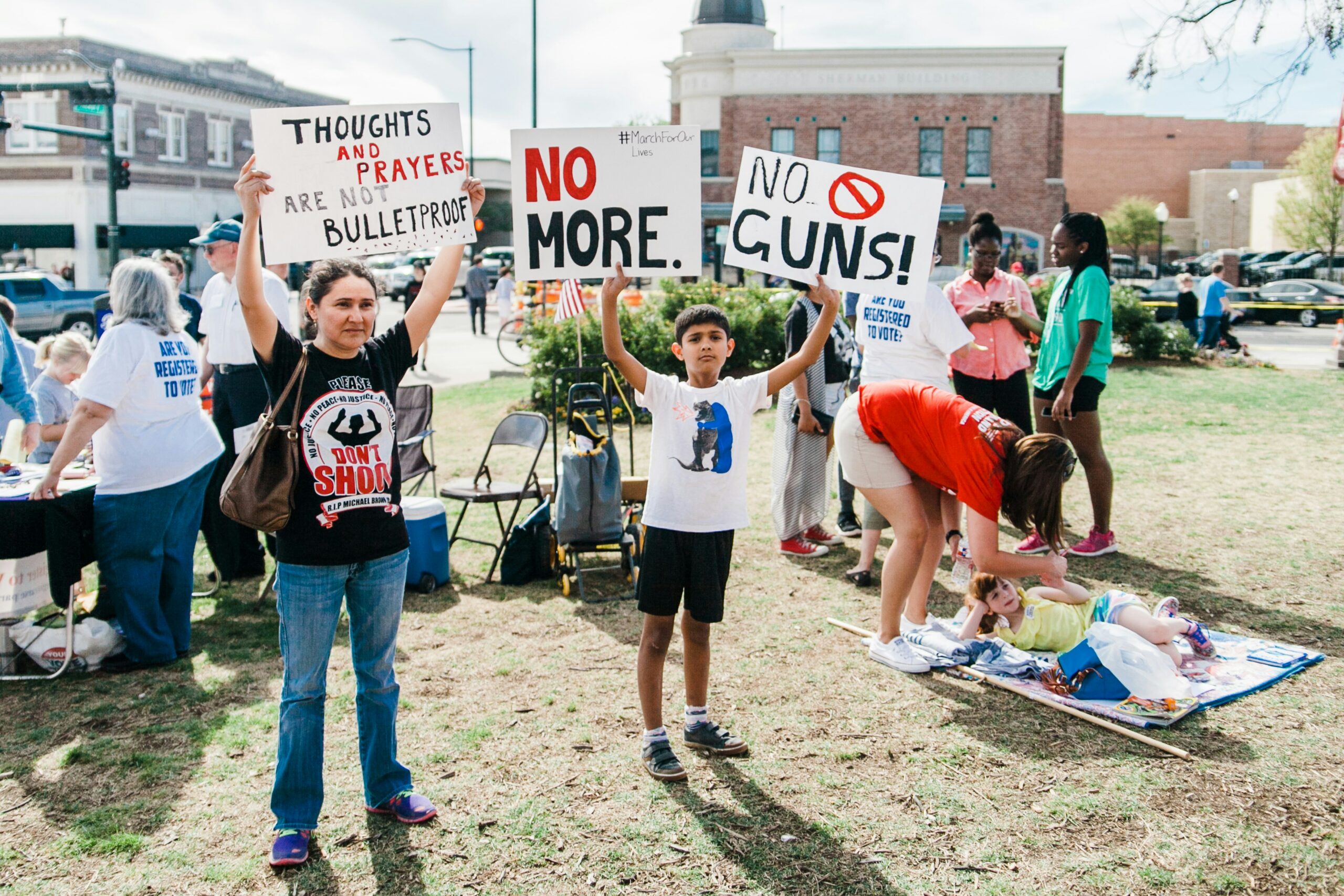
Critics argue that weakening gun safety regulations will increase the risk of gun violence and make communities less safe. They contend that the administration’s emphasis on reducing regulatory burdens comes at the expense of public safety.
Many of the proposed rollbacks eliminate safeguards designed to keep firearms out of the hands of people who are legally prohibited from possessing them. Under the changes, some firearms could be sold online and shipped directly to buyers with minimal to no human interaction.
Gun violence prevention organizations including Brady, Everytown, and Giffords, have criticized the proposal, calling it “The Amazon of guns.” They argue the changes reduce opportunities to identify dangerous purchasers before firearms are transferred.
Several of the regulations targeted for repeal were adopted in response to high-profile mass shootings. According to The Trace reporter Chip Brownlee, the administration plans to roll back restrictions on short-barreled rifles and bump stocks, devices used during the 2017 Las Vegas mass shooting. Rolling back these regulations could increase the risk of future mass casualty events.
The proposal would also weaken certain background check requirements, loosen restrictions on certain highly lethal firearms, and allow the destruction of gun sale records that law enforcement agencies use to investigate crimes.
Another proposed change has drawn concern from mental health and gun safety advocates. While federal law continues to prohibit firearm ownership for people who have been involuntarily committed to a mental institution, critics say the new rules would expand firearm access for some individuals with a history of mental illness, including those who voluntarily sought inpatient treatment.
Although these proposals represent only some of the administration’s planned changes, gun reform organizations argue that together they significantly weaken existing public safety protections. Brady noted that one proposed rule itself acknowledges the potential for “mass casualty events,” highlighting the risks that accompany the rollbacks.
The proposed changes reflect the Trump administration’s broader approach to gun policy, prioritizing Second Amendment protections while reducing federal firearm regulations. As these proposals move forward, the debate over balancing gun rights and public safety is likely to intensify.