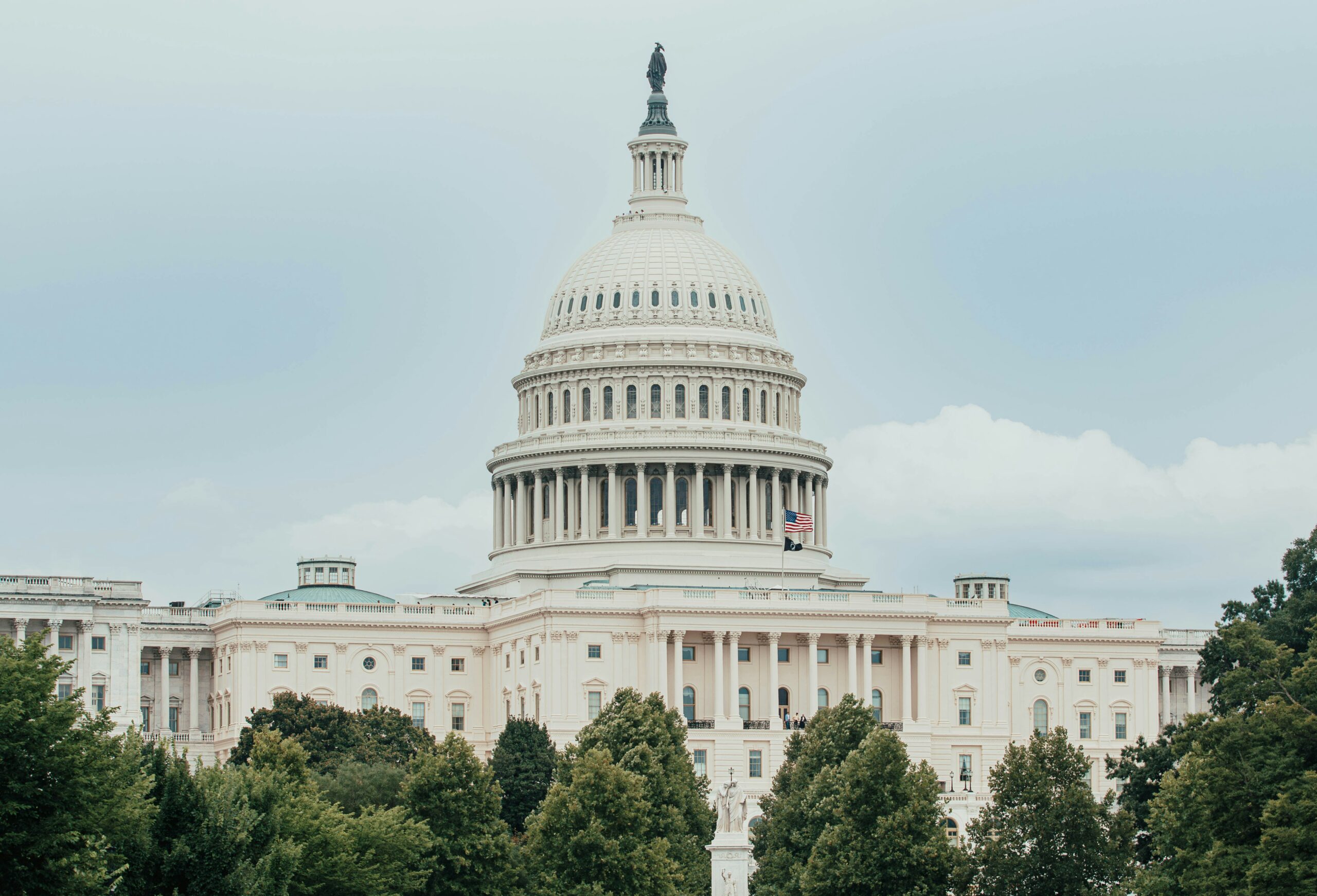
On February 10, 2026, Senate Democratic Leader Chuck Schumer (D-NY) and Chair of the House Democratic Women’s Caucus, Representative Teresa Leger Fernández (D-NM), introduced Virginia’s Law, which would effectively require the federal government to remove the statute of limitations on sex abuse and trafficking survivors’ right to sue. The introduction comes in the wake of the Epstein files being released, when many survivors, including the family of Virginia Giuffre, joined congressional leaders to speak out. The bill was named after Virginia Giuffre, one of the first survivors to speak out against Jeffrey Epstein.
The current federal statute of limitations for sexual abuse and trafficking cases is 10 years. Still, this time limit fails to consider how such abuse affects survivors and how 10-year limits their time to have a safe opportunity to come forward. Representative Leger Fernández affirmed that “time should never be a weapon in an abuser’s arsenal,” noting that abusers can continue to use a survivor’s fear of speaking and the federal limit to protect them from such egregious injustices. Yet as the Senate Minority Leader stated, justice should not expire, and now more than ever, it is time to act to finally allow survivors their day in court when they are ready to do so.
In a time when less than 5% of assault crimes are reported, some of the biggest reasons for not coming forward are shame, fear of getting in trouble, fear of disbelief from law enforcement, and substance use at the time of the assault. Additionally, when these crimes are reported, survivors face an additional barrier when law enforcement takes survivors’ truths as false or baseless and, therefore, codifies the abuse as “unfounded.” These very same dismissals and realities are why abusers like Jeffrey Epstein were able to evade punishment.
Minority Leader Chuck Schumer shared that “No survivor should ever be told again that the law failed them, and that time mattered more than truth.” Survivors have suffered too long under a system that encourages and protects their abusers. Every nine minutes in the U.S., a child is sexually assaulted and has to suffer the same federal limitation if they wait until adulthood to speak out. As a survivor, Laura Mullen shared at the press conference, “I was a child, a child who didn’t know any better.” In such cases, many young survivors never even get the opportunity to hold their abusers accountable or seek the justice they deserve. Instead, they are taught to hide, which is like a “dark secret.”
The federal government and society at large have been conditioned to accept “silence as the end of the story.” Yet Virginia’s Law gives voice to survivors’ lived realities, truths, and resilience. Too long have abusers lived Scott-free. Now is the time to listen. It is time for survivors’ truths to be heard.