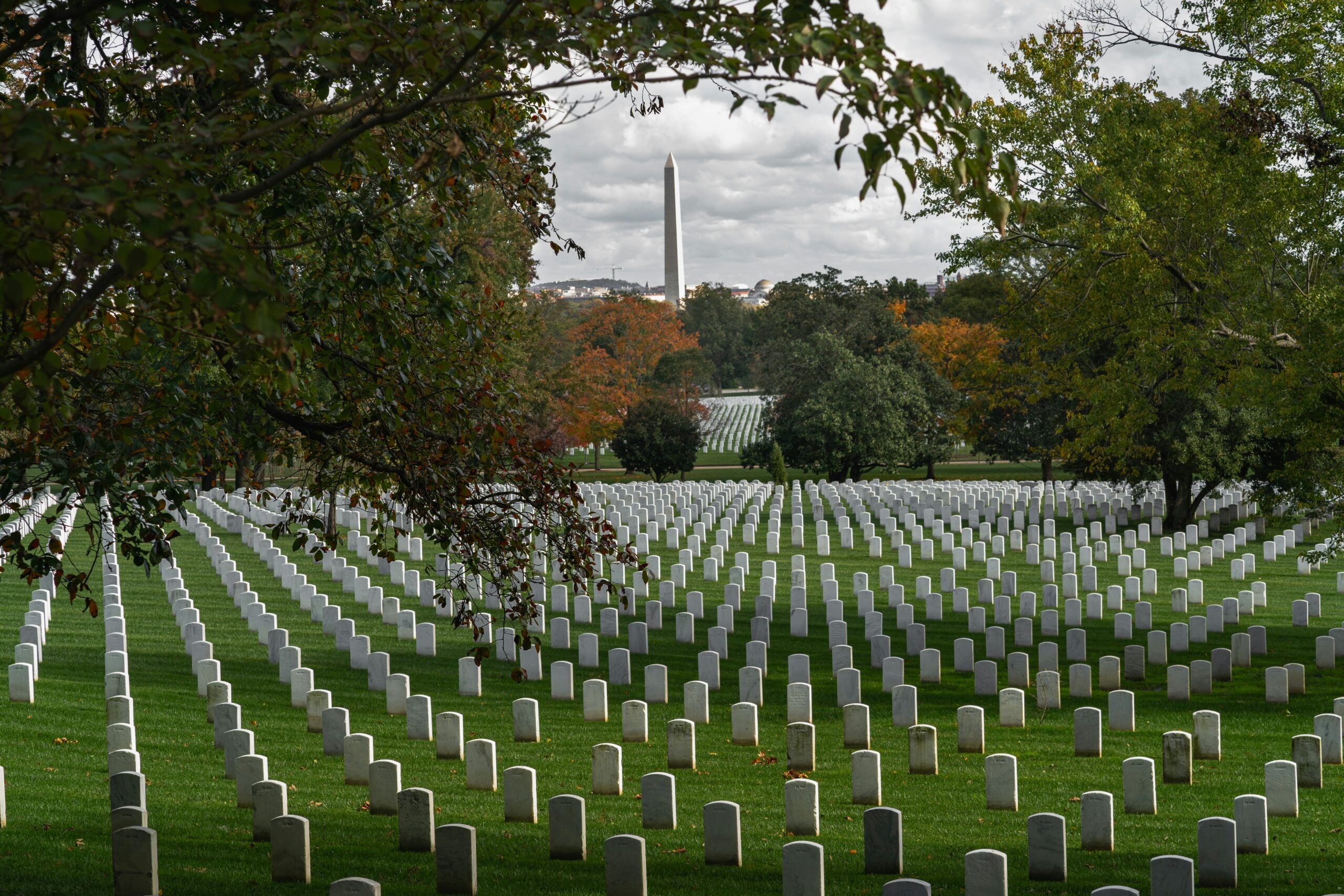
This year’s annual Women in Military Service Wreath- Laying Ceremony at Arlington National Cemetery looked different than in the past years. The event, hosted by the Bipartisan Women’s Caucus for 28 years, was canceled after several military branches declined to participate.
According to multiple officials, the decision stemmed from President Trump’s Executive Order 14185, which seeks to eliminate Diversity, Equity, and Inclusion (DEI) programs across the federal government. Secretary of Defense Pete Hegseth reinforced the policy by issuing guidance titled “Identity Months Dead at DoD,” prohibiting the DoD and military branches from using official resources to host celebrations recognizing race, gender, or other identity groups.
In response, the Democratic Women’s Caucus (DWC), led by Vice Chair Rep. Emilia Sykes (OH-13), organized its own event to honor women veterans.
On June 10, 2026, members of the DWC gathered on Capitol Hill for a joint press conference recognizing the service and sacrifice of women in the military, paying tribute to both fallen servicewomen and living veterans.
Sykes criticized the administration’s decision, saying, “at a time when veterans should be celebrated, the Trump-Hegseth Pentagon is sidelining them.” She also pledged that the DWC would continue working to recognize and support women who have served.
Representative Chrissy Houlahan (PA-06) echoed those concerns, asking, “When did saying ‘thank you’ to women who have served become controversial?” She added, “ Honoring our service members should never be viewed as a political statement. Gratitude does not require an executive order or permission from political appointees in Washington.”
The debate also highlights a broader issue facing women veterans. Air Force veteran Amanda Huffman has written about her opinions regarding Women Veterans Day, that women who served are often mistaken for military spouses rather than veterans themselves. This causes many women to miss out on the recognition, benefits, and services they have earned.
Women have long fought for equal recognition within the armed forces. It wasn’t until the Women’s Armed Service Integration Act of 1948, signed by President Truman, to finally allow women to become official members of the regular and reserve branches of the US Armed forces.
Even then, women faced strict limitations, including a cap of 2% of the total strength for each military branch and having separate lists for promotion opportunities to ensure they did not outrank men in top positions.
Although those barriers have changed over time, women continue to face challenges in receiving full recognition for their military service. As debates over diversity initiatives continue, events like the one organized by the Democratic Women’s Caucus demonstrate ongoing efforts to honor the contributions and sacrifices of women who have served their country.