Australia Solves the Preterm Birth Crisis: The Prevention Program the US Needs to Adopt

Australia’s nationwide preterm birth prevention program is a medical success and one the United States could learn from. A “preterm birth” is defined as a baby born before 37 weeks, and is the single greatest cause of death and long-term disabilities in children under 5. Australia’s new initiative is the first of its kind across the world and has lowered the rate of preterm and early term births by between 7% and 10%, or about 4,000 fewer early births a year.

The Australian Preterm Birth Prevention Alliance marked a turning point in how the country approached maternal health. Instead of treating complications after they happened, the program focused on prevention and education from the start. The approach includes training every healthcare provider to recognize early warning signs and use proven interventions such as progesterone treatment, low-dose aspirin, and cervical screening. These preventive measures were offered for free or at very low cost, removing one of the biggest barriers for women in rural and low-income communities. With steady funding and transparent results, the Alliance made reproductive care accessible to all in Australia. 

Prior to Australia’s preterm birth prevention program, around 8.6% of Australian babies were born preterm, translating to roughly 26,000 births each year. Indigenous and low-income women experienced significantly higher rates of preterm birth compared to non-Indigenous mothers. Between 2016 and 2018, First Nations women had a preterm birth rate of 13.8%, nearly 1.7 times higher than that of non-Indigenous mothers at 8.4%. For many women in rural and remote communities, access to specialized maternal services was inconsistent, leaving them more vulnerable to complications during pregnancy.

Limited staffing in many hospitals also made it difficult to provide consistent and safe prenatal care. In rural areas especially, women often faced shorter checkups or had to schedule births around the hospital’s availability rather than their own health needs. As Professor John Newnham notes, “many women would be delivering days early to suit the hospital schedule.” 

The overall burden of preterm birth remained high among socioeconomically disadvantaged groups which is also a pattern mirrored in the United States, where Black women are about 50% more likely to give birth prematurely. The consistent link between social inequality and preterm birth underscores that reproductive health is not just a medical issue, but a reflection of systemic inequities in access, education, and economic opportunity.

After the preterm birth prevention program went into effect, it immediately had an impact, as shown in the 2025 Lancet study. A notable success was the case of Wendy Andrews who was admitted to the hospital at 31 weeks and six days when her blood pressure spiked. Thanks to the program, her doctors were able to closely monitor her condition and safely delivery at 35 weeks. Her daughter was born weighing 1.9 kilograms, needed no resuscitation, and spent just two weeks in special care. Before the program, a case like Wendy’s might have ended with an emergency premature birth and weeks, if not months, of intensive care. 

Australia’s success in reducing preterm births shows what’s possible when a country treats maternal health as a collective responsibility rather than an individual burden. Through national coordination, steady public funding, and accessible education, Australia shifted its approach from reacting to crises to preventing them altogether. Australia has proven improving maternal health means addressing the social factors that shape it. Reproductive justice is not only about the right to have a choice, but also the right to deliver safely and with support.
Revisiting Obergefell: What’s at Stake for LGBTQ+ Americans

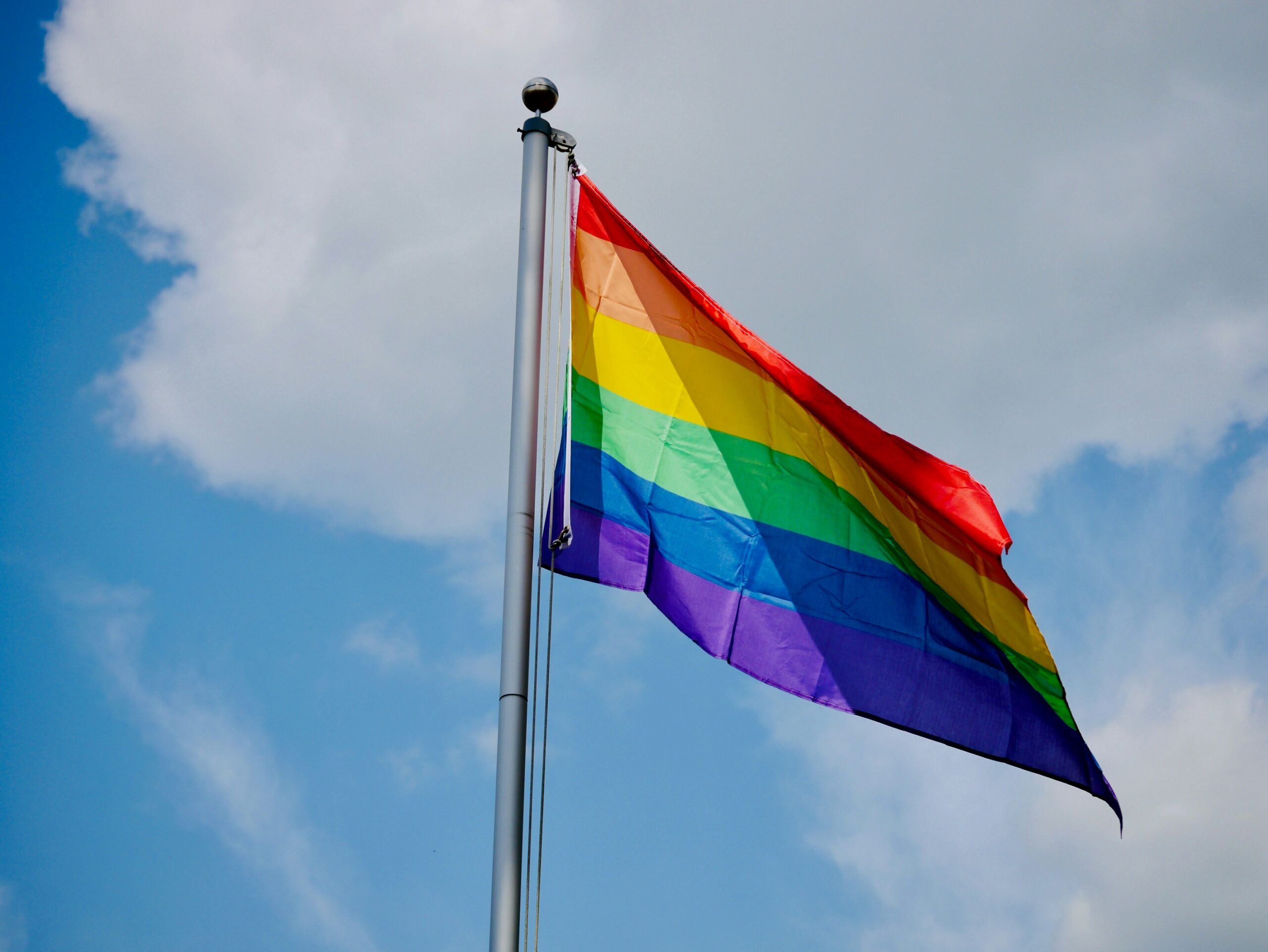
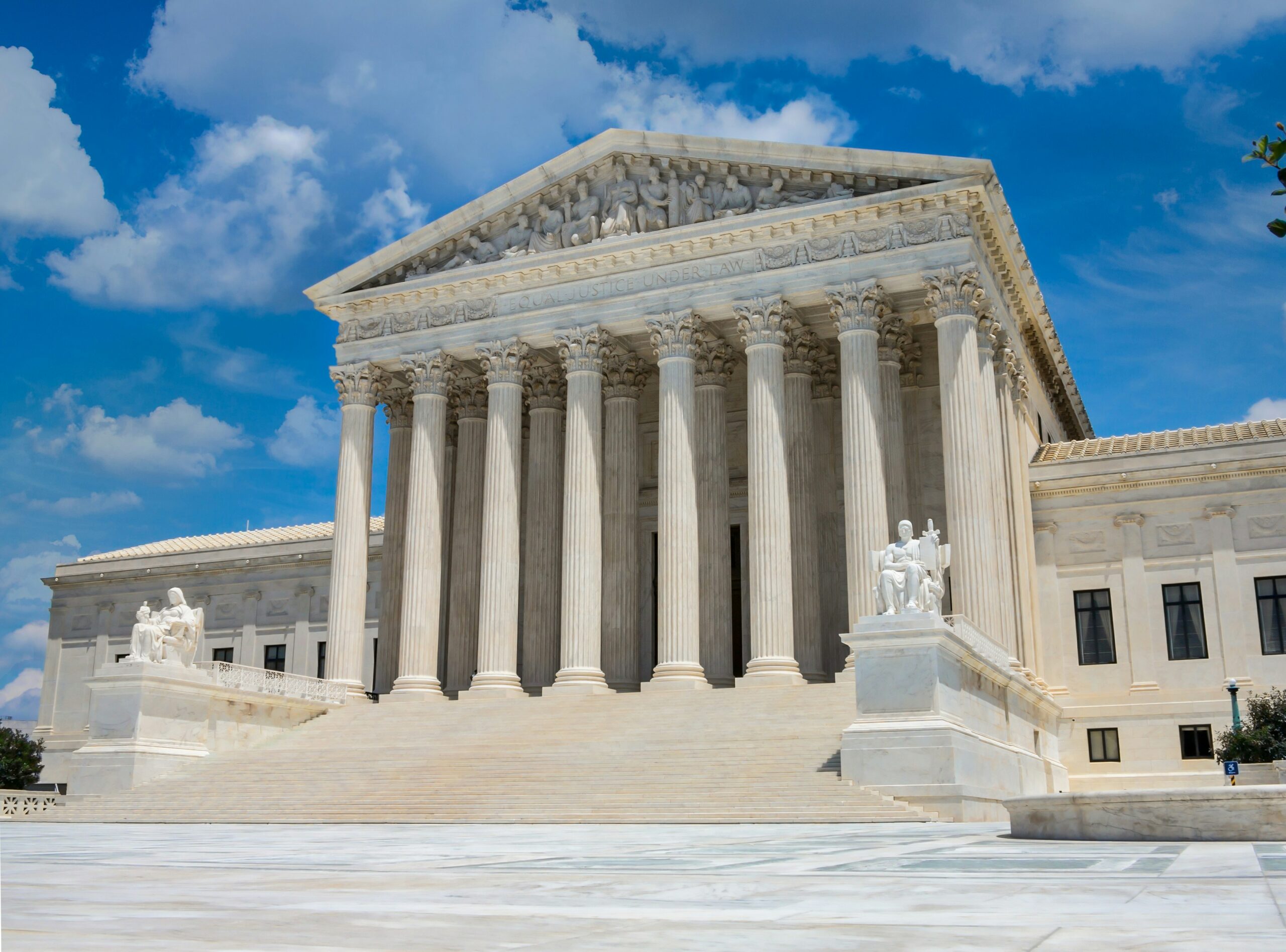
The Supreme Court has set a date to revisit one of the most consequential civil rights rulings of the 21st century: same-sex marriage. The justices have scheduled a private conference on November 7, 2025, to decide whether they will hear a case that directly challenges Obergefell v. Hodges. This was the 2015 decision that legalized same-sex marriage nationwide, under the Fourteenth Amendment’s clauses of due process and equal protection. 

The petition, brought by former Kentucky County Clerk Kim Davis, argues that the ruling violates states’ rights and religious freedom. Her appeal asks the Court to reconsider whether states, and by extension, public officials, can be compelled to uphold laws they believe conflict with their faith. If the Court agrees to take the case, it could reopen the debate over marriage equality and reshape constitutional protections for millions of LGBTQ+ Americans. 

Shortly after the Obergefell decision, Davis refused to issue marriage licenses to same-sex couples. When couples such as David Moore and David Ermold sought licenses in 2015, Davis denied them. This led to a lawsuit under 42 U.S.C. § 1983 for violation of their constitutional right to marry. Despite federal court orders to comply, Davis continued to refuse and was briefly jailed for contempt until her deputies issued the licenses in her absence.

In 2025, the Sixth Circuit reviewed the case’s legal consequences in Ermold v. Davis. The court rejected Davis’s claims of qualified immunity and religious defenses under the Free Exercise Clause and Kentucky’s Religious Freedom Restoration Act. The court also upheld a jury award of $50,000 in compensatory damages to each plaintiff for the emotional distress caused by her refusal. 

Over the past two decades, courts at both the federal and state levels have addressed issues ranging from federal recognition of same-sex marriages to challenges against state bans. In United States v. Windsor (2013), the Supreme Court struck down part of the Defense of Marriage Act, forcing the federal government to recognize same-sex marriages and opening the door to equal federal benefits. 

In 2022, President Biden signed the Respect for Marriage Act into law. This ensures that marriages validly performed in one state must still be recognized in other states and federally, even if the Supreme Court were to revisit aspects of marriage equality. As of now, the law remains in effect, providing a statutory safeguard for marriage equality.

If the Court refuses review, the legal landscape remains stable: same-sex marriages are recognized nationwide, and federal protections like the Respect for Marriage Act continue to guarantee access to Social Security, tax benefits, and health coverage. If the Court takes the case but issues a narrow ruling, it could clarify the scope of religious exemptions for public officials without undermining the broader right to marry.

However, a decision that overrules or narrows existing precedent could create a patchwork of marriage laws across the country. Couples might face uncertainty about whether their marriage is recognized in a given state, affecting access to tax benefits, health insurance, inheritance rights, and Social Security. Routine civil and legal matters, like parental rights, hospital visitation, or spousal decision-making could become complicated, leaving millions of Americans in limbo.

The outcome of Kim Davis’s petition could reaffirm existing protections or reopen long-settled debates over equality and faith. For millions of Americans, this isn’t just a case; it’s about the stability of families, their rights, and the promise of equal treatment under the law.

The Future of Fair Representation: Inside Louisiana v. Callais

Louisiana’s political landscape has long reflected the tension between demographic reality and political representation. Although Black residents make up nearly one-third of the state’s population, their presence in elected office, especially in Congress, has historically fallen short. The current Supreme Court case Louisiana v. Callais challenges how district lines are drawn and whether they silence or empower Black voters. 

At its core, the case poses a fundamental question about democracy: should efforts to correct the effects of racial discrimination in voting be permitted, or do they themselves violate the Constitution? Louisiana v. Calais stands as a pivotal moment in the ongoing fight against the dilution of Black political power and a test to the future of the Voting Rights Act.

This fight is not new. It builds on precedent set by Robinson v. Landry in 2022, part of a long struggle over how the state’s political maps dilute Black voting power. “Voter dilution” happens when district lines are drawn in a way that weakens the ability of a racial group to elect candidates of its choice, even if no one is outright denied the right to vote. Under Section 2 of the Voting Rights Act of 1965, such practices are illegal if they result in minority voters having “less opportunity than others” to participate in the political process. 

In Louisiana, this issue came to a head after the 2022 congressional map created only one majority-Black district out of six, despite Black residents making up about one-third of the state’s population. Black voters challenged that map in Robinson v. Landry, arguing that the configuration unlawfully diluted their votes and violated the Voting Rights Act. A federal court agreed, ordering lawmakers to draw a second majority-Black district to ensure fair representation. 

In response, the state legislature passed Senate Bill 8 in January 2024. The new redistricting plan created a second majority-Black district in Louisiana. But soon after, opponents filed Louisiana v. Callais, claiming the revised map was an unconstitutional racial gerrymander. A three-judge federal panel struck the new map down, ruling that race “predominated” over traditional redistricting criteria such as compactness and community integrity. The dispute quickly escalated to the U.S. Supreme Court, which ordered the case to be reargued and asked both sides to address whether the creation of majority-minority districts might violate the Fourteenth or Fifteenth Amendments.

Opponents argue that the creation of majority-minority districts as a remedy under Section 2 are unconstitutional. This echoes the Court’s 2013 decision in Shelby County v. Holder, which effectively gutted Section 5 of the Voting Rights Act. In her dissent in Shelby, Justice Ruth Bader Ginsburg warned that discarding such protections was like “throwing away your umbrella in a rainstorm because you are not getting wet.” 

Critics of the Callais map claim the state relied too heavily on race when redrawing the lines, arguing that even well-intentioned race-conscious districting amounts to racial gerrymandering. Supporters counter that race was used only to fix an existing injustice, not to engineer political outcomes. 

As the Brennan Center for Justice explains, the case exposes an impossible bind: if states ignore race, they risk violating the Voting Rights Act, but if they consider race to comply with it, they face lawsuits claiming they’ve violated the Constitution. This legal paradox has left states unsure how to place a solution for decades of racially discriminatory redistricting without ultimately revealing how thin the line between equity and neutrality has become.

The stakes of Louisiana v. Callais reach far beyond one state’s map. If the Supreme Court chooses to weaken or reinterpret Section 2 of the Voting Rights Act, or to rule that remedial majority-minority districts are unconstitutional, it would strike at one of the last remaining tools available to challenge racial vote dilution nationwide. 

As The Guardian notes, such a decision could effectively cement underrepresentation for millions of Black, Latino, and Native voters by stripping them of the legal means to demand fair maps. Whether the Court upholds or dismantles Section 2 will determine not only the future of Louisiana’s districts, but also whether the United States continues to recognize the reality of systematic racism and the fight for equal representation. 

At stake are two fundamental issues, whether Louisiana’s map relied too heavily on race in its design, and whether Section 2 of the Voting Rights Act remains constitutional when it requires states to ensure minority voters have an equal opportunity to elect representatives. The Court’s decision could dramatically redefine how racial vote-dilution claims are handled across the country, shaping the future of the Voting Rights Act and minority representation for future generations.

Texas A&M Professor’s Firing Sparks Debate Over Academic Freedom

On September 8th, 2025 Texas State Representative Brian Harrison went on social media to post a viral video of a Texas A&M University student challenging her professor, Melissa McCoul about the legality of her course’s content of her class when discussing gender identity. As a result, Melissa McCoul, a children’s literature teacher, was terminated from Texas A&M and the Dean of College of Arts and Sciences and the head of the English department were both removed from administrative duties. 

In the viral video, the professor is heard mentioning “gender and sexuality” during a class lecture. A student interrupts, questioning whether the material is legal to teach. The student refers to a Trump executive order that recognizes only two fixed sexes and restricts the use of federal funds to “promote gender ideology.” The professor claims that what she is teaching is not illegal and is based on biological nature. She promptly states that if the student is uncomfortable she can leave. The student mentions that she has been documenting her class and had a meeting with the president to make a formal claim after gathering evidence since the summer. 

State Rep. Brian Harrison accused the professor of spreading “DEI and LGBTQ indoctrination,” and demanded Governor Greg Abbott to intervene. After the video went viral, the university’s president Mark Welsh decided to have all 12 colleges’ material audited. 

Criticism of the video has placed Texas A&M against the wall after Rep. Brian Harrison released further previously unpublished audio from a meeting between Welsh and the student who confronted McCoul. Allegedly, in the recording, Welsh defended both the professor and the material being taught. According to NBC News, the student proposed to Welsh that the professor should be dismissed and Welsh responded, “Well, that’s not happening.”

However, as calls to terminate McCoul increased, Welsh succumbed. He removed the dean of College of Arts and Sciences and the English department head from their positions, citing their approval of material that he said violated the official course description.

As of September 19th, Mark Welsh has stepped down after receiving backlash about how he handled the situation. Lt. Governor Dan Patrick made a statement on X saying “His  ambivalence on the issue and his dismissal of the student’s concerns by immediately taking the side of the professor is unacceptable.. Most parents, students, and Aggie alumni expect Texas A&M to reflect the values of our state and our nation as well as A&M’s rich history. If President Welsh will not or cannot reflect those values, then change needs to happen.” 

Welsh resigned Friday morning, wishing the University well without addressing the viral video and its controversies. Students expressed their feelings during his farewell as they cheered Welsh on. Madison Bradshaw, who can even be seen crying, states “I’m really disappointed that his signature isn’t going to be on my diploma when I graduate.” 

Welsh had been known for his generosity and support for the student body. In January, Welsh had been threatened with termination for Gov. Greg Abbott for inviting students eligible for a PhD to a conference that is made to recruit Black, Hispanic, and indigenous students. The university’s school of business rescinded their invites after backlash from Texan officials. 

The nature of the university’s firing of Professor McCoul sparked an uproar from its students, organizations, and faculty. Jonathan Friedman from PEN America stated, “the precipitous firing of this professor on top of the removal of academic leaders makes clear that academic freedom in Texas is under direct attack. This is a dangerous turning point, with higher education being weaponized for political ends rather than being a forum for open and respectful exchange.” 

Welsh released a statement in response to the backlash that “this isn’t about academic freedom; it’s about academic responsibility…This is a place that honors academic freedom and academic responsibility. It’s also a place that unequivocally abides by state and federal law.”

Gov. Greg Abbott posted on X calling for the professor’s dismissal and claimed she had acted “in contrary to Texas law.” Yet it remains unclear what law he was citing, as Texas does not currently have a statute prohibiting the teaching of LGBTQ topics in higher education.

In response, McCoul has decided to appeal her termination and pursue further legal action. McCoul’s attorney, Amanda Reichek, said the university claimed she was terminated for refusing to adjust her course content to match the catalog and course descriptions, despite being told repeatedly to do so. Reichek disputed that account, arguing the material was fully consistent within the guidelines and that McCoul was never directed to make changes. She added that McCoul had successfully taught the course for years without issue.

In a statement from the professor’s attorney, she stated, “Dr. McCoul was fired in violation of her constitutional rights, contractual rights, and the academic freedom that was once the hallmark of Texas higher education.”  

The controversy surrounding McCoul’s firing has sparked broader questions about academic freedom and the role of political pressure in shaping classroom content. For many students and faculty, the case underscores what higher education is meant to be. 

One student said “We go to college to learn about new things and to engage with people and ideas that we might not necessarily have experienced or met growing up, or thought about. That’s why we’re here. Why are you at college if you don’t want to learn new things and engage with topics that are different from what you agree with normally?”

New Study Shows Abortion Bans Are Driving Doctors Out

A new national JAMA study found a 4% drop in OB-GYN practitioners per 100,000 reproductive-age women in the states with the most restrictions on reproductive healthcare, compared to no decline in states without new restrictions. Since the Dobbs ruling in 2022, increasingly restrictive abortion laws have caused alarming rates of OB-GYNs from affected states to stop practicing medicine in the area, creating maternity care deserts. Maternity care deserts are defined by March of Dimes as “any county without a hospital or birth center offering obstetric care and without any obstetric clinicians.” 

Strict restrictions on abortion are changing the places where aspiring doctors choose to receive their training, endangering access to long-term healthcare in areas that are already underprivileged. Abortion-ban states saw a 6.7% decline in OB-GYN residency applications during the 2023–2024 cycle, while states with legal abortion saw a slight 0.4% increase. This decrease is indicative of medical graduates’ increasing hesitancy to practice full-spectrum reproductive care in states with restrictive legislation. “People don’t want to go to a place where evidence-based practice and human rights in general are curtailed,” Beverly Gray, a professor at Duke University School of Medicine told KFF Health News. In addition to limiting training options, this chilling effect exacerbates provider shortages in underserved and rural areas. 

In states like Texas, Tennessee, Idaho, and South Carolina, OB-GYNs are leaving their jobs, not just because of political differences, but due to legal threats, professional restrictions, and the moral distress of not being able to provide care they know their patients need. Providers talk about working in a state of constant anxiety because they are afraid that they might be prosecuted for treating a pregnancy emergency or miscarriage. 60 percent say they fear legal retaliation, and almost 40 percent say they limit emergency pregnancy care or miscarriage care.

Due to their inability to provide abortion education on-site, these states’ training programs are having difficulty maintaining their accreditation, forcing residents to travel outside of their state to finish their coursework. In the end, one Tennessee doctor, once one of only eight abortion providers in the state, packed up and left, preferring to safeguard her conscience and her license over continuing to work in a system that penalized her for providing medical care.

States with restrictive abortion laws are experiencing some of the nation’s worst maternal and infant health outcomes. Maternal death rates in these states are 62% higher, and perinatal mortality is 15% higher compared to states where abortion remains accessible. Access to prenatal care is also slipping, in 2023, early and adequate care fell from 77% to 76.1%, while the percentage of people receiving no prenatal care at all rose by 5%. These challenges are especially acute in many Southern and politically conservative red states, such as Mississippi, Georgia, Louisiana, Alabama, and South Carolina; Black people constitute a significantly larger share of the population, with states like Mississippi and Georgia reporting Black populations above 30–37%.

Unfortunately, these same states also lead the nation in maternal mortality. For example, Mississippi’s overall maternal death rate recently reached 82.5 per 100,000 live births, while Louisiana’s stood at around 60.9—both among the highest nationwide. The racial disparities are even more pronounced: Black women across the U.S. face maternal mortality rates approximately 2.6 times higher than those of white women (49.5 vs. 19.0 per 100,000 in 2022), with national metrics showing Black women at 69.9 versus 26.6 for white women. In rural Georgia, the situation is dire, Black women are experiencing maternal mortality rates double that of their rural white counterparts and 30% higher even than urban Black women.

Bans on abortion are not isolated legislative actions; rather, they are disrupting whole systems of reproductive healthcare. These laws are having an impact that goes well beyond abortion care by forcing providers out of states with restrictions, decreasing training opportunities, and undermining patient-clinician trust. Maternal and infant mortality will rise in the states that can least afford it, and the growing provider deficit will worsen already-existing health disparities, especially for communities of color in the South. The survival and dignity of patients nationwide are at risk.

Abortion Rights for Veterans Under Fire

In an abrupt reversal of recent policy, the current administration announced a proposed regulation on August 4, 2025, that would severely restrict veterans’ access to abortion. The bill, which was published in the Federal Register under the heading “Reproductive Health Services,” would forbid abortion coverage in almost all situations and only allow it in cases where a pregnant veteran’s life is in danger. A 2022 Biden-era policy that permitted abortions through the Department of Veterans Affairs (VA) in cases of rape, incest, or serious health hazards is repealed in the proposal. Proponents claim that this policy was a vital lifeline for veterans residing in states with strict abortion prohibitions. The future of reproductive healthcare for millions of veterans is now at stake, as the public comment session is set to end on September 3.

The VA had one of the strictest abortion regulations in the federal healthcare system for over 20 years. Since 1999, it was illegal for VA institutions to perform abortions in any situation, including rape, incest, or situations where a patient’s life was in risk due to a pregnancy. The VA has consistently interpreted abortion as not “needed.” The 2025 proposal intends to revert back to that longstanding policy. 

When the Biden administration released a new rule in September 2022 that increased access to reproductive healthcare within VA, that restrictive policy changed. The VA’s function as a comprehensive healthcare provider for millions of veterans was in stark contrast to this stringent ban. The 2022 policy permitted veterans and some VA beneficiaries to have abortions in cases of rape, incest, or if the patient’s life or health was in danger due to the pregnancy. Additionally, the rule allowed providers to fully inform patients about their options through abortion counseling. Advocates contended that the modification was particularly important for veterans residing in states that had implemented nearly complete prohibitions on abortion following the Supreme Court’s Dobbs v. Jackson Women’s Health Organization ruling. 

If finalized, the 2025 plan would reinstate the pre-2022 restrictions, eliminating rape, incest, and health exceptions and ending counseling on abortion options. Additionally, even in situations where abortion is still lawfully accessible outside of the VA system, the rule would forbid VA medical professionals from providing abortion counseling or information.

Over 2 million women veterans, whose numbers have been steadily increasing in recent decades, are served by the VA. Since most of these women reside in states with restrictive abortion laws, the VA is one of the few remaining resources for women seeking reproductive healthcare. Transgender and nonbinary veterans who are eligible for VA abortion services would be impacted by the proposed rollback as well.

The proposed rollback has drawn swift and polarized reactions.  Reproductive rights organizations have condemned it as “one of the strictest federal abortion bans,” citing its narrow life-only exception as a standard that fails to meet the real-world needs of patients. Veterans advocates warn the change could deter veterans from seeking care at VA facilities altogether, undermining trust in the system. On Capitol Hill, Rep. Julia Brownley (D-CA) has responded by introducing the Reproductive Freedom for Veterans Act, legislation aimed at codifying abortion access within the VA to prevent future political reversals. 

Supporters within the administration have framed the change as an effort to “align” VA policy with other federal health programs such as Medicaid and TriCare, which already impose more restrictive abortion coverage rules. Anti-abortion groups and several Republican lawmakers have applauded the proposal, praising it as a step toward aligning VA policy with the restrictions imposed under the Hyde Amendment.

The move is seen by many proponents of reproductive rights as part of a larger strategy to undermine post-Dobbs abortion protections across federal agencies, aiming not only at policy expansions since 2022 but also at the fundamental idea of federal involvement in reproductive healthcare.

The public comment period is a crucial chance to take action while the rule is still in the proposal stage. Up until September 3, 2025, veterans, healthcare professionals, advocacy organizations, and the general public can directly submit their thoughts via the Federal Register website. VA must review these submissions before completing the policy. In order to ensure that those most impacted are aware of the possible effects of the change and have the resources to have their voices heard, veteran service organizations and reproductive rights organizations are playing a crucial role in increasing awareness.

For millions of veterans and their families, the proposed reduction in access to abortions within the VA signifies a significant change in reproductive healthcare. The policy risks limiting essential medical care for a vulnerable population by removing counseling and reducing exceptions. Beyond its immediate effects, the fight for access to abortions at VA is a crucial test case in the larger national conflict over federal power and reproductive rights, which may influence how future generations of people access healthcare.

How AI is Fueling a New Wave of Environmental Racism

With the rapid expansion of data centers driven by artificial intelligence, the tech economy is repeating historical patterns of environmental racism. Once again, marginalized communities are left to bear the costs of America’s “progress.” 

Civil rights leader Dr. Benjamin F. Chavis Jr. defines environmental racism as the deliberate targeting of predominantly BIPOC and low-income communities for polluting industries and the placement of toxic waste. For decades, these neighborhoods have been exposed to harmful pollution from industrial sites built right next to where they live, work, and go to school. The resulting toxic dust, ash, soot, and chemicals have been proven to increase the risk of asthma, cancer, and other serious health problems. 

This isn’t by accident. Over and over again, studies have shown that these environmental burdens aren’t evenly shared; they fall hardest on communities with the least political power and the fewest resources.

Long before artificial intelligence and data centers entered the conversation, environmental racism was already a deeply rooted reality in the United States. It has taken many forms: contaminated water, toxic air, industrial dumping, and the exploitation of land and sacred sites. 

Perhaps the most widely recognized example is the Flint water crisis. In 2014, lead-contaminated water began flowing through the city’s taps. It wasn’t just a mistake; it was a failure of government at every level, and the residents most affected were overwhelmingly Black and low-income. Despite years of warnings and complaints, officials failed to act until irreversible harm had been done. 

A few years later, nearby Benton Harbor faced nearly the same crisis: lead in the water, aging infrastructure, and a slow response from authorities. In both places, the consequences were devastating, especially for children, whose developing brains are particularly vulnerable to lead exposure. But the crises also spurred a powerful wave of community organizing, legal action, and policy change. Together with experts and advocates, residents pushed for solutions replacing pipes, distributing filters, and demanding federal accountability. Their fight helped ignite a national conversation about the dangers of lead in U.S. drinking water and prompted a federal commitment to replace all lead service lines within the next decade.

Today, Memphis faces a new chapter in this same struggle. Elon Musk’s AI company, xAI, has faced criticism for operating a massive data center in the predominantly Black neighborhood of Boxtown. The facility, intended to support the ‘Grok’ chatbot, is powered by 35 methane gas turbines that have operated without proper permits and are not equipped with the pollution controls usually required by federal regulations. These turbines emit pollutants like nitrogen oxides and formaldehyde, exacerbating health issues in a community already grappling with high asthma rates. 

Today, Boxtown’s ZIP code is more than 90 percent Black, with a median household income of about $36,000. The area is also home to over 17 industrial facilities, some sharing an industrial park with xAI, that emit enough toxic pollution to be listed in the EPA’s Toxics Release Inventory.

At a recent Memphis City Council hearing, Boxtown resident Alexis Humphreys voiced her frustration and fear over the pollution caused by the nearby xAI data center. Holding up her asthma inhaler, she said, “I can’t breathe at home, it smells like gas outside. How come I can’t breathe at home and y’all get to breathe at home?” Her words powerfully capture the daily health struggles faced by community members living amid the facility’s harmful emissions.

Community leaders have also spoken out. KeShaun Pearson, executive director of Memphis Community Against Pollution, described the situation as a “human rights violation,” emphasizing that xAI’s actions are depriving residents of their right to clean air and a healthy environment. 

In response to these concerns, the NAACP and the Southern Environmental Law Center have filed a lawsuit against xAI, alleging violations of the Clean Air Act. They argue that the operation of the turbines without proper permits and pollution controls has led to increased health risks for the community. Residents of Boxtown are calling for accountability and action to protect their health and environment from further harm.

This isn’t a new fight; it’s the latest chapter in a long struggle against environmental racism, corporate neglect, and systemic inequality. No community should be forced to choose between access to digital technology and the right to breathe clean air or drink safe water. 

As we build the future of AI and cloud infrastructure, we must also decide what kind of future we’re building it in. Regulators, tech companies, and the broader public have a responsibility to treat data centers and digital infrastructure like any other major development, with transparency, accountability, and justice at the core. Equity and community power must guide this growth, not profit margins alone. Because progress that comes at the expense of vulnerable communities is not progress at all.

DEI’s Collapse and the Cost to Black Women

The war on Diversity, Equity, and Inclusion (DEI), fueled by two of the current administration’s Executive Orders, has sharply increased unemployment among Black women. 

A Financial Times commentary from mid-2025 warns of a steadily declining U.S. job market, citing slowing job growth and shrinking labor force participation. While the national unemployment rate hovered around 4.2% in May, according to the Bureau of Labor Statistics, this number masks significant disparities, particularly for Black women. Since January 2025, Black women’s unemployment rate has risen each month, increasing by approximately 0.5 to 1 percentage point per month. 

Meanwhile, white women’s unemployment has remained stable at 3.1%. This pattern coincides with DEI policy reversals across both the federal government and private sector. In January, the current administration issued two executive orders which dismantled federal DEI programs and removed contractor diversity reporting requirements. These shifts have triggered mass layoffs and stripped away workplace protections, disproportionately affecting Black women.

Black women are significantly overrepresented in federal government employment, making them especially vulnerable to policy changes that target public sector equity initiatives. According to data from the U.S. Office of Personnel Management, Black women make up roughly 12% of the federal workforce, compared to just 7% of the overall U.S. labor force. Many have historically sought stability and upward mobility in public service jobs, where equal opportunity and diversity mandates have played a critical role in mitigating workplace discrimination. 

However, those protections are disappearing. As a result, departments that once prioritized diverse hiring and retention have halted DEI efforts entirely, leaving Black women disproportionately affected by job cuts and career stagnation. Recent reports indicate that over 69,000 federal positions were slashed by mid-2025, many in roles tied to DEI or held by Black women in administrative, training, and human resources departments.

The disproportionately high unemployment rate among Black women in 2025 reflects deeper structural inequities embedded in the U.S. labor market. Black women face added challenges re-entering the workforce due to systemic barriers, such as occupational segregation, wage disparities, and discriminatory hiring practices. A 2024 study by Yang & Murali found that bias in the hiring process accounts for up to 52% of the racial employment gap, underscoring the persistence of exclusionary practices. The National Partnership for Women & Families warns that without meaningful DEI protections, these disparities are likely to grow, particularly in workplaces that are no longer accountable to inclusive recruitment and advancement policies. 

Despite being among the most educated groups in the United States, Black women continue to face structural barriers that push them into lower-paying or precarious job sectors, a dynamic known as occupational segregation. According to the National Center for Education Statistics, in the 2020–2021 academic year, Black women earned 70% of all master’s degrees awarded to Black students and held the highest percentage of graduate degrees among women of color across all racial groups. Yet, this academic achievement rarely translates to equitable employment outcomes. 

Black women remain disproportionately concentrated in sectors such as administrative support, education, and healthcare services, roles that are often undervalued and underpaid. This disconnect between qualification and job opportunity reflects how systemic bias and occupational segregation continue to limit access to higher-paying, leadership-track positions, even for the most credentialed workers.

The persistent wage gap and occupational disparities Black women face also play a significant role in widening the racial wealth gap across generations. On average, Black women are paid just 66 cents for every dollar paid to white, non-Hispanic men, and Black mothers earn only 52 cents on the dollar, according to data from the National Women’s Law Center

Over the course of a 40-year career, this gap results in more than $900,000 in lost earnings for Black women working full time. These income disparities compound over time, limiting access to wealth-building opportunities like homeownership, retirement savings, and educational investments. As highly educated Black women remain concentrated in lower-paying sectors and face ongoing barriers to advancement, the rollback of workplace equity protections only deepens the long-term economic divide between Black and white families in America. 

The steady rise in Black women’s unemployment and the rollback of DEI protections signal a deepening divide in the U.S. labor market, one that economists and civil rights advocates warn cannot ignore. Experts at the Joint Center for Political and Economic Studies have identified Black women as “economic bellwethers,” whose employment trends often foreshadow broader national shifts. The National Urban League and NAACP have called the current moment a civil rights and economic crisis, urging federal policymakers to restore and strengthen DEI policies across public and private sectors. 

Without intentional equity investment, qualified Black women will remain sidelined, and the racial wealth gap will widen. Closing this gap requires more than recovery and statistics. It demands long-term commitment to inclusion, enforcement, and economic justice in the future of America.

The End of Nationwide Injunctions: How Trump v. CASA Could Undermine Democracy

In a decision that will profoundly reshape the federal judiciary, the Supreme Court ruled in Trump v. CASA de Maryland (2025) that district court judges can no longer issue nationwide injunctions, orders that stop a federal policy from being enforced across the entire country.

The 6–3 ruling, authored by Justice Amy Coney Barrett, dramatically curtails a tool civil rights groups have long used to halt harmful or unconstitutional policies before they could be widely implemented. While the Court left the door open for relief via class-action lawsuits, this alternative is slower, more procedural, and inaccessible for many.

This decision doesn’t just change the legal process, it strikes at the heart of democratic accountability, giving an already emboldened executive branch fewer checks and more room to act without consequence.

The case originated in early 2025, when the current administration issued an executive order aimed at ending birthright citizenship, arguing that only children born to at least one citizen or lawful permanent resident should automatically be citizens. Lower courts issued nationwide injunctions blocking the order. That decision was consolidated with Trump v. CASA when the administration asked the Supreme Court to limit injunctions to the plaintiffs themselves. The Court’s ruling centered on how nationwide policies are blocked, not on whether birthright citizenship is valid.

The current administration’s order triggered a series of legal challenges in federal courts across the country, including in Washington, Maryland, and Massachusetts. Opponents of the executive order argued that it violated the 14th Amendment of the Constitution, which states that “[a]ll persons born or naturalized in the United States, and subject to the jurisdiction thereof, are citizens of the United States and of the State wherein they reside.”

The 14th Amendment was ratified in 1868 to overturn one of the Supreme Court’s most notorious decisions: the 1857 ruling in Dred Scott v. Sandford. In that case, the Court, by a 7-2 vote, decided that a Black person whose ancestors had been brought to the U.S. and enslaved was not a U.S. citizen and therefore had no right to seek protection in federal court.

In 1898, the Supreme Court sided with Wong Kim Ark, who was born in California to Chinese immigrant parents. By a 6-2 vote, the Court dismissed the government’s claim that Wong was not a citizen. Justice Horace Gray wrote that the 14th Amendment, though originally intended to secure citizenship for Black Americans, “affirms the ancient and fundamental rule of citizenship by birth within the territory, in the allegiance and under the protection of the country, including all children here born of resident aliens.”

Writing for the majority, Justice Barrett argued that constitutional and historical principles restrict district courts to offering relief only to the parties before them, not to the entire nation. She emphasized the equity tradition of resolving disputes, not dictating nationwide policy. While class-action procedures remain available, the ruling effectively removes a crucial, fast-acting tool to prevent constitutional harm nationwide.

The Court traced U.S. birthright citizenship to a centuries-old English common-law doctrine of jus soli “right of the soil”. Cases like Calvin’s Case (1608) and Blackstone’s Commentaries (1765) established that anyone born under the sovereign’s dominion was a subject, regardless of their parents’ status. This tradition carried through American law, culminating in landmark cases like Wong Kim Ark (1898). The Court emphasized: “The Court relied on this historical context to underscore that birthright citizenship isn’t merely a modern policy choice, it’s a constitutional principle deeply rooted in tradition. This historical foundation supports the 14th Amendment’s guarantee, strengthening the argument that administrative attempts to revoke it are fundamentally at odds with centuries of law.”

In dissent, Justice Sotomayor, joined by Justices Kagan and Jackson, warned that eliminating nationwide injunctions strips lower courts of essential power to halt government harm. She warned that the decision creates fragmented justice, forcing lawsuits in individual jurisdictions and delaying protections, meanwhile, serious harm could spread unchecked.

Without swift judicial checks, executive actions especially those targeting civil rights, immigration, or environmental laws, can be enforced de facto, with little recourse for affected individuals. 

Nationwide injunctions have long served as a legal safety valve. They stopped policies like the controversial travel ban, DACA rollbacks, and pandemic-era restrictions. Removing this tool leaves America vulnerable to harm that must become widespread before legal protections can catch up, limiting democratic accountability. Vulnerable communities may bear the brunt, while the Supreme Court, hearing only a few dozen cases annually, becomes the only significant protection.

The stakes are enormous. Each year, about 150,000 U.S.-born children face the threat of being denied citizenship under the administration’s policy, according to Reuters. That may seem small in a 330 million‑person country, but for these families, the consequences of statelessness, lost benefits, and lack of legal identity are profound and real. Trump v. CASA is not just a legal case, it’s a referendum on accountability. By stripping lower courts of their ability to act quickly and broadly, the Supreme Court has weakened a key democratic safeguard. In the resulting power vacuum, executive authority expands and constitutional rights risk becoming contingent rather than guaranteed.

The Abortion Pill Is Under Siege—Again

Since the Supreme Court overturned Roe v. Wade in 2022, mifepristone has become the focal point of current abortion debates, and now, the FDA itself is may be moving to restrict or eliminate access to this safe, widely used medication. The FDA, under influence from the US Health and Human Services Secretary RFK Jr., has directed FDA Commissioner Marty Makary to fully review the abortion pill. 

A full FDA review of mifepristone is not merely a scientific update. It may represent the start of efforts to reinstate restrictions on the drug through administrative procedures. The FDA’s citizen petition process allows individuals or groups to formally request changes to a drug’s approval or regulation, and the agency is typically required to respond within 150 to 180 days.

In the past, petitions involving mifepristone have led to comprehensive evaluations of the drug’s safety and distribution guidelines. For instance, in 2016, the FDA reviewed its protocols after receiving a petition from anti-abortion physicians. A similar review took place in 2021, resulting in the removal of the in-person dispensing requirement during the COVID-19 public health emergency. Both decisions were based on scientific evidence and medical necessity. However, the current review lacks the same scientific foundation and raises serious concerns about whether public health or political ideology is guiding the process.

Mifepristone, the generic form of Mifeprex, is a pill that halts an intrauterine pregnancy up to 10 weeks from developing by blocking progesterone and is taken along with misoprostol. It is regulated through the Mifepristone REMS Program, a safety system the FDA requires for its use in medication abortions up to 10 weeks of pregnancy. Under this program:

  • Only certified healthcare providers can prescribe mifepristone, and only certified pharmacies or those providers can dispense it, either in person or by mail.
  • Patients must review and sign a Patient Agreement Form and receive counseling about risks before getting the medication.
  • Pharmacies must use tracked shipping and ensure timely delivery.

Originally approved in 2000 with strict safety controls, mifepristone’s REMS requirements were updated by the Biden Administration in 2021–2023 to improve access while maintaining safety. These updates allowed certified pharmacies to ship the drug by mail, reducing barriers for patients.

Recently, attorneys general from California, New York, Massachusetts, and New Jersey filed a petition requesting that the FDA remove or revisit the strict requirements from the Mifepristone REMS Program. The Attorney General of New York argues that the REMS Program is putting healthcare providers and consumers at risk due to several barriers. For instance, prescriber and pharmacy certification has deterred local providers from carrying mifepristone in their pharmacy due to their names (patient, provider, and pharmacy) being added to national and local abortion provider lists. Even those who have experienced a miscarriage have to sign patient agreement forms admitting to “ending a pregnancy” which, in certain states, may violate HIPPA. 

An analysis of public health insurance records conducted by the EECP found that more than one in ten women who use the abortion pill mifepristone to induce a medication abortion experience a serious health complication during the process. However, this claim is not backed by credible scientific evidence or data from the FDA. In fact, the FDA has tracked adverse events related to mifepristone since its approval in 2000 and, as of December 31, 2024, has reported only 36 deaths among the millions of people who have used the medication — a rate that is extraordinarily low. Importantly, the agency notes that these events cannot be directly attributed to mifepristone alone, as many involved other medications, unrelated medical conditions, or incomplete information. 

Major medical organizations, including the National Academies of Sciences, have consistently affirmed that medication abortion is safe, with serious complications occurring in fewer than 0.4% of cases. The evidence overwhelmingly shows that mifepristone is a safe and essential part of reproductive healthcare — far from the danger some opponents claim it to be.

Removing access to mifepristone would not only set back abortion rights, it would also impede compassionate miscarriage care and worsen deep economic and racial inequities. Mifepristone is critical for effectively managing miscarriages, but limiting its use would result in more intrusive treatments, increased suffering, and greater expenses

According to the Institution for Women’s Policy Research (IWPR), states with abortion restrictions lose tens of billions in labor-force participation and profits each year, ranging from $60 billion to $173 billion. These restrictions disproportionately affect low-income and rural women, resulting in poverty, eviction, and limited economic opportunities. Racial inequities exacerbate the harm. Maternal mortality rates for black women are already 2.6-3.4 times higher than for white women, and restrictive reproductive policies disproportionately affect them. In states with abortion bans, maternal mortality has increased by up to 56% in Texas, while newborn mortality has increased dramatically, disproportionately affecting Black mothers. 

A new report from the Institute for Women’s Policy Research highlights how state abortion bans don’t just jeopardize reproductive rights—they actively harm economies and families. According to IWPR, eight of the ten states with the lowest GDP per capita have total bans or severe abortion restrictions, and ten of the 18 states with bans experienced below-average female employment growth between 2022 and 2023. This is a hard hit on Black women’s progress to end the wealth gap, since 59% of women live in states with strict abortion restrictions. 

As the FDA considers its next steps, it must remember that health policy isn’t decided in a vacuum: it’s decided on the ground, in the lives of millions who rely on these medications every day.

The Maternal Mental Health Crisis: How America Is Failing Its Mothers

Maternal health crises often make headlines, but behind the statistics on mortality and physical complications lies another quiet epidemic: the mental health of new mothers. And it’s getting worse. 

According to the Agency for Healthcare Research and Quality (AHRQ), the number of mothers experiencing poor mental health has increased over 60% since 2016. In recent years we have seen a sharp decline in maternal mental health due to systemic, social, and economic pressures. To address the deterioration in maternal mental health, a multidimensional approach is required, including legislative or policy modifications, increased access to mental health resources, and societal improvements in the view and support for motherhood.

One of the largest contributing factors to the decline of mothers’ mental health is the United States having a lack of federally funded mandated parental leave along with policies that are rooted in systematic oppression for those of low income backgrounds. America is one of the only industrialized countries without mandated parental leave. Mothers in Sweden are offered up to 480 days of paid parental leave, and the United Kingdom provides up to 39 weeks of partially paid leave. In contrast, the U.S. relies on the Family and Medical Leave Act (FMLA), which guarantees only 12 weeks of unpaid leave, and even this is inaccessible to approximately 40% of workers due to eligibility restrictions. 

Addressing the maternal mental health crisis requires more than just new laws—it demands a cultural reset in how we view parenting and responsibility. Expanding access to paid leave, affordable childcare, and postpartum mental health care is essential but it’s not enough if society continues to place the weight of parenting solely on mothers. We must also demand the change of cultural expectations by encouraging and normalizing active paternal involvement. Studies conducted by Stanford University show in Sweden, when fathers were given just 30 extra days of paid leave, maternal health outcomes improved dramatically: anti-anxiety prescriptions dropped by 26%, hospitalizations fell by 14%, and antibiotic use decreased by 11%. Maternal health improves when caregiving duties are dispersed amongst partners. 

Childcare in the US has become increasingly unaffordable, ultimately contributing to the decline of mothers’ mental health which disproportionately affects those in marginalized communities. In 2022, data from the United Way of the National Capital Area concluded that families paid between $6,552 and $15,600 annually for full-time care per child, with costs in places like D.C. reaching over $24,000 — more than many public college tuitions. 

According to a report by Child Care Aware of America, for low-income parents, especially single mothers, childcare can eat up to 75% of their income, forcing many to leave the workforce. Despite this critical issue, the 2026 budget proposal cuts suggest a $750 million cut from Head Start programs, which could strip services away from 80,000 children across the country. If passed, this would hit rural and low-income communities hardest, taking away one of the few lifelines mothers have for early education, nutrition, and mental healthcare.

Government programs are not enough to fully combat the disparities for moms in marginalized communities. Inadequate mental health support disproportionately impacts low income neighborhoods that suffer from job insecurity and societal pressures,leaving many low-income mothers without access to consistent or culturally competent care. Job insecurity only worsens the crisis, as many moms work low-wage, unstable jobs with no paid leave, unpredictable hours, and no safety net. 

Societal expectations demand that women “do it all” to be fully present, nurturing mothers while also working as if they don’t have children. In today’s economy, being a mother is a full-time job. Yet society offers little grace or support. This relentless pressure is not just exhausting; it’s deadly. According to the CDC, 20% of maternal deaths in the United States are due to suicide –a devastating reflection on how greatly we are failing our mothers. 

From unaffordable childcare and unpaid leave to job insecurity and social pressure, our systems are failing the very people who hold them together. For low-income and single mothers, especially in marginalized communities, these burdens are magnified. But it doesn’t have to be this way. Countries like Sweden show us what’s possible when paternal leave is prioritized and caregiving is shared—maternal health improves, families stabilize, and women no longer have to sacrifice themselves to survive. 

We must demand policies that support paid leave, equitable healthcare, and affordable childcare. Because when mothers are supported, everyone thrives. And right now, mothers aren’t just being let down, they’re being left behind.

>