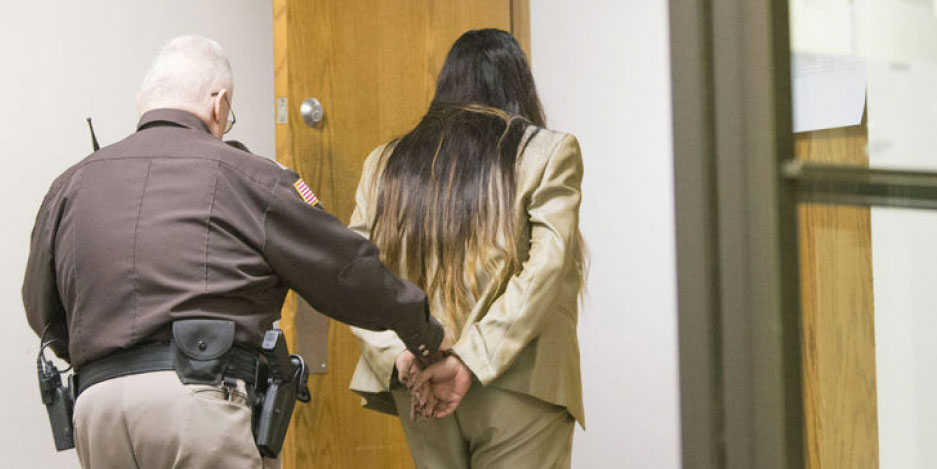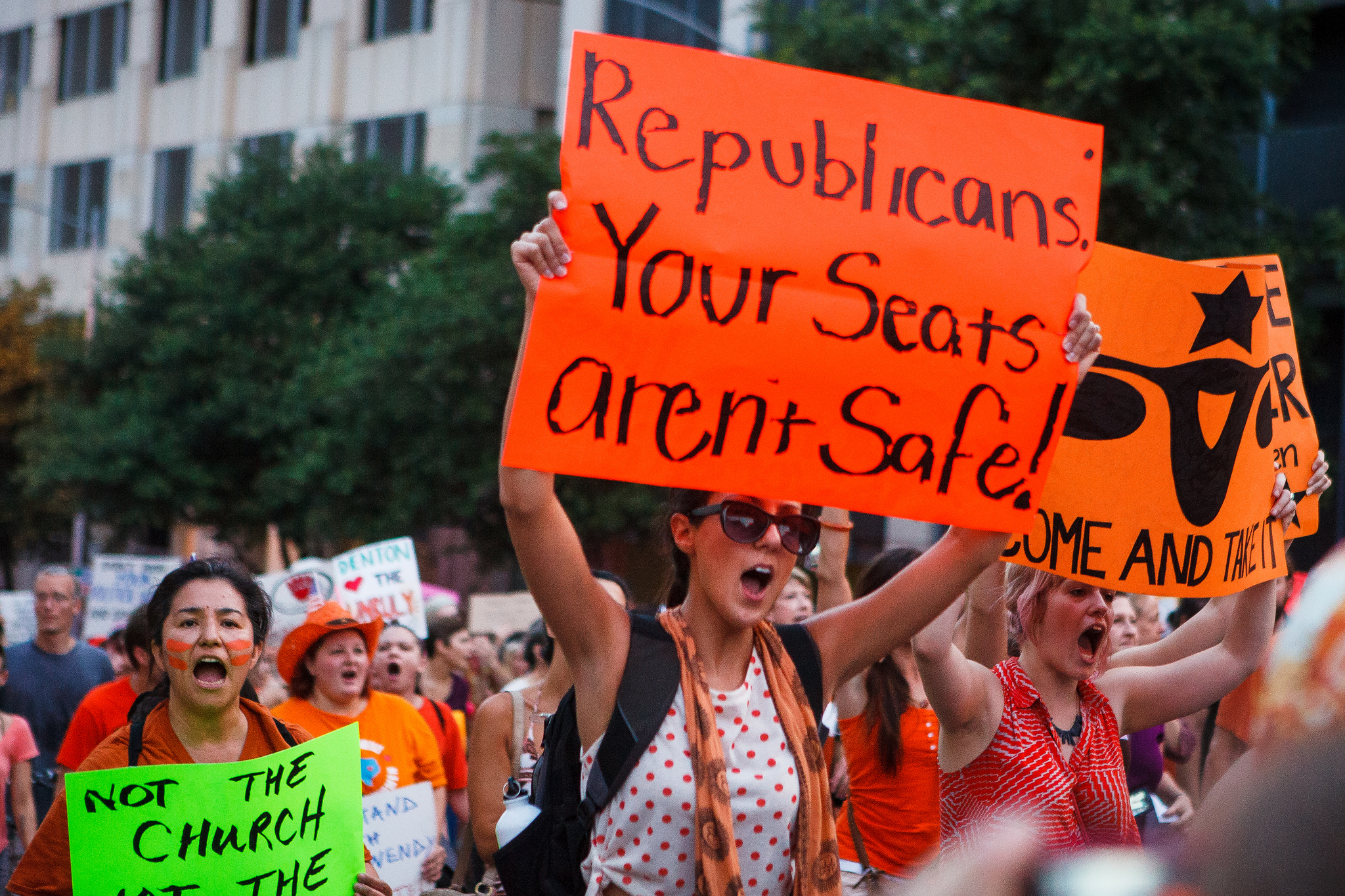
House Passes 20-Week Abortion Ban Limiting Access for Rape Survivors

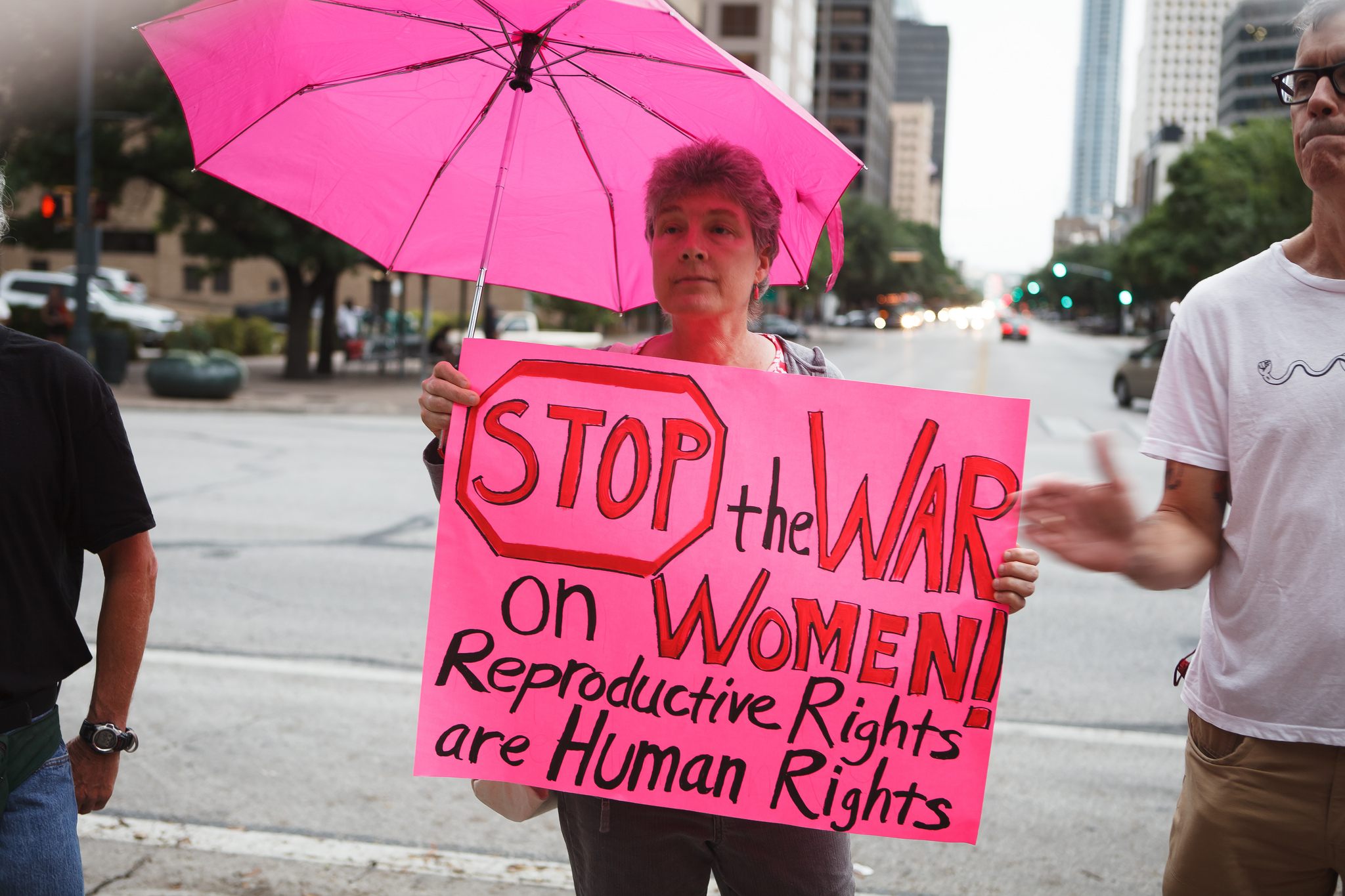
The House passed a 20-week abortion bill yesterday, making it plain that House Republicans feel that denying women access to abortion care is one of their top three priorities.

via
via

HR 36,  is a restrictive 20-week abortion ban that would force rape survivors seeking abortion care to either report the crime to authorities if under 18 years of age, or if over 18 years old, seek medical care or counseling at least 48 hours prior to having an abortion. There is no exception to the requirement to report rape or incest for minors.

242 members of the House voted in favor of the bill, including Democratic representatives Peterson (ND), Cuellar (TX), Langevin (RI), and Lipinski (IL), while184 members of the House, including Republicans Dold (IL), Frelinghuysen (NY), and Hanna (NY), voted against it.

This bill was brought to the House floor in January, but House Republicans were forced to pull the bill just before midnight due to concerns from Republican women about reporting requirements for rape and incest survivors. Although sponsors of the bill claim that these concerns have been addressed, HR 36 still includes immensely onerous steps for women seeking abortion care to go through. The bill includes a requirement that a minor seeking an abortion as the result of rape or incest report the crime to “an appropriate law enforcement agency,” ignoring the reality that many under 18 years old who have experienced rape or incest, and has many worried that this unnecessary provision may cause further trauma.

This bill places severe limitations on those over 18 years of age seeking an abortion past 20 weeks, specifically poor women or women who live in rural areas. In the case of rape, a woman is required to report the crime to authorities. The only other option for a rape survivor seeking abortion care under this restrictive bill is for the woman to seek medical attention or counseling at least 48 hours before their procedure at a location other than where they plan to have their procedure. This requires seeking two separate provider s- one for medical attention or counseling and one for an abortion – and is expensive, unrealistic, and overly burdensome.

Although the overwhelming majority of voters, both Democrats and Republicans alike, feel that this is the wrong issue for Congress to be spending its time on, Republicans in Congress have made it clear from the beginning of the year that limiting women’s access to comprehensive health and reproductive care is a top priority. House Speaker John Boehner referred to this 20-week ban as one of the most important priorities for Congress.

Media Resources: Congress.gov House Bill 36; Planned Parenthood; Cincinnati 3/25/15
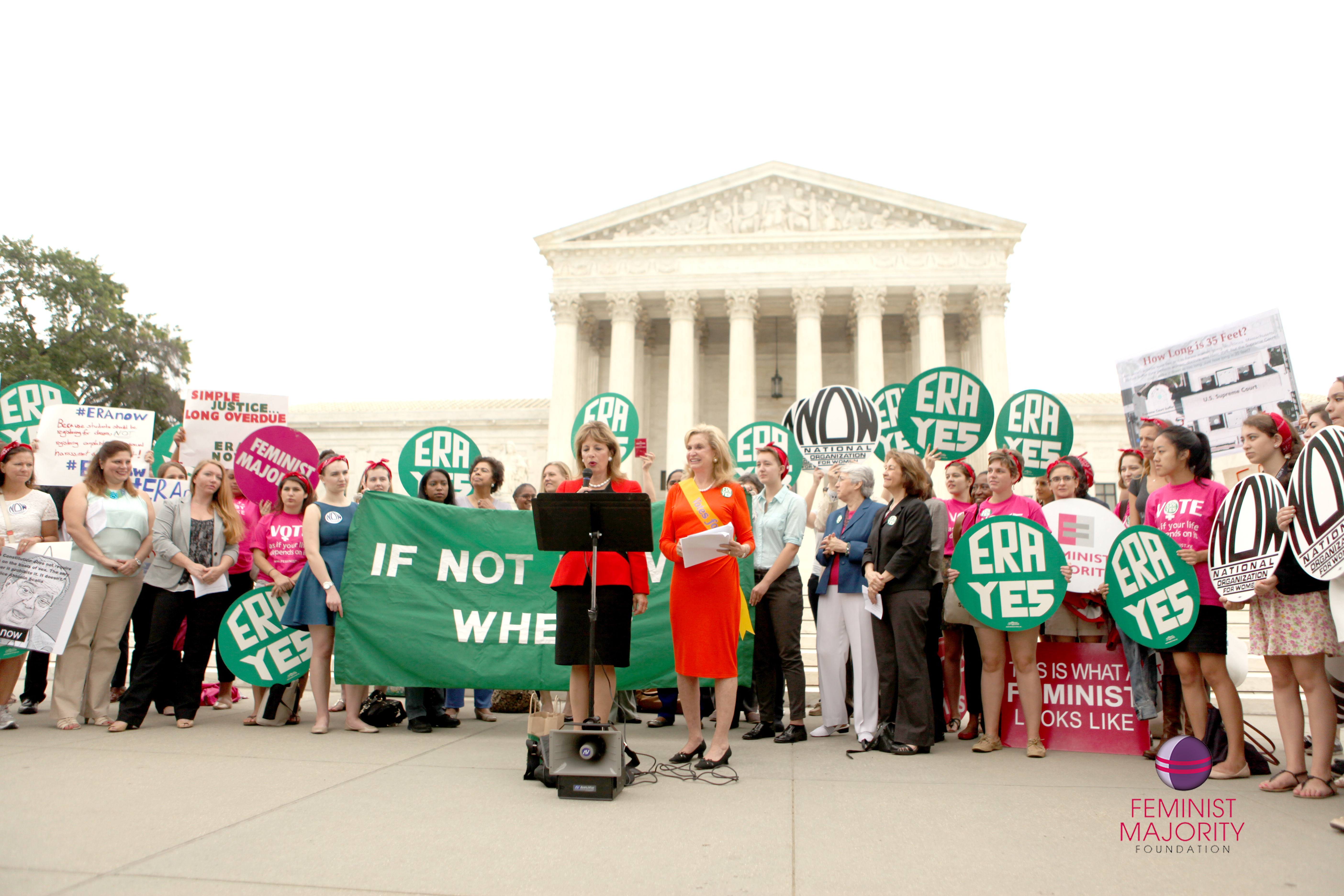
Members of Congress Renew the Fight for the Equal Rights Amendment

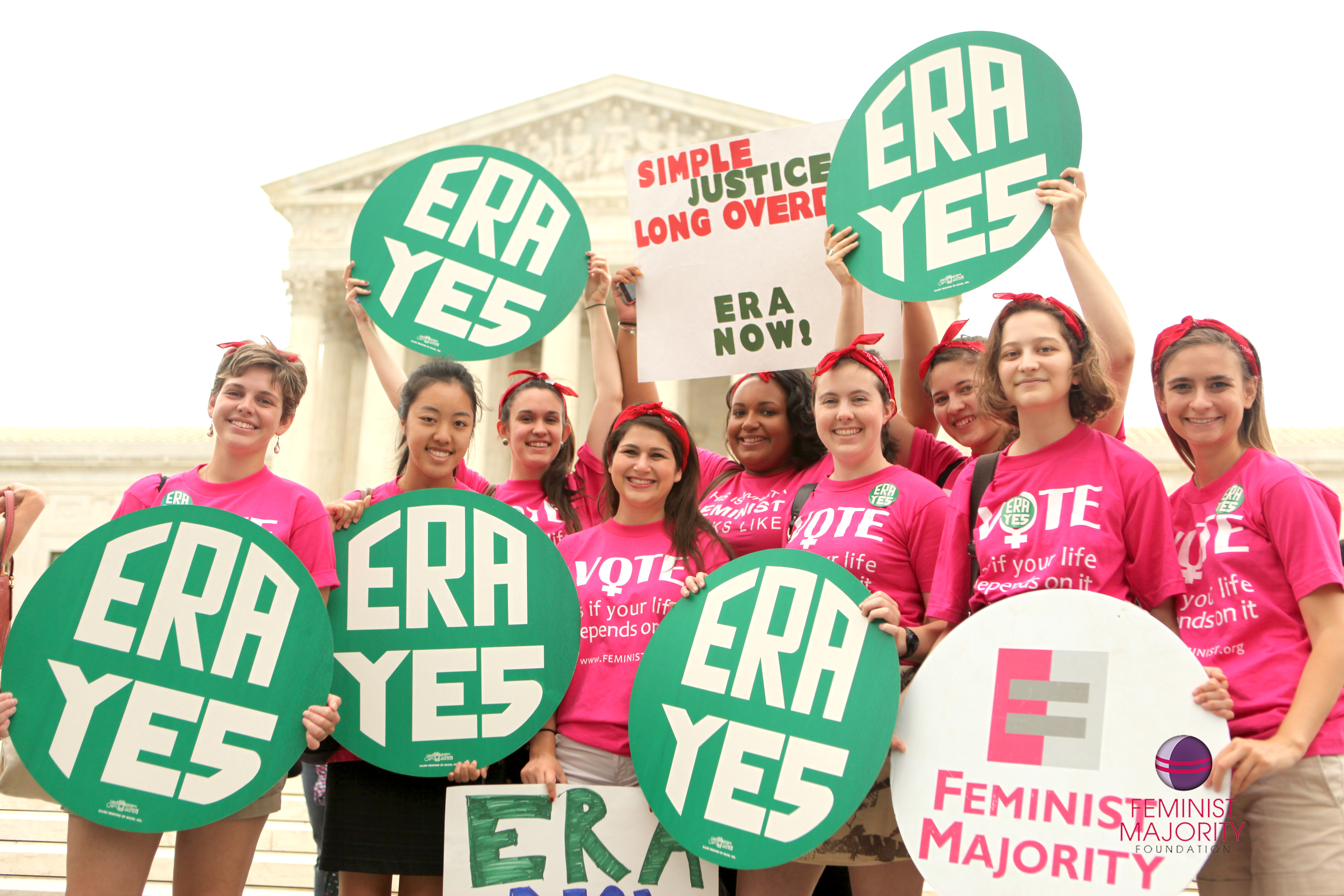
Congresswomen Carolyn Maloney (D-NY) and Cynthia Lummis (R-WY) re-introduced the Equal Rights Amendment yesterday in a bipartisan effort to put women in the United States Constitution.

via JT Johnson
via JT Johnson

A bipartisan coalition of 170 cosponsors have signed on to this bill, including representatives Maloney, Lummis, Congresswoman Speier (D-CA), Rosa DeLauro (D-CT), and many more. This motion comes alongside a resolution also introduced this week by Speier in support of the ERA.

“More than 90 percent of Americans believe the constitution should guarantee rights equally for men and women,” said Representative Maloney in a statement. “It’s time to secure that promise by passing the Equal Rights Amendment.”

“I am very enthusiastic about the new wording of Congresswoman Carolyn Maloney’s re-introduction of the Equal Rights Amendment which would put the word women in the constitution for the first time while protecting everyone from discrimination based on sex,” said Eleanor Smeal, President of the Feminist Majority. “Everyone deserves to live a life free from the pernicious effects of sex discrimination.”

Congresswoman Speier also introduced yesterday a joint resolution with 146 cosponsors this week to remove the deadline previously set by congress and allow for ratification of the ERA through a “three-state strategy.” If the deadline were lifted, only three more states would need to ratify the amendment.

Speier called the lack of constitutionally-protected equality for women “a twenty-first century scandal.” She wrote that the majority of Americans do not realize that such a provision does not already exist, “and they’re appalled to hear it doesn’t. Without explicit protections for women’s equality in the Constitution, we will continue to see discrimination against women. With all the progress women have made, it’s long past time for a permanent standard ensuring all women and men are equal under the law.”

“I believe strongly that we only need three more states to ratify the Equal Rights Amendment,” said Smeal, who also spoke of the 27th Amendment, which took a record 203 years between being introduced and being ratified. “If no time limit was acceptable for an amendment by one of the Founding Fathers, it should be good for the women of America today.”

35 states currently have a state-wide ERA on the book, with Oregon being the most recent to ratify a state ERA by a near 2-to-1 margin in November 2014. The Illinois House passed an ERA, but it was rejected at the state Senate in 2003. Recently, efforts for a state ERA in Illinois have renewed.

As Gaylynn Burroughs, the Director of Policy and Research of the Feminist Majority Foundation, explained in the Winter 2015 issue of Ms. magazine, the need for the ERA has only increased since 1972. “Women have made numerous gains over the past four decades from Title IX to the Pregnancy Discrimination Act to pay equity to the Violence Against Women Act and much more,” Burroughs wrote. “But all the federal legislative gains are just that – legislative. They can be wiped out by a hostile Congress or Supreme Court, or chipped away slowly and insidiously.” Burroughs cites last year’s Supreme Court Hobby Lobby decision as one example of recent rollbacks.

Take Action: Urge members of Congress to support the ERA by becoming co-sponsors of both the Start-Over ERA and the resolution to lift the time limit on the current ERA.

Media Resources: Speier.House.Gov 5/14/15; Feminist Newswire 11/5/14; 7/1/14; MsMagazine.com

Facebook Just Improved Wages and Benefits for Contracted Employees

Facebook Incorporated Chief Operating Officer Sheryl Sandberg announced today that the social media powerhouse will be requiring improved benefits from its contractors, including higher pay, paid leave, and a $4,000 new child benefit.

rvlsoft / Shutterstock.com

Sandberg stated that contracted workers’ new benefits will include a $15 minimum wage, a minimum of 15 paid leave days for holidays, sick time, and vacation, and $4,000 in child care benefits for new parents who do not receive paid parental leave. As Sandberg acknowledged, these new requirements particularly benefit women workers.

“Women, because they comprise about two-thirds of minimum wage workers nationally, are particularly affected by wage adjustments,” explained Sandberg. “Research also shows that providing adequate benefits contributes to a happier and ultimately more productive workforce.

“Now Congress should follow the lead of Facebook and many cities and states and raise the federal minimum wage and pass paid sick days for U.S. workers,” commented Feminist Majority President Eleanor Smeal who praised Facebook’s action. “Today almost half of women workers to do have one day of paid sick leave. It’s inhumane,” said Smeal.

The new standards at Facebook will affect food-service workers, janitorial staff, security guards, and other contracted workers. Sandberg hopes to implement these benefits to a broader set of vendors within the year.

The company “expects to bear the cost of the new standards as vendors increase their rates,” according to the Wall Street Journal. “We think it’s the right thing to do with our community and the right thing to do with our business,” Sandberg said. “So we think it’s an expense worth bearing.”

Media Resources: Facebook Newsroom 5/12/15; Wall Street Journal 5/13/15;

The House is Voting on a 20-Week Abortion Ban with Burdensome Rape Requirements Today

The House will vote on House Bill 36 today, a restrictive 20-week abortion ban that would force rape survivors seeking abortion care to either report the crime to authorities if under 18 years of age, or if over 18 years old, seek medical care or counseling at least 48 hours prior to having an abortion. There is no exception to the requirement to report rape or incest for minors.

via Beth
via Beth

House Republicans previously attempted to vote on this bill in January, on the anniversary of Roe v. Wade. They were forced to pull the bill just before midnight, however, due to concerns from Republican women about reporting requirements for rape and incest survivors.

Anti-choice politicians are now claiming the bill is different, but the new requirements for survivors of rape seeking abortion care are similarly restrictive, and equally problematic.

“This bill is not only unconstitutional, but shows a callous disregard for victims of rape and incest and an unbelievable lack of compassion,” said Eleanor Smeal, President of the Feminist Majority. “How can it be that this unconstitutional bill, that would injure women and girls, is one of the top three priorities of the House Republicans?”

If HR 36 is passed, adult rape survivors would be required to report the crime to “an appropriate law enforcement agency,” which has many worried that the bill ignores the experience of sexual assault by forcing her to take steps that may further trauma. This bill places additional burdens and barriers for minors, as there is no exception for minors in the mandatory reporting of rape or incest. Minors are often more hesitant to report, as their assailants are often someone they know or someone within their family.

The only other option for a rape survivor seeking abortion care, under this restrictive bill, is for the woman to seek medical attention or counseling at least 48 hours before their procedure at a location other than where they plan to have their procedure. This places severe limitations on women who live in rural areas, where finding two separate provider s- one for medical attention or counseling and one for an abortion – is unrealistic and overly burdensome.

Take Action: Contact your Representatives now and tell them that you support access to safe, legal abortion.

Media Resources: Congress.gov House Bill 36; RH Reality Check 5/12/15;

Governor Cuomo Issues Emergency Orders to Protect Nail Salon Workers

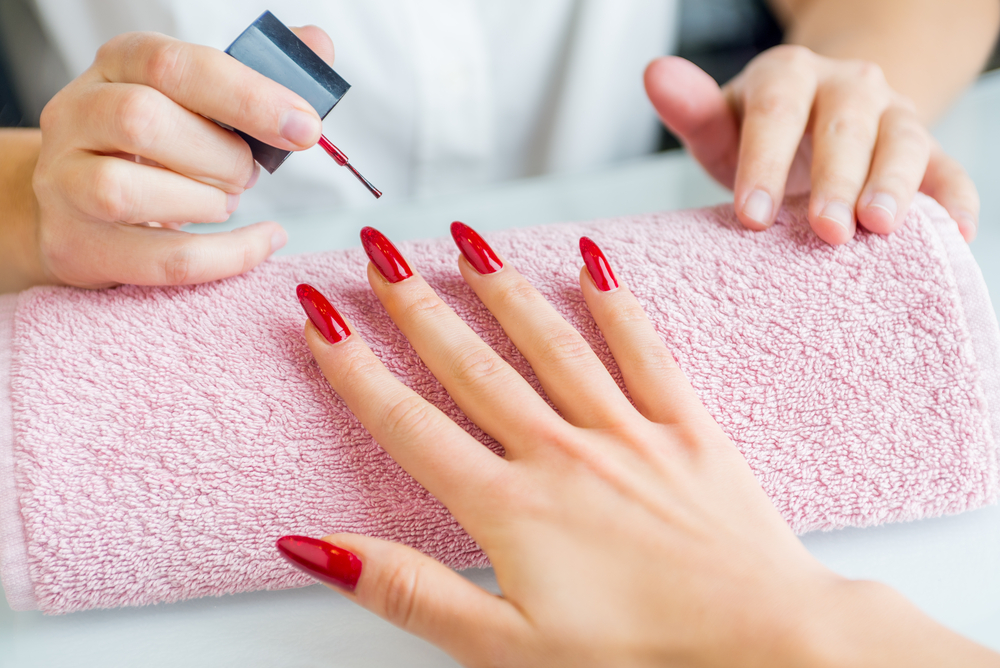
New York Governor Andrew Cuomo ordered emergency measures this weekend to protect those in the nail salon industry.

via Shutterstock
via Shutterstock

Cuomo’s actions fall in the wake of a New York Times exposé on the lives of manicurists in New York City detailing 10- to 12-hour shifts, poor conditions, health risks, low wages, and other exploitation.

“We will not stand idly by as workers are deprived of their hard-earned wages and robbed of their most basic rights,” Governor Cuomo said while announcing the launch of a multi-agency Enforcement Task Force aimed at addressing the exploitation of those in the nail salon industry.

Cuomo’s new actions include posting worker’s rights within salons in six different languages, shutting down unlicensed businesses, face mask and glove requirements, and other safety measures to protect manicurists from the harsh chemicals regularly used at salons. A campaign to educate salon staff, including managers and owners, will also be introduced. The campaign will encourage all employees, regardless of immigration status, to report mistreatment.

The NY Times article exposed the widespread mistreatment of manicurists and salon workers, many of whom have illnesses from the chemicals they regularly handle. Through 150 interviews in four languages, the NY Times found that manicurists are often paid well below minimum wage (sometimes they are not paid at all), are physically and verbally abused, and are discriminated against within the salons due to racial ethnic stereotypes.  These abuses are often exacerbated by the immigration status of many of the employees, as the majority are undocumented workers.

Last fall, Ms. Magazine wrote of the health risks that the chemicals in many personal care products pose for women. In her article “Skin Deep”, Heather White, the executive director of Environmental Working Group (EWG), details the unregulated or under-regulated chemicals that show up in women’s personal-care products. EWG created an online data base and tested over 70,000 personal-care products, finding shocking numbers of carcinogenic chemicals, many of which are associated with reproductive or developmental toxicity or hormone disruption.

Ms. also wrote about the startling findings of a report from Women’s Voices for the Earth, which details some of the many health risks salon workers face. Some of the findings included 60 percent of salon workers suffering from dermatitis and other skin conditions, decreased lung function, increased risk of miscarriage or fetal abnormalities, and increased risk of breast and other cancers.

The framework of the emergency status declared by Governor Cuomo means that policy changes regarding the nail salon industry in New York can be implemented more quickly, as more time-consuming steps such as periods of public comment are skipped over.

Media Resources: NY Times 5/7/15; Governor Cuomo Press Release 5/10/15; EWG.org/Skindeep; Ms. Magazine 11/11/14; WomensVoices.org “Beauty and Its Beast” Report Nov 2014

Pregnant Women Left Vulnerable After Devastating Nepal Earthquake

A large earthquake hit eastern Nepal today, two weeks after a quake killed 8,000 people in the country. Health experts are increasingly worried about the approximately 126,000 pregnant women in Nepal who are seeing their health suffer, in part because of the many clinics that were destroyed by the quakes.

via DFATD | MAECD
via DFATD | MAECD

Pregnant women were already one of the most vulnerable groups during the earthquake as they were less able to run, said Nuzhat Rafique of UNICEF. Several women had miscarriages, and a traumatic event such as this one can cause women to give birth prematurely – which can be dangerous for both the child and the mother. Many health facilities have either been destroyed or are not open and operating. About 14,000 women are expected to give birth in the coming weeks, and thousands of them are at risk of complications that require emergency care, according to CARE.

“There are no health facilities functioning the way they normally do, so women really get affected when there is no health post to go to,” Poonam Khetrapal Singh, the regional director for Southeast Asia of the World Health Organization, told Al Jazeera.

The quake today has a magnitude of 7.3, which comes 93 miles southeast of the 7.8 quake that hit on April 25. National Geographic reports that today’s quake was an aftershock, and that more could be on their way.

Shaheen Chughtai of The Guardian notes that Nepal has 28 million people who live under the poverty line and who don’t have access to proper sanitation. That, paired with the fact that Nepal sits in an extremely seismically hazardous area, is a recipe for disaster.

“Their ability to cope with a major disaster is crippled by the lack of economic and social infrastructure that people in richer nations take for granted, Chughtai writes. “Many thousands of Nepalese are going to need a great deal of help.”

While long-term improvements need to be made to ensure the safety of Nepal’s citizens, immediate assistance needs to come first.

“The next step would be to mobilize outreach teams from those shelter homes and tents, and tent facilities to peripheral areas,” Rafique said. “And involving communities and volunteers to reach those women who need these services.”

Click here to donate to CARE, a humanitarian organization that will provide emergency relief and long-term recovery in Nepal, while making sure to focus on the specific needs of women and girls.

Media Resources: National Geographic 5/12/2015; CARE 5/11/2015; Al Jazeera 5/10/2015; The Guardian 4/26/2015

Obama Administration Clarifies ACA Birth Control Benefit After Reports of Conflicting Policies

The Obama administration announced yesterday in new guidance to health insurance companies that insurers are obligated to cover all forms of birth control under the Affordable Care Act.

via Shutterstock
via Shutterstock

The guidance from the Department of Health and Human Services (HHS) details that insurance companies must cover at least one version of all 18 federally approved birth control methods. The HHS announcement comes after many agency reports indicating that insurers had conflicting policies on covering contraceptives, some of which violate the ACA requirement that contraception is offered at no cost.

“Under the Affordable Care Act, women are no longer supposed to be at the mercy of insurance companies,” said Gretchen Borchelt, Vice President for Health and Reproductive Rights at the National Women’s Law Center. “It is now absolutely clear that all means all—all unique birth control methods for women must be covered.”

At least one version of all 18 federally approved birth control methods, including IUDs, the patch, pill, shots or injections, vaginal contraceptive rings, and some long-term options such as surgical sterilization or implant, must be available to women. The HHS also specified that insurers cannot limit contraceptive services for transgender people based on the sex assigned to them at birth. This is a very important clarification as, according to the Human Rights Campaign, transgender people are “routinely denied” preventative care services.

This new guidance comes during National Women’s Health Week, and is being lauded by many women’s organizations, including the Feminist Majority Foundation. “Feminists have worked very hard for this coverage,” said Eleanor Smeal, President of the Feminist Majority Foundation. “This will not only benefit millions of women, but it will provide the access and choice that for too long too many women could not afford.”

Debra Ness, President of the National Partnership for Women and Families, called the HHS guidance “another badly needed step to improve women’s health.”

Clare Coleman, President and CEO of the National Family Planning and Reproductive Health Association, wrote of the impact that affording women more choices with their birth control will have.

“A difference in contraceptive method is not superficial,” Coleman said. “It matters to women and men that they have a choice of method that is appropriate for their own health and circumstances.”

Media Resources: Natoinal Women’s Law Center Press Release 5/11/15; The Hill 5/11/15; HRC Blog 5/12/15; National Partnership for Women & Families Press Release 5/11/15; NFPRHA Press Release 5/11/15

Afghan Girls Win Gold at International Science Competition

Three schoolgirls from Afghanistan won gold in biology at an international science competition hosted in Kenya last week.

via Shutterstock
via Shutterstock

300 students competed from 27 countries in a science competition in Kenya, where three girls from a school in Afghanistan took home the gold in biology. Upon return to Afghanistan, Shohra, one of the gold medalists, exclaimed excitedly that her and her classmates won the competition and obtained gold medals.

Nargis, another medalist, emphasized the need for continued support for girls’ education in Afghanistan after her victory. “Afghanistan needs more focus on education because it has been a war-hit country,” she said. “I want all families to allow their daughters to continue their studies in order to bring honor to Afghanistan.”

President Ghani and First Lady Rula Ghani have promised increased support for girls’ education.

Last fall, President Ghani and USAID launched its largest women’s empowerment program in the world, called “Promote.” Ghani and CEO Abdullah Adbullah, when announcing the initiative, both spoke about giving more roles to women in government and the need for women’s inclusion in economic development. Promote was also welcomed by First Lady Ghani, who spoke at the launch of the program. Ghani emphasized her desire that Promote reach not only urban women, but also “their educated sisters in the provinces.”

Media Resources: Tolo News 5/6/15; 11/8/14; Feminist Newswire 11/11/14

The ERA Was Just Re-Introduced in the Senate for Ratification

Just in time for Mother’s Day, U.S. Senator Ben Cardin (D-Md.) re-introduced yesterday a joint resolution to ratify the Equal Rights Amendment (ERA) to the U.S Constitution. S.J. Res. 15 was introduced with 26 original cosponsors including Senator Mark Kirk (R-Il). The resolution would remove the deadline set by congress for ratification of the ERA. U.S. Representative Jackie Speier is expected to introduce an ERA resolution in the House.

via Jessica Johnson

The ERA originally passed congress in 1972. Like every proposed constitution amendment, after it passed by a two-thirds vote of both the House and Senate, the ERA was sent to the states for ratification. Congress, however, had imposed – in the preamble of the ERA – a seven-year deadline on the ratification process. That deadline was eventually extended to June 30, 1982.  Thirty eight states must ratify an amendment before it can become part of the U.S. Constitution. Thirty five states ratified the ERA by the 1982 deadline.

If the deadline is lifted, only three more states would need to ratify the amendment. This is called the “three-state” strategy.  As part of the strategy, ERA activists in unratified states are working to clear a path for the ERA. The Illinois State Senate passed the ERA in 2014 with a strong 39-11 vote, and in February 2015, the Virginia State Senate – which never took a floor vote on the ERA during the campaign in the 1970s and 1980s – voted to pass the ERA for the fourth time since 2011.

“As America prepares to celebrate Mother’s Day, we should be working to ensure that all women realize the promise of equal protection under the law. We cannot allow an arbitrary deadline to stand in the way of equal rights for our mothers and daughters, wives and sisters, aunts and grandmothers,” said Senator Cardin.

The ERA states: “Equality of rights under the law shall not be denied or abridged by the United States or by any State on account of sex.”

As Gaylynn Burroughs, the Director of Policy and Research of the Feminist Majority Foundation, explained in the Winter 2015 issue of Ms. magazine, The need for the ERA has only increased since 1972. “Women have made numerous gains over the past four decades from Title IX to the Pregnancy Discrimination Act to pay equity to the Violence Against Women Act and much more.” She continued, “But all the federal legislative gains are just that – legislative. They can be wiped out by a hostile Congress or Supreme Court, or chipped away slowly and insidiously.” Burroughs cites last year’s Supreme Court Hobby Lobby decision as one example of recent rollbacks.

Senator Bob Menendez (D-NJ) has also introduced an ERA resolution that would begin the ratification process over from the beginning.

Click here to sign the petition urge members of Congress to support the Equal Rights Amendment by becoming co-sponsors of both the Start-Over ERA and the resolution to lift the time limit on the current ERA. 

Media Resources: U.S. Senator Ben Cardin Press Release, 5/7/15; Feminist Newswire 5/23/2014

It’s Been a Month: Purvi Patel is Still in Prison for a Miscarriage

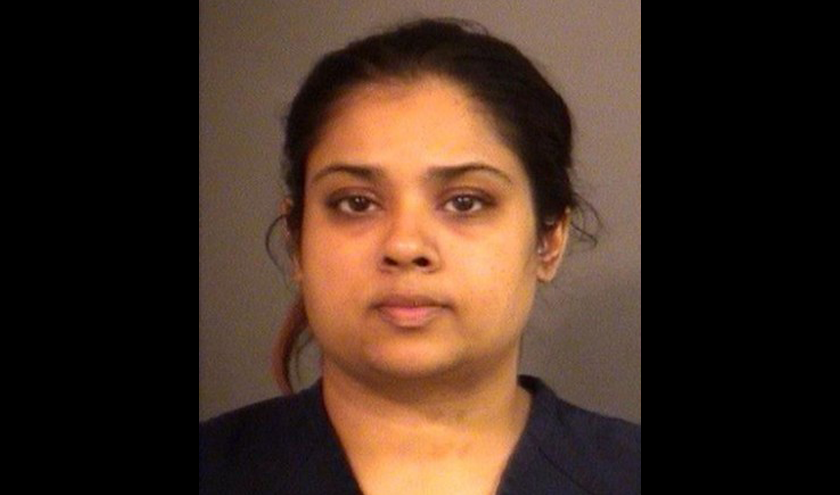
Purvi Patel, a 33-year-old Indian-American who was convicted in Indiana for a miscarriage, has now been in prison for more than 30 days.

via St. Joseph County Police Department

Indiana claims Patel took illegal abortion-inducing drugs, that her fetus was born alive, and that the fetus subsequently died.

The convictions for feticide and child neglect were based on little to no evidence, and on junk science that was literally created in the 17th century and is highly contested by scientists. Activists were outraged, noting no one should be punished for having a miscarriage. The case moved activists to create a petition calling for Gov. Mike Pence and the Indiana State Legislature to change the Indiana laws that punish women who miscarry

Patel filed an appeal last month arguing there is no proof she took illegal abortion-inducing drugs.

In the newest issue of Ms. magazine, authors Deepa Iyer and Gaylynn Burroughs warn that Patel’s conviction represents the way women have been – and will be – treated by current anti-woman laws:

Patel’s case should set alarm bells ringing in the minds of all those concerned with the welfare of pregnant women. This case may indeed open the door to more legislative, criminal and legal attacks on pregnant women. We must work together to close this door, once and for all. The health and well-being of all women are at stake.

(Read more from the Ms. Spring 2015 issue here.)

At least 38 states have these troubling feticide laws on the books, and 23 of them are laws that apply to early stages of pregnancy.

Since the appeal, St. Joseph County courts will get case transcripts to Patel’s lawyers, who will submit a brief to the state Court of Appeals. While it could take more than a year for the court to reach a decision about whether the convictions should be overturned, Patel is in prison – serving her 20-year sentence.

“What the Patel case demonstrates is that both women who have abortions and those who experience pregnancy loss may now be subject to investigation, arrest, public trial and incarceration,” wrote Lynn Paltrow, executive director of National Advocates for Pregnant Women. “Pregnancy loss is not uncommon: some 15-20 percent of all known pregnancies end in miscarriage; one percent of pregnancies—approximately 26,000 each year—result in stillbirth. Following the Patel case, however, any miscarriage or stillbirth could be investigated as feticide (an ‘illegal’ self-abortion).”

Click here to sign the petition to tell Gov. Mike Pence and the Indiana State Legislature that these anti-woman Indiana laws need to be changed so women aren’t punished for having a miscarriage.

Media Resources: Ms. magazine spring 2015 issue; Feminist Newswire 4/29/2015; Feministing 4/2015

Four Sentenced to Death, Eight to Prison for Brutal Murder of Afghan Woman

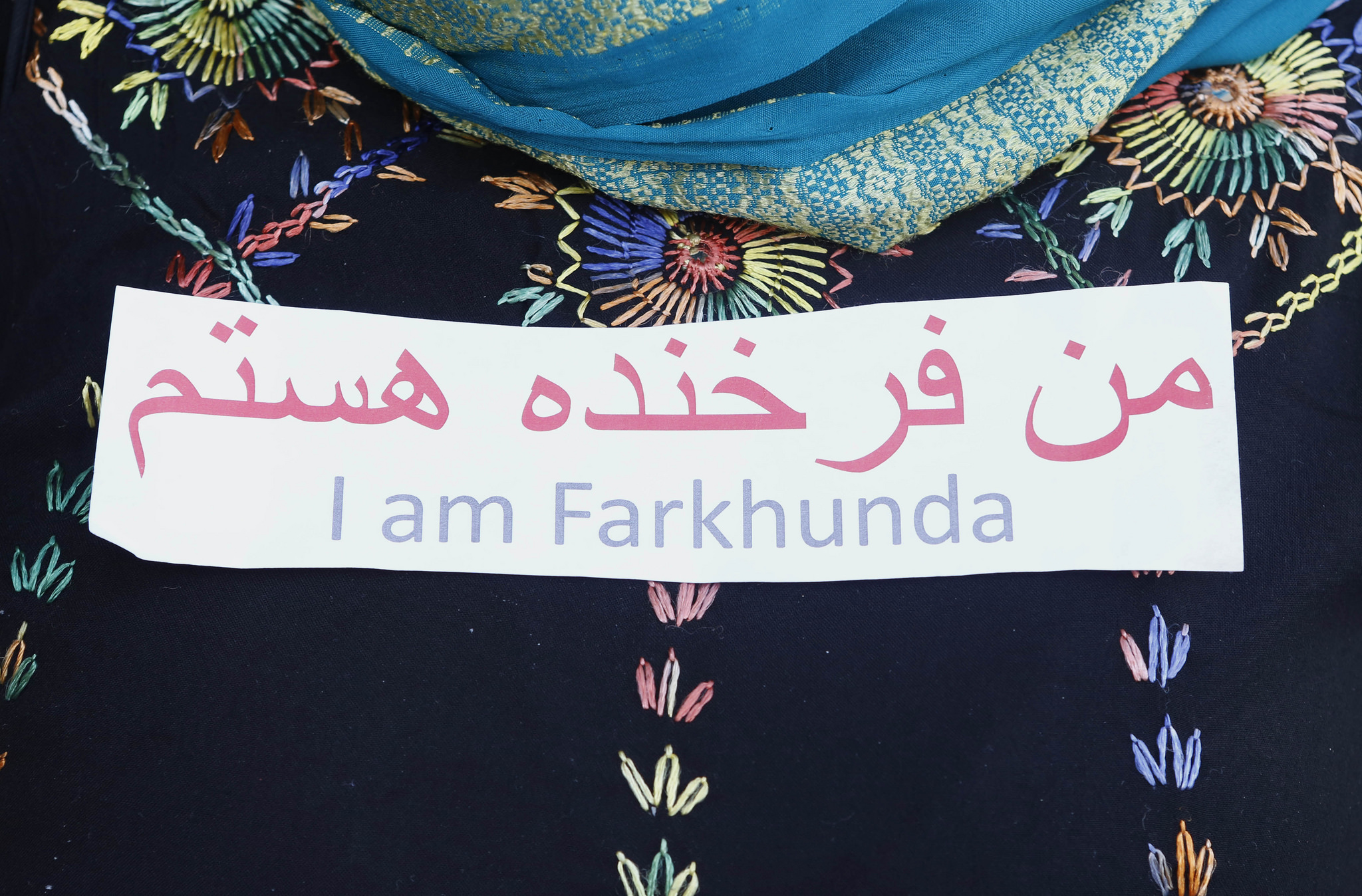
The verdict for the 49 men charged with the murder of 27-year- old Farkhunda came yesterday, following a highly publicized and televised week-long trial and public outrage for violence against women in Afghanistan.

US Embassy Kabul Afghanistan
via US Embassy Kabul Afghanistan

Farkhunda, who was an Islamic law student, accused a local Mullah of acting inappropriately. The Mullah then began to shout that Farkhunda was an infidel who had burned the Koran, she was also accused of being mentally ill – both accusations were later said to be false. A crowd of hundreds of men were incited to attack her, and they beat her to death, set fire to her body, and threw her body in a river.

Of the 49 men tried in this case, four were sentenced to death, and eight were sentenced to 16 years in prison. Nineteen police officers are facing charges and will be sentenced separately. The rest were not charged. The Mullah responsible for provoking the mob to attack Farkhunda was among those sentenced to death – the first Mullah in Afghanistan to be executed.

Activists who have been calling for justice for Farkhunda are celebrating the sentencing.  “It’s making me hopeful and it’s making think that all the work that we did, all the protest that we did is finally reaching something,” said one woman who has been active in seeking justice, and who wished to remain anonymous.

Others felt the sentencing was too lenient. Omar Haidari, another activist, said the judge’s ruling was “totally unacceptable,” claiming the 18 men who were acquitted should not have gone free. “They were all part of the game and should be punished severely,” he said. “At least they should be sentenced to life in prison for what they have done.”

Farkhunda’s murder sent shockwaves through Afghanistan and the world, as videos of the mob attack went viral. She has been called a martyr among women’s rights and Islamic people alike who believe the woman was unjustly killed for speaking up for her beliefs. A group of all women carried Farkhunda’s coffin at her funeral, which breaks the tradition that has men carrying the coffin while women stay home to mourn.

Media Resources: Al Jazeera 5/6/15; NPR 5/6/15; NY Times 5/6/15; Feminist Newswire 4/6/15;

Sen. Reid Promises to Filibuster “Fast Track” for the Trans-Pacific Partnership

Senate Democratic Leader Harry Reid has promised to delay efforts to push through the controversial Trans-Pacific Partnership trade deal until the Senate first deals with two stalled bills that may soon expire.

via Center for American Progress Action Fund

Reid says that the two measures, an infrastructure bill on highway funding, and reforms to the Foreign Intelligence Surveillance Act (FISA), are “very complicated issues,” that require the Senate’s attention “before we even deal with [the Trans-Pacific Partnership].”

The Trans-Pacific Partnership (TPP), a massive free trade agreement currently being promoted by the Obama Administration, has been heavily criticized by humanitarian groups, environmental groups, and medical groups. These groups charge that the agreement not only threatens US jobs, but it threatens environmental regulations, food and safety standards, workers’ rights, and access to affordable medications, among other issues. The TPP, which would include 12 nations, has largely been negotiated in secret and without robust input from the American public, although corporate interests have been included in negotiations.

In addition to these concerns, the TPP also includes Brunei as a member, a country that has recently adopted a vicious penal code threatening the rights and lives of women and gay men. The Feminist Majority has consistently called on the Obama Administration not to do business with a regime that has adopted a penal code antithetical to human rights.

“Any deal that forces women and human rights to take a backseat to profit and trade should be a non-starter,” explained Feminist Majority President Eleanor Smeal. “At a minimum, the US should not enter into a partnership with a country that just last year adopted a penal code authorizing torture and violence against its citizens,” Smeal continued.

Smeal refers specifically to the most troubling aspects of Brunei’s penal code, which calls for fines, imprisonment, flogging, or death by stoning for women and men committing such “crimes” as adultery, abortion, same-sex sexual relations, or so-called “indecent behavior” such as cross-dressing.

Senator Orrin Hatch (R-UT) recently introduced “Fast Track” legislation in the Senate that would allow the TPP to be pushed through Congress. Representative Paul Ryan (R-WI) has also introduced companion legislation in the House. Under the Ryan-Hatch Fast Track bill, Congress would give the President broad power to select US trading partners, determine the content of trade agreements, and conclude negotiations, all before Congress voted on the substance of an agreement. Congress would set out negotiating objectives, but these objectives would be entirely unenforceable. Instead, once an agreement has been signed, the president would only have to submit it to Congress for an up-or-down vote. Fast Track would forbid Congress from offering any amendments, would limit debate to only 20 hours, and force a vote within 90 days.

The Feminist Majority joined over 2,000 organizations, including Citizens Trade Campaign, to send a letter to members of Congress opposing the Ryan-Hatch Fast Track bill. The Feminist Majority also has released a petition asking people to urge their representatives to vote against the TPP agreement.

Media Resources: Huffington Post 5/4/15; 2/9/15; Citizens Trade Campaign

Report Released by Sen. Gillibrand Shows Underreporting of Military Sexual Assault

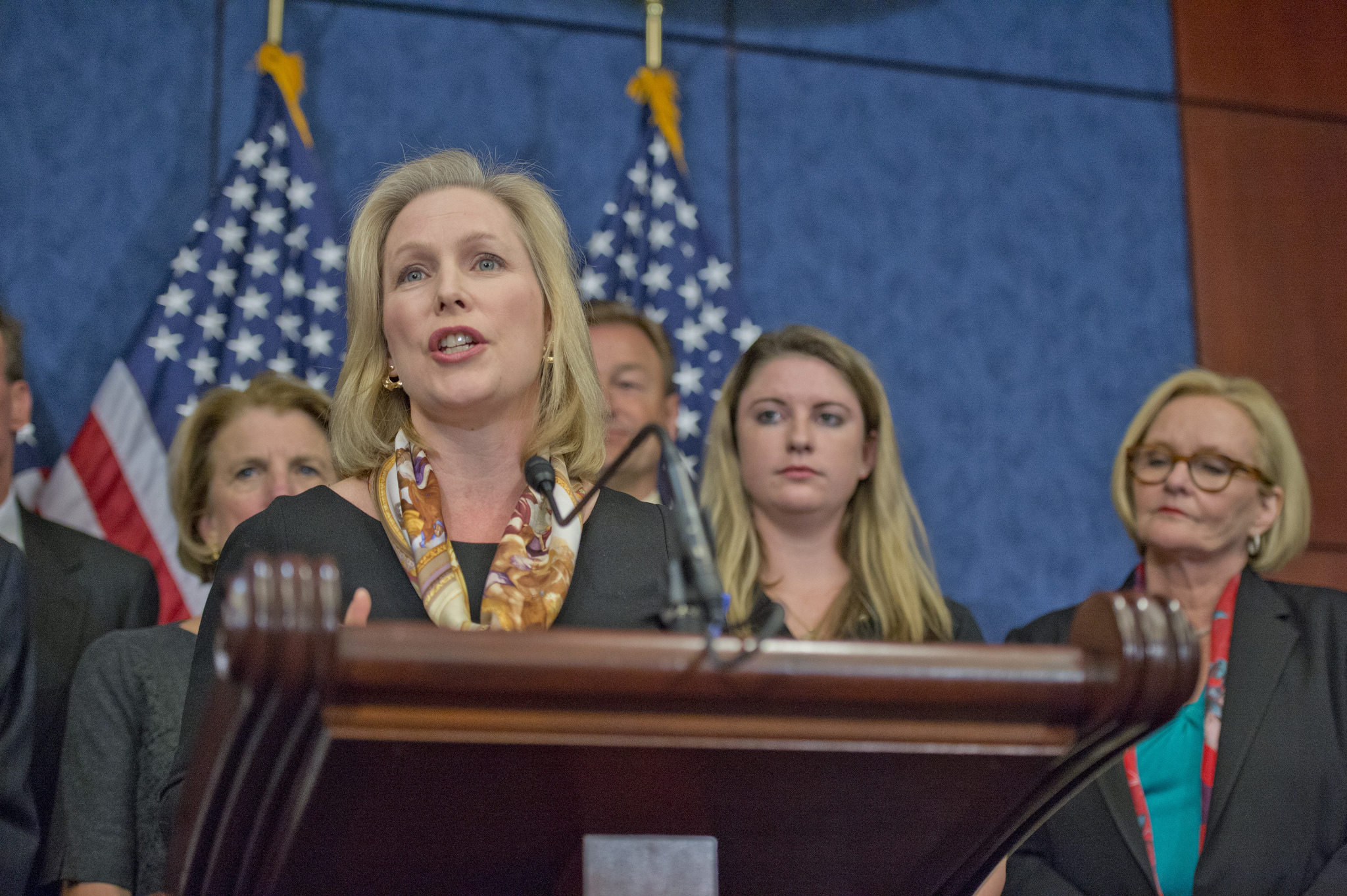
A new report released by Senator Kirsten Gillibrand (D-NY) this morning shows the Department of Defense (DOD) is grossly under-reporting the number of sexual assault crimes in the US military, particularly those occurring on military bases. Gillibrand says this new information deepens a lack of faith for an internal commander-led justice system for cases of military sexual assault, saying it “remains plagued with distrust.”

via Senator Claire McCaskill

Senator Gillibrand found in a review of 107 case files provided by the DOD that instances of sexual assault against spouses of service members and civilian women near military bases are being left out of public records. Furthermore, the senator’s analysis of these files found that punishments for sexual assault offenders were largely too lenient or lacking altogether. A shockingly low 20 percent of cases went to trial, and only 10 percent of all cases resulted in sexual assault conviction with penalties of dishonorable discharge or confinement. These findings starkly contradict the Pentagon’s assertion that the commander-led justice system currently exercised for cases of military sexual assault will lead to tough punishment of service members accused of sex crimes.

“It’s frustrating because you look at the facts in these cases and you see witnesses willing to come forward, getting the medical exam and either eventually withdrawing their case or the investigators deciding that her testimony wasn’t valid or believable,” Gillibrand said.

Of the files reviewed in the report, 32 percent of reports of sexual assault were filed by civilian women assaulted by servicemen. A Department of Defense spokeswoman claimed that the department doesn’t have the authority to include civilian reports in its surveys.

“We kept hearing how previous reforms were going to protect victims, and make retaliation a crime,” said Gillibrand, referring to promises that were made during hearings for the Military Justice Improvement Act, championed by Gillibrand and blocked by Senate twice last year. “Yet there has been zero progress to reduce retaliation. The rate hasn’t budged since 2012,” Gillibrand continued.

“Enough is enough. Incremental progress at best just isn’t good enough when the problem undermining the readiness of the military is this deep. The men and women of our military deserve a system of justice worthy of their sacrifice,” Gillibrand said.

Media Resources: Gillibrand.gov Press Release 5/4/15; 5/1/15; Huffington Post 5/4/15; Feminist Newswire 12/12/14

Maryland State Prosecutor Promises Justice for Freddie Gray

The six police officers involved in the arrest of Freddie Gray of Baltimore, Maryland have been charged criminally with offenses including murder, manslaughter, assault, false imprisonment, and misconduct in office.

hh.jpg

Freddie Gray was taken into custody by Baltimore Police on April 12, and sustained critical injuries to his spinal cord while in a police van that lead to his death a week later. Following his death, the Baltimore community responded in protests and civil disobedience seeking justice for a man who was unlawfully detained and murdered.

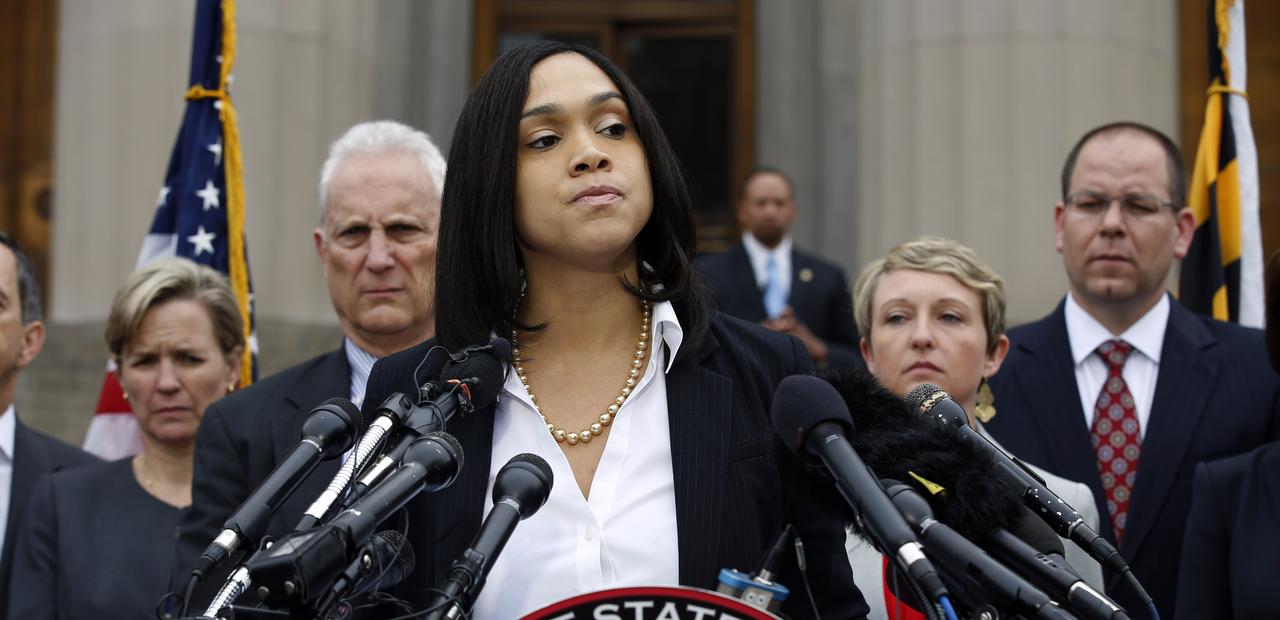
“To the youth of this city,” Maryland State Attorney Marilyn Mosby said in a press conference announcing the charges, “I will seek justice on your behalf. This is a moment, your moment, let’s make sure we have peaceful and productive rallies… as young people our time is now.” The police officer who drove the van faces up to 63 years in prison, and the other officers face up to 30 years.

Mosby announced Friday morning that the death of Freddie Gray had been ruled a homicide following the official release of the medical examiner’s report. “I heard your call for ‘no justice, no peace,'” she said following the announcement of the charges. “Your peace is sincerely needed as I work to deliver justice on behalf of this young man.”

35-year-old Mosby was elected to her post in November 2014. She defeated incumbent Gregg Bernstein in the Democratic primary promising to put an end to police violence in Maryland.

“I applaud the swift action of Marilyn Mosby and the fact that she had promptly conducted an independent investigation,” commented Eleanor Smeal, President of the Feminist Majority Foundation. It’s time long overdue to bring an end to police brutality.” For many years, the FMF and it’s National Center for Women in Policing have worked to reduce police brutality and increase the response to violence.

Media Resources: ABC News 5/1/15; Mix 5/1/15; Baltimore Sun 5/1/15

House Reverses DC Law Banning Reproductive Health Discrimination by Employers

The US House of Representatives voted Thursday night to overturn a Washington, DC, law that makes it illegal for employers to retaliate against employees who use their insurance to cover procedures like in-vitro fertilization or abortion and contraception like birth control pills and IUDs for themselves, their spouses, or their children.

via Gage Skidmore
via Gage Skidmore

The District’s council passed the Reproductive Health Non-Discrimination Amendment Act last year. The original legislation looked to protect employees from discrimination based on their reproductive health choices. Overturning the law would not only lead to discrimination against those who receive birth control, abortions, or in-vitro fertilization, it could also affect their spouses or parents. If this House ban would become law, an employer could discriminate against an employee if they, or their dependents under their health coverage, receives these reproductive health services.

“This is Hobby Lobby on steroids,” House Minority Leader Nancy Pelosi said, referencing the Supreme Court decision that essentially gave permission to some employers to not provide contraception as a part of the company’s health insurance plans. “Republicans need to recognize that your own health-care choices are not your boss’s business.”

Feminist leaders agree, calling the vote an attack on women. “This is a new low. It’s beyond outrageous,” said Feminist Majority Foundation president Eleanor Smeal. “The so-called ‘small government’ folks now want employers to invade the privacy of their employees and their families’ medical records.”

“This bill would make it open season for bosses to dig into their employees’ reproductive health practices and fire women for taking birth control or having an abortion,” said Cecile Richards, president of Planned Parenthood, in a statement. “This is just the latest in a slew of bills to give employers and businesses the right to discriminate against LGBT people, women, and others. This is dangerous, misguided, and deeply unpopular, and it’s outrageous that Congress is spending its time trying to pass this kind of legislation.” She called the vote “deeply troubling.”

Although Congress has the power to overturn a law passed by the DC council, the House hasn’t voted to do so in 23 years. Rep. Diane Black (R-Tenn.) introduced the House version of the measure and Sen. Ted Cruz introduced the measure in the Senate. The House vote was nearly a straight party-lines vote, except with 13 Republicans voting against the measure and three Democrats voting for it.

The Senate and President both need to approve this measure in order for the DC law to be overturned, but President Barack Obama said the measure would have “the unacceptable effect of undermining the will of District of Columbia citizens” and has already issued a veto threat.

Media Resources: The Washington Post 4/30/2015; Huffington Post 4/30/2015; US House of Representatives; Feminist Newswire 7/1/14

400 Women and Children Have Been Rescued From Boko Haram in Nigeria

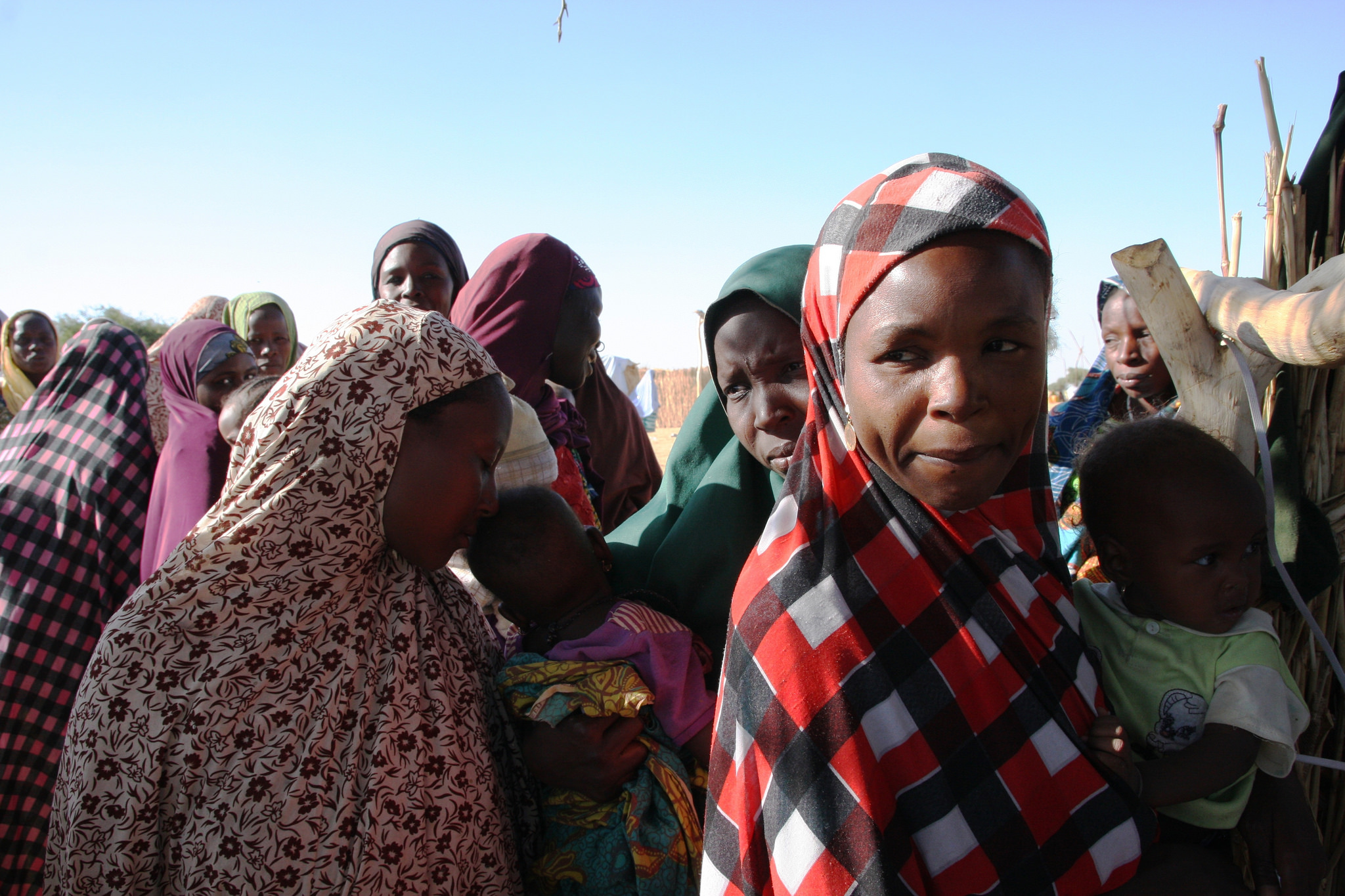
In two different operations in under a week, Nigerian troops have rescued more than 400 women and children who had been kidnapped by Boko Haram.

via
via

On Tuesday, Nigerian troops announced they rescued 200 girls and 93 women from Boko Haram – and today news has come out that troops rescued another 160 women and children.

While the news is promising and shows progress made in Nigeria to combat Boko Haram, the girls rescued were not the Chibok girls who inspired the #BringBackOurGirls movement last year. It is possible that a few of the kidnapped Chibok girls were part of the mix of those rescued, but that information has not yet been made clear.

Army spokesperson Sani Usman said they were working to verify actual numbers, but that they expect even more people will be rescued soon. He says the 160 figure for the most recent rescue is an estimate “because more are coming in as operations continue.”

The terrorist group Boko Haram has wreaked havoc on northern Nigeria since 2009. Boko Haram has continually attacked northern Nigeria since 2009; they have targeted officials, civilians, women, children, and have kidnapped many. In a recent attack, hundreds of gunmen attacked the town of Baga, leaving up to 2,000 people dead. The majority of those killed were women, children, and the elderly who could not flee quickly enough.

More than a year ago, over 270 schoolgirls were kidnapped by Boko Haram in Nigeria. Activists took to social media to demand the release or rescue of the girls, using the hashtag #BringBackOurGirls. Several false promises and announcements were made to rescue the girls, but it is only now that progress seems to be happening in the effort to rescue those kidnapped.

“This development is just cause for celebration and undoubtedly an immense relief to the women, girls and their families. But this is just the tip of the iceberg; there are thousands more women and girls, and men and boys who have been abducted by Boko Haram,” said Netsanet Belay, Africa director at Amnesty International.

Media Resources: CNN 4/30/2015; Feminist Newswire 1/12/2015, 5/5/2015

Purvi Patel, Imprisoned for a Miscarriage in Indiana, Has Filed an Appeal

Purvi Patel, who was convicted of feticide and felony neglect last month in Indiana for what she continually asserts was a miscarriage, filed an appeal arguing there is no proof she took drugs to intentionally end her pregnancy.

via we enjoy
via we enjoy

A Stanford law professor, Lawrence Marshall, told WSBT 22 that he’s taking Patel’s case pro bono. Marshall says the case “cries out for reversal.”

“We are definitely going to do everything in our power to make sure the justices see the perspective of various reasons that the case is so troublesome,” Marshall said.

Patel was convicted of both terminating her pregnancy on purpose and abandoning a live, delivered fetus. However, there is no evidence to support the idea that she abandoned a living fetus – there was no evidence she took an abortion-inducing pill, and no proof the fetus was alive once it existed her body. Patel has remained consistent that what happened was that she suffered a miscarriage. The case has inspired thousands of signatures on a petition calling for Gov. Mike Pence and the Indiana State Legislature to change the Indiana laws that punish women who miscarry. 

Indiana has a law in place banning “knowingly or intentionally terminat[ing] a human pregnancy” in any case except to produce a live birth, clear out a dead fetus, or to perform a legal abortion. Since Patel was accused of using illegal abortion drugs, and of abandoning a live fetus, she was convicted of violating it.

The only evidence prosecutors used against Patel were text messages she sent to a friend talking about online abortion drugs. A toxicologist could not find any evidence of these types of drugs in Patel’s body or in the fetus. The only evidence used by prosecutors on the second charge was that the fetus, at 30 weeks old, could potentially have survived outside the womb, and its lungs passed a “floating test” that could possibly have suggested the baby drew breath at one point (the science of this test, which was developed in the 17th century, is highly contested).

“It’s an absolutely discredited test,” said Gregory Davis, who is a professor of pathology and laboratory medicine at the University of Kentucky. “It boggles my mind that in the 21st century … this test is still being relied upon to determine whether a baby is born alive or dead.”

Patel received care at St. Joseph Regional Medical Center’s maternity ward after she was bleeding and showing an umbilical cord. Dr. Kelly McGuire, who later testified against Patel, called the police. Patel told doctors she has a miscarriage and left the fetus in a dumpster outside a shopping center. McGuire followed police cars to the scene and pronounced the fetus dead on arrival. Patel says she felt cramping that resulted in bleeding and a miscarriage. She says she tried to resuscitate the fetus but was unsuccessful, then was in too much shock to call the police and “didn’t know what else to do” because she didn’t want her parents to find out, so she put the fetus in the dumpster and went to the hospital.

“Any time a pregnant woman does something that can harm a fetus, now she has to worry, ‘Am I going to be charged with attempted feticide?’” David Orentlicher, a medical ethics specialist and former Indiana state representative told PRI. “If you discourage pregnant women from getting prenatal care, you’re not helping fetuses, you’re harming fetuses.”

St. Joseph County courts now have 90 days to get case transcripts to Patel’s lawyers, who will later submit a brief to the state Court of Appeals. While it could take more than a year for the court to reach a decision about whether the convictions should be overturned, Patel is sitting in jail, waiting to be transported to prison, and is serving her 20-year sentence.

Media Resources: RH Reality Check 4/28/2015; WSBT 22 4/27/2015; Feministing 3/31/2015; Feminist Newswire 4/2/2015; The Washington Post 4/1/2015; PRI 3/13/2015; Slate 2/5/2015

Click here to sign the petition.

North Carolina House Passes 72-Hour Abortion Waiting Period

The North Carolina state House last week passed a 72-hour waiting period for women seeking abortion care.

via Shutterstock
via Shutterstock

HB 465 passed in the Republican-dominated House 74-45, and will now go before the Republican-controlled state Senate. Republican Governor Pat McCrory has yet to take a public position on the bill. In 2013, however, McCrory signed into law an extremely restrictive anti-abortion law that requires clinics to meet the same requirements as ambulatory surgical centers, eliminates most abortion coverage under state employee insurance plans, bans sex-selective abortions, and allows health care providers to refuse to participate in abortion-related care.

If this newest abortion restriction is passed, a woman in North Carolina seeking an abortion would have to wait 72 hours after consulting with her doctor before having the procedure. North Carolina already requires a 24-hour waiting period. Only three states, Missouri, South Dakota, and Utah, have enacted a 3-day waiting period for an abortion. Twenty-six states currently have an abortion waiting periods of at least 24 hours.

North Carolina State Representative Tricia Cotham asked in the debate over HB 465 why similar waiting periods were not required for any other life-changing medical procedure. “This is not about respecting or supporting women,” Representative Cotham said. “It’s about creating barriers that unfairly harm especially women of very limited financial means.”

Waiting periods significantly increase the burdens women face when seeking abortions. Taking time off work, paying for child care, renting a hotel room near the clinic, or making multiple trips can be costly and time-consuming.

Representative Gale Adcock, who is also a nurse practitioner, sees the law as demeaning to anyone seeking abortion care.

“I try very hard to make decisions based on evidence, and I think this bill makes an unfortunate and inaccurate assumption, that women haven’t spent sufficient time thoroughly considering their needs, their desires, their options,” Rep. Adcock said. “[The bill is] not about knowledge, it’s about delay. It’s about medically unnecessary delay.”

Media Resources: North Carolina General Assembly; Feminist Newswire 7/11/14, 7/30/13, 2/21/13, 5/10/12; Reuters 4/23/15; RH Reality Check 4/24/15

LGBT Rights Activists Applaud Bruce Jenner Coming Out As Trans

LGBT activists around the world applauded Bruce Jenner, the former Olympic gold medalist and reality TV personality, for coming out as transgender. Activists noted the brave move, pointing out the added struggle of being trans while in constant public spotlight.

via Bruce Jenner
via Bruce Jenner

“For all intents and purposes, I’m a woman,” Jenner said when he came out in an interview with Diane Sawyer Friday. Jenner, who says for now he prefers he/him/his pronouns and no name change, described how he felt he has been living a “lie” before coming out.

In a world where transgender people are more likely to be hurt, assaulted, killed, or to commit suicide, visibility is crucial in order to make progress toward acceptance.

Mara Keisling, Executive Director at the National Center for Transgender Equality, wrote in support of Jenner’s announcement.

“Coming out as transgender is probably easier than it ever has been, but it is still really hard. And it can still be shamefully unsafe,” Keisling said in a statement. “So, hello Bruce Jenner. Welcome. You can stop running now. Transgender people are here to stay and I’m glad you’ll be with us. Let’s push this tipping point over together. Let’s do it for all of the trans kids that come after us.”

Janet Mock, a longtime trans rights activist and author of Redefining Realness, a memoir that describes her own difficult path to realizing her truth of being a woman, tweeted in response to Jenner coming out.

“#BruceJennerABC confirms this truth: No matter our age/path, we’re all searching for authenticity, identity, acceptance & (self-)love,” wrote Mock.

Mock interviewed fellow trans rights activist Laverne Cox, star of Netflix’s Orange is the New Black, and heard similar support for Jenner.

“I think a lot of people tuned in expecting to see a spectacle, and they tuned in and saw a profoundly nuanced, complicated, beautiful human being,” Cox said during the interview. “I had spoken to Bruce several months back, and the same person I had spoken to on the phone, who really just loves their children so much and wants their family to be happy, was the person I saw on television last night.”

“I think it’s important to note that this is just one story, that Bruce’s story is very specific,” Cox continued. “Most trans people don’t have that kind of privilege, don’t have the kind of privilege that I have or that you have and at the end of the day the visibility I had last year and continue to have didn’t save Blake Brockington from suicide, didn’t save Leelah Alcorn from suicide, didn’t save the seven trans women who were murdered the first eight weeks of this year. … So, visibility matters, but structural change and policy change is really what needs to happen so the lives of all trans people will be better. That’s when visibility matters, when it can save lives and influence the changes of hearts and minds.”

A docu-series about Jenner’s life as a woman will premiere July 26 on E!

Media Resources: GLAAD 4/27/2015; CNN 4/25/2015; ABC News 4/24/2015; National Center for Transgender Equality 4/24/2015; Advocate 3/24/2015; Autostraddle 12/30/2014; Twitter

Human Rights Group Seeks Pardon for Salvadoran Women Imprisoned for Miscarriages

Human rights groups are calling for the pardon of 15 women imprisoned in El Salvador for suffering a miscarriage.

shutterstock_208296553
via Shutterstock

The women were jailed for attempting or inducing abortion, which is illegal in El Salvador. Amnesty International is now calling on El Salvador’s Parliamentary Assembly to issue a pardon for these women when their cases come before that body in the coming months. Earlier this year, another woman was granted a pardon by El Salvador’s Parliamentary Assembly after serving seven years of a 30-year sentence for terminating her pregnancy.

“El Salvador has one of the most draconian abortion laws in the world, criminalizing abortion on all grounds, even when a woman or girl’s life or health is in danger and in cases of rape,” Amnesty International said in a statement. “Women and girls suspected of having illegal abortions are also often cruelly and deliberately charged with homicide.”

In the US, Indiana woman Purvi Patel received a 20- year sentence for feticide and child neglect earlier this month after having suffered a miscarriage. The criminal conviction and sentence came despite little evidence that Patel took any abortion-inducing substances or that the fetus lived after being delivered. Patel’s attorney plans to appeal the verdict, and there is a petition to tell Indiana Gov. Mike Pence and the Indiana State Legislature to repeal the state’s feticide law, which threatens all pregnant women with criminal prosecution for miscarriage.

“No woman in tragic circumstances should have to endure the cruel and unusual punishment of criminal prosecution for a miscarriage,” said Eleanor Smeal, President of the Feminist Majority Foundation.

Media Resources: Amnesty International 1/22/15; Feminist Newswire 4/2/15; 4/7/15; Center for Reproductive Rights 2015

>