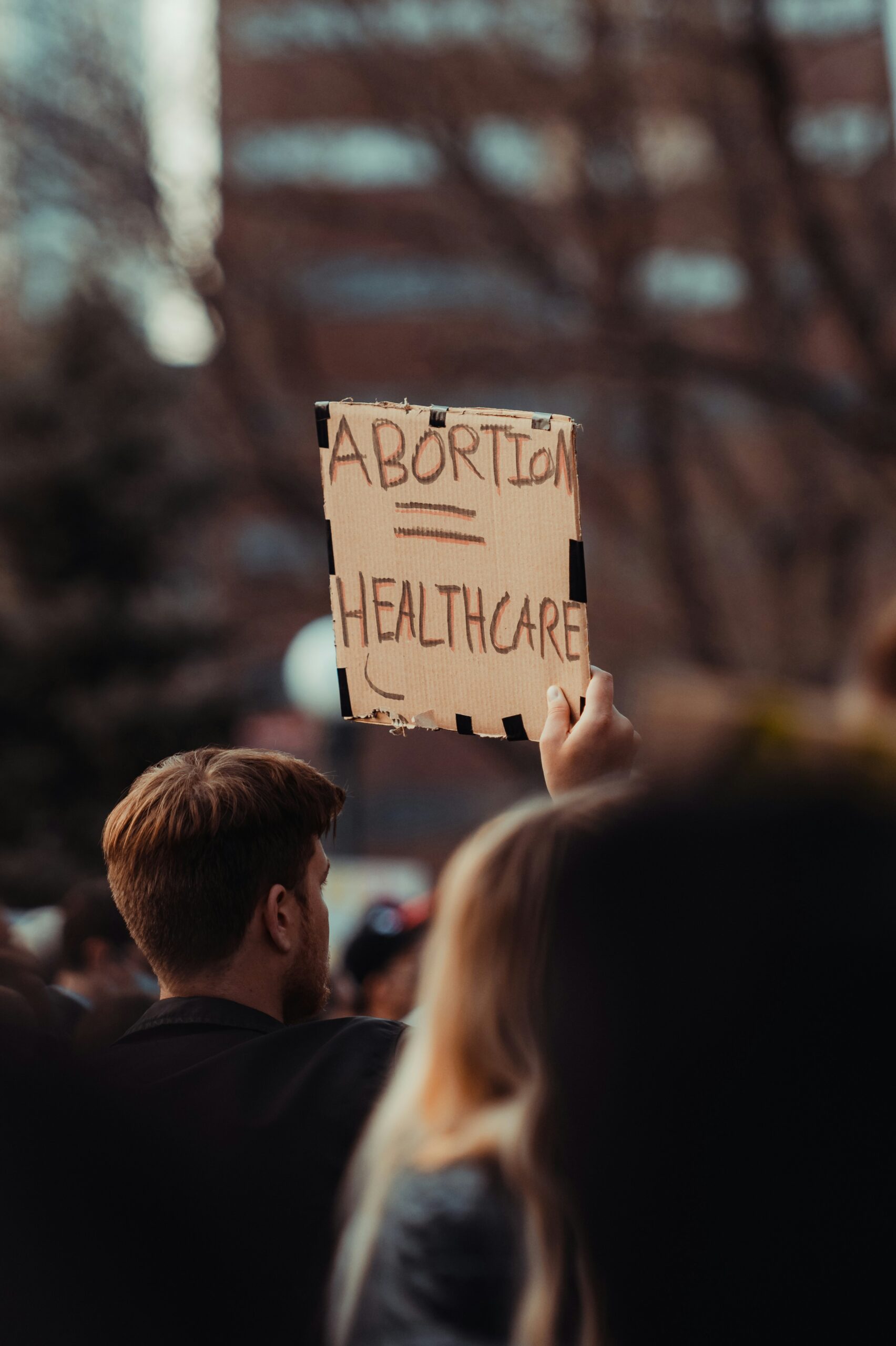
Wisconsin Supreme Court Strikes Down 1849 Abortion Ban

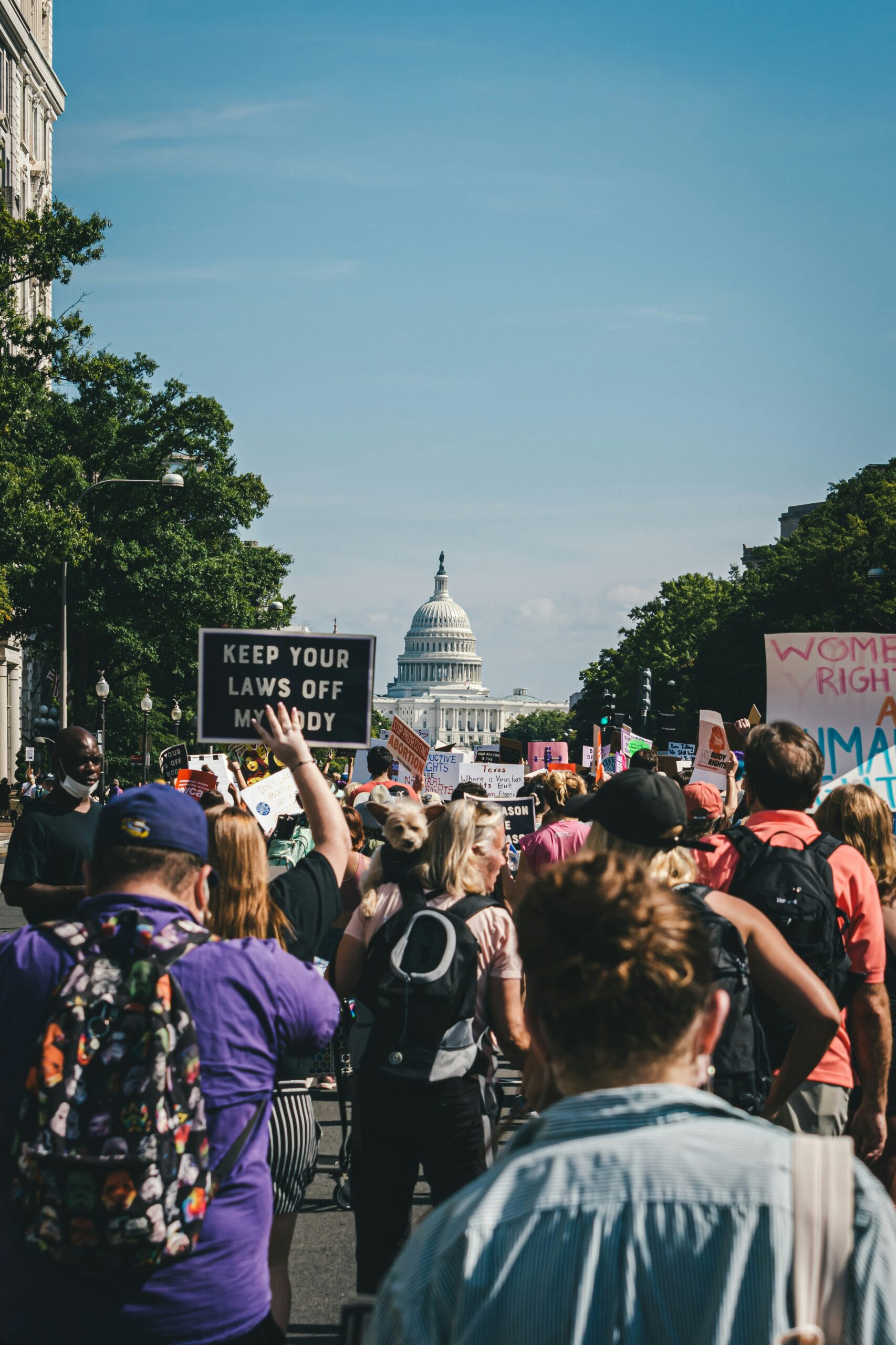
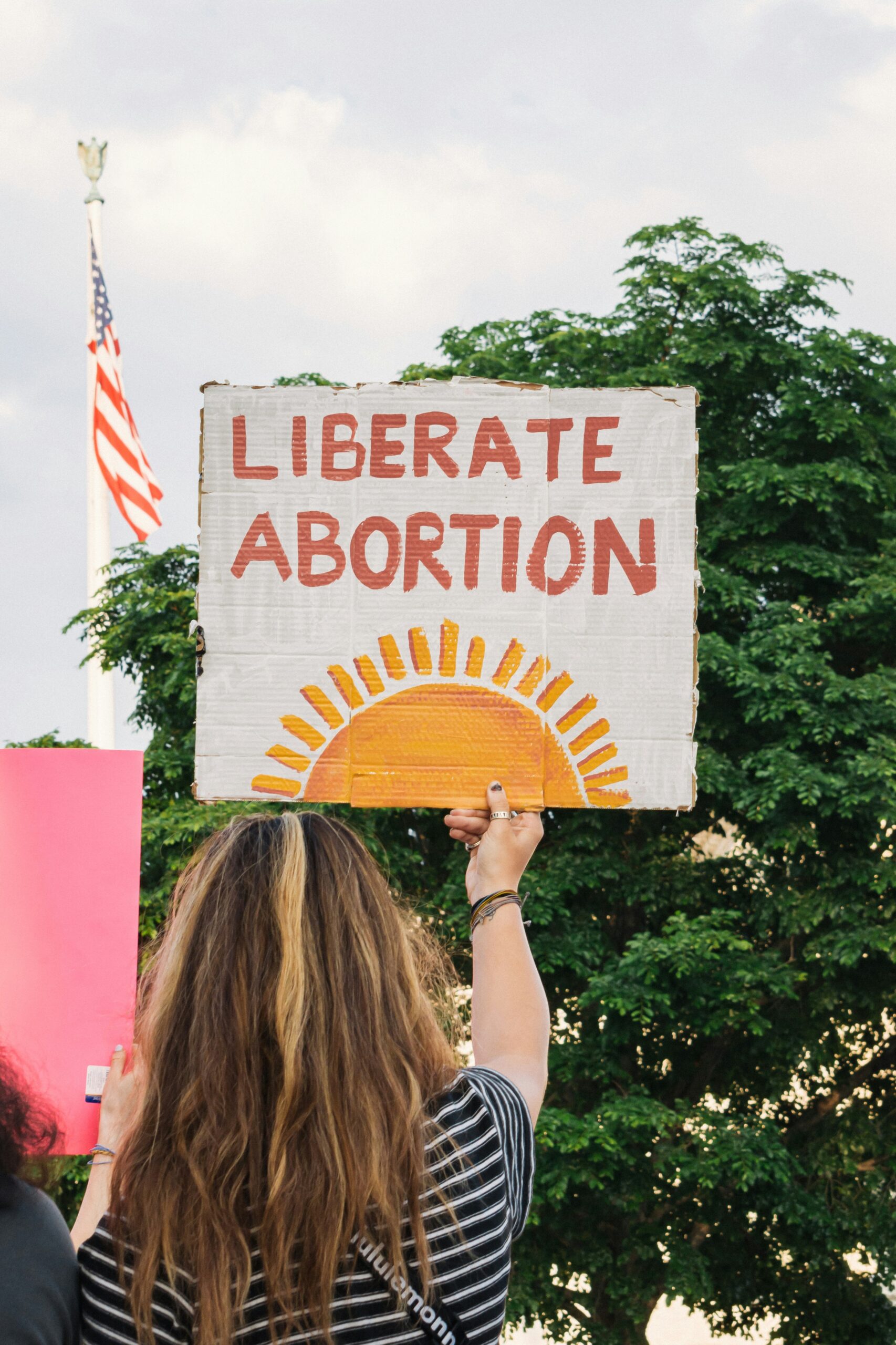
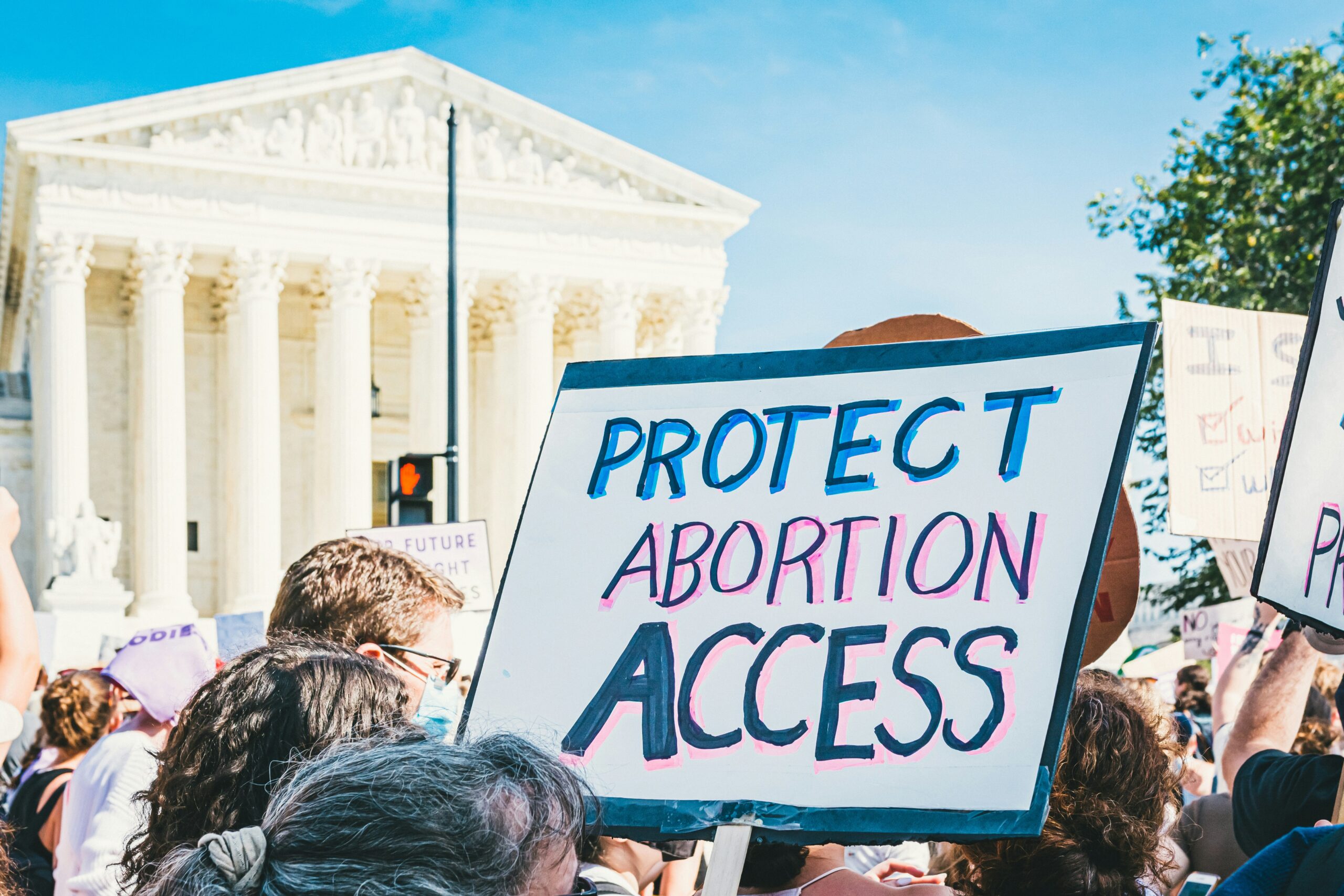
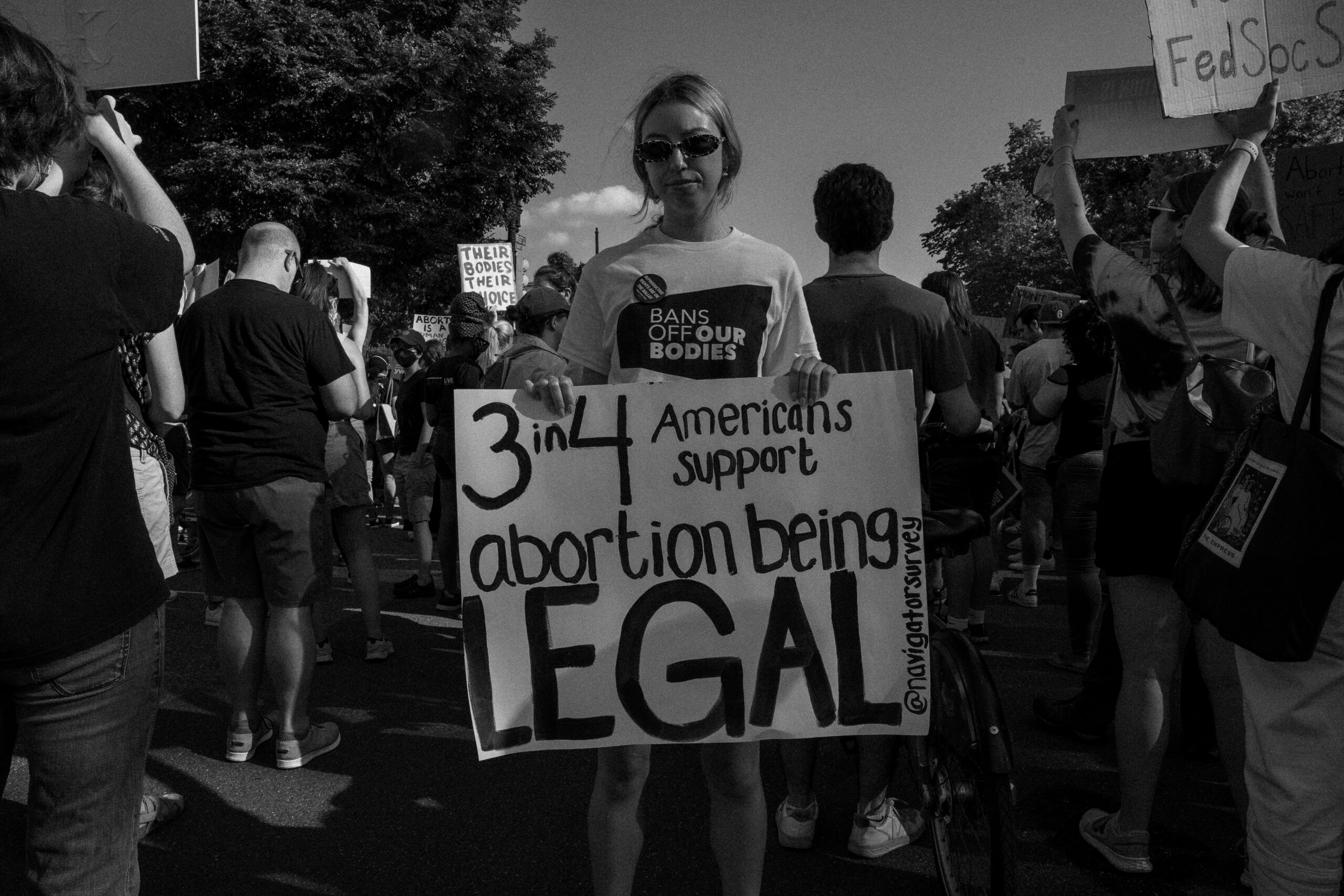
Wisconsin’s Supreme Court has struck down one of the country’s oldest abortion bans, a major win for reproductive rights in a state where access has been under legal threat for years.

In a 4–3 decision released July 2, the court’s liberal majority ruled that the 1849 statute banning nearly all abortions is no longer enforceable. Writing for the majority, Justice Rebecca Dallet said that more recent abortion laws passed by the Wisconsin Legislature “completely conflict” with the older ban and have effectively replaced it.

The 1849 law had been on the books for over 170 years and made it a felony for doctors to perform abortions unless the pregnant person’s life was in danger. It hadn’t been enforced in decades until the overturning of Roe v. Wade in 2022. After the Dobbs decision, abortion providers in Wisconsin paused services out of fear they could be prosecuted under the old statute. While a lower court judge later found the law only applied to “feticide” in cases of violence against pregnant people, the legal uncertainty remained until this ruling.

With the ban now struck down, abortion is once again legal in Wisconsin up to the point of fetal viability, typically around 20 weeks. The ruling also allows providers to continue offering care without fear of criminal charges, marking a shift after years of confusion and legal uncertainty.

The lawsuit was brought by Attorney General Josh Kaul, who argued that newer abortion laws, including a 1985 statute regulating abortions after viability, made the 1849 ban obsolete. The court agreed. Dallet wrote that enforcing both laws at once would be “completely contradictory.”

Planned Parenthood of Wisconsin, which resumed abortion care last year following the lower court ruling, welcomed the decision. In a statement, President and CEO Tanya Atkinson called it “fuel for our work,” and said the organization would keep fighting to expand access across the state.

This victory is also a reflection of the power of judicial elections. In 2023, Wisconsin voters elected Justice Janet Protasiewicz to the state Supreme Court, flipping its ideological balance for the first time in 15 years. She campaigned openly in favor of abortion rights. Her election gave liberals a majority on the court, which ultimately made this ruling possible.

While conservative justices dissented, accusing the majority of judicial activism, the decision was long overdue. It provides relief and direction in a state where legal confusion has jeopardized patient care for years.

Amid a national landscape where abortion access continues to erode, Wisconsin’s decision stands out. It proves that targeted legal challenges, paired with electoral engagement, can lead to lasting change. The fight is far from over, but this ruling is a crucial step forward.

Supreme Court Reopens Challenge to New York Abortion Coverage Rule

The Supreme Court has revived a legal challenge to a New York state regulation that requires employers to cover abortion services in employee health insurance plans. In a brief, unsigned order issued on June 17, the justices instructed a lower court to reconsider the case brought by a group of Catholic organizations, including the Roman Catholic Diocese of Albany. These groups argue that the state’s 2017 insurance mandate violates their religious freedom by forcing them to provide coverage for a procedure they oppose on moral grounds.

The case centers on a New York Department of Financial Services rule that requires most employer health plans to include abortion services, with limited exemptions for religious employers. The Catholic plaintiffs contend that the available exemption is too narrow, excluding faith-based nonprofits like schools and social service agencies. In 2021, a state court upheld the mandate, but the Supreme Court’s new order sends the case back to New York courts to reconsider it in light of a 2023 decision, Groff v. DeJoy, which broadened legal protections for religious accommodations in the workplace.

These types of legal challenges are part of a broader legal movement to expand religious exemptions, which critics argue could limit reproductive healthcare access. While the New York mandate was designed to ensure consistent access to abortion as essential healthcare, especially in a post-Dobbs landscape where state-level protections vary widely, lawsuits like this one highlight the increasing friction between individual rights and institutional religious objections.

Under the current framework, houses of worship may be exempt from the mandate, but affiliated institutions that serve broader, non-religious communities, such as Catholic schools or hospitals, are generally required to comply. The plaintiffs argue this distinction is unfair and unconstitutional, despite the state’s position that its rule strikes an appropriate balance between public health and religious liberty.

The case highlights a growing national trend of using religious liberty claims to restrict access to reproductive care. Although this specific legal battle focuses on insurance coverage, its implications are far-reaching. If successful, it could encourage similar challenges across the country, potentially allowing employers more leeway to deny reproductive healthcare under the guise of religious objection. This poses risks to health access, particularly for low-income women, LGBTQ+ individuals, and people working for faith-affiliated institutions who may not share their employer’s beliefs.

As the legal process unfolds, the outcome will serve as an indicator of how the courts weigh competing claims of religious freedom and reproductive autonomy rights that, increasingly, are being pitted against each other in state and federal policy battles.

Policy Shift at the VA Raises Concerns About Discrimination and Access to Healthcare

The Department of Veterans Affairs has made a quiet but significant change to its hospital bylaws, removing language that explicitly protected patients from being denied care on the basis of political affiliation, marital status, and other personal traits. The change came in response to a January 2025 executive order issued by President Trump, titled “Defending Women from Gender Ideology Extremism and Restoring Biological Truth.”

For years, VA hospital bylaws included a specific list of protected classes, including categories that go beyond what is codified in federal law. That list is now gone. In its place is a broader statement that bans discrimination based on “any legally protected status,” a phrase that legal experts say narrows the VA’s obligations and could allow care to be denied based on categories not explicitly covered by federal law.

The change was not publicized by the VA and only came to light after internal documents were obtained by journalists. In the weeks since, lawmakers, medical ethicists, and veterans’ organizations have raised concerns about what this means for patients, especially those who are unmarried, LGBTQ+, or politically active. Former VA Under Secretary Dr. Kenneth Kizer warned that the revised policy creates a dangerous gap. “There is nothing in this guidance now that stops someone from refusing to treat a person because they are not married, because they’re a Democrat, or for any number of other reasons not covered under federal law,” he told reporters.

The VA maintains that the change does not alter how patients are treated in practice. In a statement to Military.com, officials emphasized that veterans are still protected by Title 38 and other federal civil rights laws. A spokesperson said, “Veterans will continue to receive the care they deserve.” The VA also argued that the bylaws were updated to align internal policy with federal standards. However, the original list of protected classes, including political affiliation and marital status, had been included for a reason: to make those protections unambiguous in VA facilities.

Lawmakers like Senator Patty Murray (D-WA) have objected to the revisions, calling them “appalling and un-American.” She has demanded that the VA restore the full list of protections to ensure no veteran is denied care based on personal identity or political belief.

Medical professionals are also raising concerns. Dr. Arthur Caplan, a bioethicist at NYU, called the change “extremely disturbing and unethical” and warned that it allows personal ideology to interfere with medical judgment. The American Medical Association noted that all hospital bylaws must remain consistent with ethical care and nondiscriminatory treatment standards.

Women and LGBTQ+ veterans may face the greatest harm under the new policy. These groups already report higher levels of discrimination and delayed care within the VA system. Many rely on VA hospitals as their primary source of care, particularly in rural or low-income areas. Without explicit protections in place, it becomes easier for providers to deny treatment to those whose identities or beliefs they disagree with.

While the American Legion reported that VA officials have privately reassured them that veterans will not be turned away, written policy is ultimately what governs care. Without firm language, enforcement becomes inconsistent and harder to challenge.

The story has drawn international attention. Coverage from The Economic Times highlights growing concern that the VA’s updated stance could set a precedent for politicizing medical care.

This VA policy change reflects a broader trend of ideological efforts to reshape federal institutions. As attacks on DEI programs, reproductive healthcare, and gender-affirming care continue, this shift in VA bylaws quietly removes one more layer of protection for vulnerable groups. What happens in policy language has real consequences, especially for veterans who already face structural barriers to care. Women, LGBTQ+ people, and those who have historically been underserved should not be forced to wonder whether their identity or politics will affect whether they receive treatment.

Rep. Kat Cammack’s Ectopic Pregnancy Highlights the Dangers of Florida’s Abortion Laws

Kat Cammack, a Republican congresswoman representing Florida’s 3rd district, recently found herself at the center of a national conversation surrounding abortion access after experiencing a life-threatening ectopic pregnancy. Cammack’s experience has brought renewed attention to the consequences of restrictive abortion legislation in Florida, highlighting the complexities surrounding reproductive healthcare in the state.

In April, Cammack experienced severe abdominal pain during an event in her district. Initially hesitant to seek medical attention, she eventually required emergency surgery after doctors discovered she had an ectopic pregnancy, a condition in which a fertilized egg implants outside the uterus, making pregnancy non-viable and incredibly dangerous. According to the Mayo Clinic, if the fertilized egg implants and grows in the fallopian tube, it can cause the tube to rupture — a life-threatening event for the pregnant person. Despite the severity of this condition, strict abortion laws in Florida have made healthcare providers cautious, leading to confusion over what constitutes permissible emergency care.

Following her health crisis, Cammack publicly criticized Democrats, asserting that healthcare providers’ confusion over Florida’s abortion restrictions stems from a political campaign to generate fear. She claimed that this uncertainty, rather than the law itself, endangered her life. Her stance has sparked controversy, with many arguing that her criticism deflects from the underlying issue: overly restrictive abortion laws create dangerous ambiguity for medical professionals and patients.

Cammack’s legislative history demonstrates her consistent support for anti-abortion measures. In January 2025, she voted in favor of H.R. 21, the Born-Alive Abortion Survivors Protection Act, which passed the House on a 220-210 vote. The bill mandates medical care for infants born alive after abortion attempts and includes criminal penalties for healthcare providers who fail to comply.

Florida’s six-week abortion ban includes limited exceptions for life-threatening conditions. Still, it remains vague enough to cause medical providers to second-guess their legal safety when performing procedures related to miscarriage or ectopic pregnancies. Medical professionals have reported increased caution, often waiting until a patient’s condition significantly worsens before intervening.

While Cammack attributes the blame to her political opponents, the real issue lies in legislative language itself. Her situation is not unique; patients across the state report delays in treatment due to healthcare providers’ fears of prosecution, putting their health at severe risk.

This incident illustrates how even lawmakers who support restrictive abortion measures can become vulnerable to the consequences. Cammack’s experience highlights the importance of clear guidelines in reproductive healthcare legislation and the direct impact such laws have on women’s health and safety.

Ultimately, the ongoing debate over Florida’s abortion laws demonstrates how political rhetoric often obscures urgent health risks faced by women. Cammack’s own experience serves as a reminder that reproductive rights and access to timely medical care should transcend partisan divides, highlighting the necessity for clear, medically informed policies.

Three Years of Dobbs: Mapping the Post-Roe Reality

Three years after the Supreme Court overturned Roe v. Wade in Dobbs v. Jackson Women’s Health Organization, the effects on abortion access and reproductive healthcare are significant and ongoing. The decision allowed states to set their own abortion laws, leading to bans and restrictions in more than a dozen states. At the same time, states where abortion remains legal have seen increases in demand, clinic wait times, and telehealth services.

Despite increased restrictions, the overall number of abortions in the U.S. rose after Dobbs. According to new data, about 1.1 million abortions were provided in 2023. Much of the increase came from states that expanded access, as well as from the growth of medication abortion by mail and telehealth. In states with bans, many patients are now traveling long distances or relying on providers in other states to access care

The increase in out-of-state travel and telehealth does not mean access is equal. According to the Guttmacher Institute, many clinics that previously offered comprehensive reproductive healthcare have closed, including some in states where abortion is still legal. These closures have reduced access to services like birth control, STI testing, and cancer screenings, especially for low-income patients and those in rural areas.

There are also ongoing effects on healthcare providers. Medical students and OB-GYN residents in states with abortion bans have fewer training opportunities, and many providers are unsure about what care they can legally offer in emergencies. A 2025 survey of clinicians found that fear of legal consequences has delayed treatment in cases involving miscarriage and other pregnancy-related complications.

The political impact of Dobbs remains visible. Public support for legal abortion remains high, and abortion policy was a central issue in the 2024 election. Lawmakers in protective states have passed legislation to safeguard access, while those in states with bans are pushing for more restrictions. Some lawmakers are now distancing themselves from the decision, as polling shows it is unpopular with many voters.

In the longer term, experts warn that the legal reasoning behind Dobbs could be used to challenge other rights related to privacy and bodily autonomy. Some anti-abortion groups have signaled interest in limiting access to contraception, in vitro fertilization, and gender-affirming care. Ongoing lawsuits may also determine how states treat cross-border abortion care and whether they can prosecute providers or patients who travel for services. 

Guttmacher researchers have described the consequences of Dobbs as widespread and ongoing. In a 2024 report, they concluded that the decision is contributing to clinic closures, reduced access to care, and worsening health outcomes, particularly for vulnerable populations

As these changes continue to unfold, the future of reproductive healthcare in the U.S. will likely depend on state-level policymaking, court rulings, and federal elections. For now, access to abortion and related services remains deeply uneven, shaped by geography, income, and legal uncertainty.

Public Health Experts Alarmed by CDC Advisory Committee Overhaul

On June 9, 2025, Health and Human Services Secretary Robert F. Kennedy Jr. dismissed all 17 members of the CDC’s Advisory Committee on Immunization Practices (ACIP), the independent panel responsible for making evidence-based vaccine recommendations in the United States. Kennedy cited concerns over “conflicts of interest” and a need to restore public confidence in vaccine policy.

But the decision has triggered criticism among public health experts, who view it as a politicized attempt to undermine scientific consensus on immunization. As reported by the New York Times, many of the fired advisers had decades of experience and had helped guide the country through major disease outbreaks, including COVID-19 and mpox.

In the days following the dismissal, Kennedy appointed a new slate of ACIP members, many of whom have built careers as critics of mainstream vaccine science. The new panel includes figures like Dr. Robert Malone, who has been widely criticized for spreading mRNA vaccine misinformation, and Dr. Martin Kulldorff, a co-author of the controversial Great Barrington Declaration, a document criticized by many in the scientific community for promoting herd immunity through mass infection during the COVID-19 pandemic. Another appointee, Vicky Pebsworth, has ties to the National Vaccine Information Center, an organization that public health officials have labeled as a source of vaccine skepticism.

These selections have sparked concern across the medical and scientific community. As PBS NewsHour noted in an interview with former CDC Director Dr. Tom Frieden, the panel’s independence is essential to ensuring that vaccine recommendations remain rooted in evidence rather than ideology. “Stacking the committee with skeptics,” Frieden warned, “risks undoing decades of progress in disease prevention.”

The Advisory Committee on Immunization Practices plays a critical role in safeguarding public health. Its recommendations influence childhood vaccine schedules, school immunization requirements, and insurance coverage policies. According to NPR, the committee has historically operated through transparent, peer-reviewed analysis and public meetings, balancing risk and benefit to recommend vaccines for the general population.

The timing of this overhaul is concerning to critics. In May, the CDC reported that at least 216 children died during the 2024–2025 flu season, the highest number of pediatric flu deaths in over 15 years. Vaccine uptake for both flu and routine childhood immunizations has been declining in recent years, due in large part to the growing influence of misinformation. The removal of qualified experts and their replacement with vaccine skeptics may contribute to this trend, leaving communities more vulnerable to preventable diseases.

The public health consequences of vaccine misinformation are well-documented. A 2022 study published in Nature Human Behaviour found that exposure to vaccine misinformation significantly reduced individuals’ willingness to vaccinate, with effects persisting even after participants were presented with corrective information. Misinformation thrives in environments where public trust is already low, and its spread on social media has been linked to declines in vaccination rates for diseases like measles, HPV, and COVID-19.

When government actions, like the firing of the ACIP, appear to disregard scientific expertise, they can reinforce fringe narratives and erode public trust in health guidance. This is particularly harmful for children, immunocompromised people, and communities of color, who are already disproportionately impacted by public health inequities. This restructuring of the CDC’s vaccine advisory committee undermines the foundations of science-based health policy.

House Judiciary Committee Advances Bill to Repeal FACE Act

On June 10, the House Judiciary Committee voted 13–10 to advance H.R. 589, which would repeal the Freedom of Access to Clinic Entrances (FACE) Act. Enacted in 1994 with bipartisan support after a wave of violent attacks, including the murder of abortion provider Dr. David Gunn, the law makes it a federal crime to use force, threats, or physical obstruction to block access to reproductive health facilities, places of worship, or crisis pregnancy centers. 

“We are considering this legislation for one reason,” said Rep. Chuy Garcia (D-IL), “to green light violence against abortion care in this country.”

Supporters of the repeal bill, including Rep. Chip Roy (R‑TX), argue the FACE Act is being misused against anti-abortion extremists. Rep. Roy claimed that “a peaceful grandmother spent years in prison for praying,” referring to extremist Eva Edl, who was arrested and charged with blocking access to a Tennessee clinic. The lawmakers also pointed to instances of vandalism at anti-abortion centers and churches following Dobbs, claiming these have not received the same level of federal attention as attacks on abortion clinics.

However, the Department of Justice has prosecuted multiple cases under the FACE Act targeting threats against crisis pregnancy centers. In one recent case, three individuals were charged after admitting to defacing several centers with threatening messages.

The lawmakers supporting the FACE Act noted that every effort to challenge the act in court has failed. “There has been a coordinated attack on the FACE Act since it was passed, it was even mentioned in Project 2025,” said Rep. Mary Gay Scanlon (D-PA). But the act has been repeatedly upheld by the Supreme Court, and lawmakers like Rep. Jamie Raskin (D‑MD) and Rep. Jerry Nadler (D‑NY) emphasized that it regulates conduct, not prayer or speech. “No one is being arrested for praying,” Rep. Scanlon added.

Data collected by the National Abortion Federation show the law’s impact on provider and patient safety. Since the passage of the FACE Act, anti-abortion violence decreased by nearly 30%. However, NAF has reported significant increases in clinic disruptions following Dobbs, including a 229% spike in stalking incidents, a 231% rise in clinic invasions, and a doubling of assault reports from 2021 to 2022. The FACE Act remains one of the few federal tools aimed specifically at addressing those threats.

Some Republicans, such as Rep. Tom McClintock (R‑CA), acknowledged that the law is “viewpoint neutral,” noting it applies equally to abortion clinics, crisis pregnancy centers, and religious institutions. “Biden did abuse this act,” argued Rep. McClintock, “but it protects everyone, pro-life or pro-abortion.” He called for reform over repeal to ensure fair enforcement. Others, like Rep. Jeff Van Drew (R-NJ), labeled the law as federal overreach, claiming that state laws are sufficient. “We already have laws to stop violent acts,” said Rep. Van Drew. 

Repealing the FACE Act would remove a critical layer of protection at a time when threats and violence against reproductive health providers are rising. The law was enacted in response to local law enforcement’s failure to respond consistently to politically motivated attacks. Without it, there would be no uniform federal standard to prevent obstruction and intimidation, leaving providers and patients vulnerable to the same dangers that necessitated the law in the first place. “The act was needed in the first place because doctors were murdered,” said Rep. Becca Balint (D-VT), “if we repeal this, we are headed right back to that state of lawlessness.”

Now heading to a full House vote, H.R. 589 would dismantle a key federal safeguard. Data and legal precedent affirm that the FACE Act continues to play a vital role in protecting access, without limiting peaceful protest or speech.

As Rep. Hank Johnson (D-GA) put it during the mark up, “let’s not continue to play politics with women’s reproductive health.”

Forced Birth After Death: The Cruel Reality of Georgia’s Abortion Law

In Georgia, 30-year-old nurse and mother, Adriana Smith, has become the latest victim of extremist abortion laws that dehumanize women under the guise of protecting life. After suffering a massive brain hemorrhage while nine weeks pregnant, Smith was declared brain-dead in February. But due to Georgia’s restrictive six-week abortion ban, she has remained on life support for months, solely to allow the fetus to potentially reach viability.

Her family, devastated and powerless, was told by doctors that ending life-sustaining treatment was not an option because of the state’s abortion law. Smith’s body, now legally dead, continues to be maintained.

Georgia’s 2019 “heartbeat law,” known as H.B. 481, bans abortion as soon as fetal cardiac activity can be detected, often before many people even realize they are pregnant. After Roe v. Wade was overturned in 2022, the law went into effect, dramatically limiting reproductive freedom across the state. The law contains vague language and no clear guidance for situations like Smith’s, where the pregnant patient is already deceased but the pregnancy remains viable.

The law does allow for abortion in cases where the pregnant person’s life is at risk, but in Smith’s case, doctors interpreted the law to mean that the death of the woman does not justify ending the pregnancy.

The consequences are serious. As Smith’s mother told reporters, “My daughter is gone. And now we’re forced to sit here and hope a 21-week-old fetus survives inside a dead woman’s body.”

This is not an isolated tragedy. It’s part of a broader right-wing movement that uses state power to control women’s bodies and force pregnancies under any circumstances. Since the fall of Roe v. Wade, states like Georgia have advanced abortion bans that redefine personhood and criminalize care—even in emergencies. Georgia’s H.B. 481, for example, recognizes embryos as “natural persons,” creating legal confusion that endangers both patients and providers.

Across the country, anti-abortion lawmakers have introduced more than 1,000 abortion restrictions since 2021, including bans on medication abortion, mandatory reporting requirements, and laws that allow civil lawsuits against providers and helpers. These policies are not about protecting life—they are about enforcing a coercive model of forced motherhood.

Meanwhile, clinics are closing or turning away patients experiencing miscarriage complications or nonviable pregnancies out of fear of prosecution. In states like Texas, physicians have delayed care until patients develop sepsis or other life-threatening conditions, leading to lasting harm and, in some cases, death. These are not unintended consequences, they are the foreseeable outcomes of an agenda that values ideology over bodily autonomy.

Adriana Smith’s story highlights the urgent need to reframe the national conversation away from abortion as a legal technicality and toward reproductive justice as a human right. Reproductive justice, a framework developed by Black feminist activists, demands not only the right to have an abortion, but the right to bodily autonomy, the right to have children if and when we choose, and the right to raise families in safe, healthy environments.

Smith was denied all of these. She cannot speak for herself, and now her body is being used as a vessel for forced birth, despite being legally dead.

If policymakers were truly invested in protecting life, they would ensure access to comprehensive reproductive care, not criminalize it. They would pass federal protections for abortion access, expand maternal health programs, and guarantee the right to die with dignity.

Instead, extremists are using laws like Georgia’s to promote a dystopian vision of “pro-life” that reduces women to wombs, regardless of consent, health, or even life itself.

We must demand better. Adriana Smith’s family should not have to fight the state for the right to say goodbye. No one should.

Manufactured Motherhood: Trump’s Pronatalism Agenda and the Erosion of Reproductive Rights

As the Trump administration moves into its second term, a new cultural agenda has emerged: one focused on reversing the country’s declining birthrate through a series of pronatalist policies. Behind the scenes, the White House has been entertaining proposals ranging from cash “baby bonuses” to government-funded fertility education programs. Though framed as efforts to support American families, these proposals reflect a regressive vision that prioritizes a narrow model of marriage and childbearing, while sidelining reproductive freedom.

This agenda closely aligns with the Heritage Foundation’s Project 2025, a policy blueprint that calls for restoring the traditional nuclear family as the “cornerstone” of American society. While some conservatives see this push as a necessary response to falling fertility rates, the movement’s underlying assumptions often conflict with the principles of reproductive justice. The Trump administration is promoting a specific family ideal centered on heterosexual marriage and large families, rather than supporting people’s rights to make informed decisions about if, when, and how to parent.

According to a recent investigation by The New York Times, White House officials have received policy proposals that include reserving 30 percent of Fulbright scholarships for married applicants or those with children, issuing a $5,000 “baby bonus” to new mothers, and promoting menstrual cycle tracking programs to encourage fertility awareness. The administration is also preparing a report expected in May with recommendations to make in vitro fertilization more affordable and accessible. While some members of the pronatalist movement support IVF, others—especially religious conservatives—oppose it because it may involve the destruction of embryos.

Prominent figures in this effort include Vice President J.D. Vance and Elon Musk, both of whom have called for a renewed American “baby boom.” At a 2024 anti-abortion rally, Vance told supporters he wanted to see more “beautiful young men and women” raising children. Musk has argued that declining birth rates threaten the future of civilization and has fathered several children through IVF. These leaders are joined by conservative activists who have submitted their own proposals to the White House, including a draft executive order to create a “National Medal of Motherhood” for women with six or more children.

But many of these proposals reward only a specific kind of family. They privilege married, heterosexual couples and reflect an ideology that sees a woman’s highest contribution to society as motherhood. Activist Simone Collins, who helped author the “Motherhood Medal” idea, argued that family values under Trump are stronger than they were under Biden, citing the number of children Trump officials have and their public appearances with them. This kind of rhetoric reduces family life to a symbol of cultural identity rather than a lived reality shaped by economic and healthcare conditions.

The pronatalist rhetoric from the administration has not been matched with investment in the systems that actually support maternal and reproductive health. In early April, the Department of Health and Human Services cut funding to the CDC’s Division of Reproductive Health, which monitors trends in IVF and maternal outcomes. Around the same time, the administration froze over $65 million in grants through the Title X program, leading to clinic closures and reduced access to contraception, STI screening, and prenatal care.

These cuts reveal a disconnect between the administration’s stated desire to support families and its policy decisions. Encouraging women to have more children while reducing their access to basic reproductive healthcare is both contradictory and dangerous. A truly supportive family policy would expand access to prenatal services, contraception, maternal leave, and postpartum care. Instead, the Trump administration appears more interested in symbolic gestures than in building infrastructure that could improve health outcomes.

The administration’s proposals risk incentivizing childbearing without addressing parents’ social, economic, and medical needs. A cash “baby bonus” may appeal to some families, but it does not replace the need for paid leave, affordable childcare, or healthcare coverage. Worse, these bonuses may pressure women into having children without adequate support systems. They also exclude single parents, LGBTQ+ families, and people who choose not to have children.

Several of the administration’s allies have promoted fertility tracking programs as a solution to infertility, reflecting religious and ideological motivations rather than scientific ones. Emma Waters, a policy analyst at the Heritage Foundation, has called for the NIH to fund studies on “natural fertility” and has urged schools to implement menstrual cycle education that discourages hormonal birth control. Fertility awareness programs can help some women understand their reproductive cycles. Still, they are not a substitute for comprehensive reproductive healthcare and should never be promoted as a one-size-fits-all alternative to medical treatment.

Medical professionals have criticized this approach. Dr. Eve Feinberg of Northwestern University warned that equating fertilized embryos with children is “nonsensical” and “dangerous,” noting that such policies carry “grave consequences” for reproductive health. She has argued that reproductive policy must be grounded in science rather than ideology and has raised concerns about the growing influence of religious beliefs on medical decisions around infertility and IVF.

The reproductive justice framework, developed by Black women organizers in the 1990s, provides a powerful alternative to the administration’s narrow vision. Reproductive justice affirms not just the right to abortion and contraception, but also the right to have children and to raise them in safe, sustainable environments. It is built on the principle that every person should have the resources and support to make decisions about their reproductive lives without coercion or discrimination.

If the Trump administration was serious about supporting families, it would strengthen programs like Title X, restore the expanded Child Tax Credit, pass universal paid leave, and guarantee access to affordable healthcare and childcare. Instead, its policies prioritize marriage and childbirth in a way that marginalizes millions of Americans and reinforces inequality.

Pronatalism may be marketed as a way to revitalize the country, but when it excludes, coerces, or penalizes people for their personal choices, it fails to serve the very families it claims to uplift. True family policy must begin with trust in individuals to shape their own futures. Reproductive justice means defending the right to have a child, the right not to, and the right to parent in dignity,  not only for some, but for all.

Deported Without Warning: How Dr. Rasha Alawieh’s Case Signals a Dangerous Shift in Immigration Policy

The recent deportation of Dr. Rasha Alawieh, a distinguished kidney transplant specialist and assistant professor at Brown University, has ignited a storm of controversy, highlighting the Trump administration’s aggressive stance on immigration and its apparent disregard for judicial authority. Dr. Alawieh, a Lebanese national holding a valid H-1B visa, was expelled from the United States despite a federal judge’s explicit order barring her removal. This move not only undermines the rule of law, but also raises serious concerns about the administration’s targeting of individuals based on their personal beliefs and associations.

Upon her return to the U.S. from Lebanon, where she attended the funeral of Hezbollah leader Hassan Nasrallah, a figure she reportedly admired for religious reasons, Dr. Alawieh was detained at Boston’s Logan International Airport. Customs and Border Protection (CBP) agents cited “sympathetic photos and videos” of Hezbollah figures found on her phone as justification for her deportation, questioning her intentions in the U.S. This rationale is deeply troubling, as it suggests that personal religious affiliations and private digital content can be arbitrarily used to revoke one’s legal status and expel them from the country.

More alarming is the administration’s defiance of a federal court order. U.S. District Judge Leo Sorokin had issued an order requiring 48 hours’ notice before any action was taken against Dr. Alawieh, scheduling a hearing to assess her case. However, CBP proceeded with her deportation before the court’s directive could be enforced, effectively sidelining the judiciary’s role as a check on executive power. This act sets a dangerous precedent, signaling that the administration is willing to bypass legal protocols and erode foundational democratic principles to advance its hardline immigration agenda.

The implications of Dr. Alawieh’s deportation extend beyond her personal plight. Her colleagues have voiced outrage over the loss of a vital medical professional, emphasizing the detrimental impact on patient care and the academic community. Dr. Susie Hu highlighted that Dr. Alawieh is one of three transplant nephrologists in the entire state of Rhode Island.” Furthermore, this incident contributes to a climate of fear among international scholars and professionals, who may now perceive the U.S. as a hostile environment where their legal rights and contributions are undervalued.

This case also reflects a broader pattern of the administration’s disregard for judicial oversight in immigration matters. Similar instances, such as the mass deportation of alleged gang members to El Salvador despite a judge’s order halting the flights, reveal a troubling trend of executive overreach. Such actions not only violate individual rights, but also threaten the balance of power that is essential to a functioning democracy.

In light of these developments, it is important to question the ethical and legal ramifications of using personal beliefs and associations as grounds for deportation. The administration’s actions against Dr. Alawieh raise concerns about potential infringements on freedom of thought and expression, particularly when such beliefs do not translate into unlawful conduct. 

The deportation of Dr. Rasha Alawieh is a clear example of government overreach and the dangers of unchecked power. She was removed from the country before a judge’s order could even take effect, sending a message that legal status alone isn’t enough to protect immigrants when the administration decides otherwise. Now, universities like Brown are warning international students and faculty to reconsider travel, knowing that even those who follow the rules can be expelled without warning. As the administration pushes stricter immigration policies, the judiciary, civil society, and the public must hold it accountable to ensure the law is applied fairly and without political bias.

Trump Signs Executive Order to Dismantle the Department of Education: Here’s What’s at Stake

The Trump administration’s latest target is the U.S. Department of Education. Through a new executive order, the administration has taken the first formal steps toward dismantling the agency entirely, a long-standing goal of the American far right. On paper, this is about “reducing federal overreach.” In reality, it’s about stripping away the federal government’s role in guaranteeing access to education, especially for students who are already pushed to the margins.

Established in 1979, the Department of Education is responsible for administering federal student aid, enforcing civil rights laws in schools, collecting national education data, and distributing critical funding to schools in under-resourced communities. Without it, responsibilities would shift to individual states, many of which have already proven unwilling to uphold equitable education policies, particularly those that support students with disabilities, LGBTQ+ youth, and communities of color. Removing the Department does not mean education becomes more “local.” It means the federal government steps back from ensuring equal opportunity for all students.

Trump’s proposed budget cuts are already a preview of what’s to come. Title I funding, which supports schools with high percentages of students from low-income families, is on the chopping block. So are programs for English learners, students with disabilities, and community schools that offer wraparound services. The message is clear: if you don’t come from wealth or privilege, you’re not a priority.

The executive order also threatens student borrowers. Right now, the Department oversees over $1.6 trillion in federal student loans. Dismantling the agency could shift oversight to the Treasury Department — an institution with no existing infrastructure for servicing borrowers and little transparency. According to reporting from NBC, the administration has offered no clear plan for how it would handle student aid, only vague promises to “streamline” a system that millions depend on.

And there’s an even deeper concern: civil rights enforcement. The Department of Education’s Office for Civil Rights plays a vital role in investigating discrimination in schools, including sexual harassment under Title IX, racial disparities in discipline, and barriers to access for students with disabilities. Eliminating the Department would all but erase this federal oversight. As the Associated Press reports, Trump’s team has made no commitments to preserving these protections.

These policy changes do not exist in a vacuum. They are part of a broader political project, one that seeks to defund public institutions, reassert local control in unequal systems, and make it harder for low income, working-class, and marginalized students to access opportunity. 

The consequences of this shift would fall hardest on those already underserved: students of color in underfunded schools, disabled students in need of accommodations, young people navigating anti-LGBTQ+ school environments, and the millions of borrowers trying to make sense of an already-complicated loan system. 

The administration’s attempt to dismantle the Department is more than a policy debate. It’s a reflection of what kind of future is being imagined, and for whom. Without strong federal safeguards, the gap between who has access to education and who does not will only grow wider. And those of us who believe education is a public good, not a private privilege, have a responsibility to push back.

Trump’s National Park Agenda: Firing Rangers and Fast-Tracking Oil Drilling

Trump’s administration is ramping up efforts to open national parks and public lands to oil and gas drilling while simultaneously firing probationary park rangers. In recent weeks, the National Park Service (NPS) has dismissed employees still within their probationary period, a decision that some see as part of a broader restructuring designed to weaken internal opposition to extractive policies. These firings are taking place alongside an aggressive push to expand drilling in and around protected lands, leading to widespread concerns about the long-term consequences for conservation efforts and tourism economies.  

The administration’s strategy appears to be twofold: removing potential opposition within the NPS while fast-tracking drilling permits and regulatory rollbacks that favor the oil industry. According to reports, the firings disproportionately affected employees who were seen as conservation-focused or who had raised concerns about the environmental impact of drilling projects. This follows a pattern of restructuring within federal land management agencies, where leadership roles have been increasingly filled by individuals with direct ties to the fossil fuel industry.  

Kathleen Sgamma, a longtime advocate for oil and gas development, is Trump’s pick for the next director of the Bureau of Land Management (BLM) and NPS. Sgamma, who has spent years lobbying for the expansion of fossil fuel extraction on public lands, now plays a key role in guiding decisions that impact national parks and federal lands. Her influence has helped ensure that drilling leases are expedited, environmental reviews are weakened, and protections for wildlife and ecosystems are rolled back.  

The Trump administration has made it easier than ever for oil and gas companies to operate within or near national parks. New drilling sites have been approved in close proximity to some of the country’s most treasured landscapes, including Grand Teton and Canyonlands National Parks. Environmental groups warn that these policies threaten air and water quality, disrupt wildlife habitats, and could lead to long-term degradation of these protected areas. Despite public opposition, the administration continues to push forward, citing economic benefits and energy independence as justifications for increased drilling.  

Beyond the environmental risks, Trump’s policies also pose a significant economic threat to communities that depend on national park tourism. Parks like Yellowstone, Yosemite, and the Great Smoky Mountains generate billions of dollars annually for local businesses, supporting hotels, restaurants, and outdoor recreation industries. However, industrializing these areas with oil rigs, pipelines, and heavy machinery could deter visitors and lead to economic decline in gateway communities that rely on park tourism. While the administration claims that fossil fuel extraction will create jobs, many argue that the long-term economic benefits of tourism far outweigh the short-term gains of drilling.  

The recent firings at the NPS signal a troubling trend: a deliberate effort to remove conservation-minded staff in favor of those who will not challenge Trump’s pro-drilling agenda. This, combined with the rapid expansion of oil and gas operations on public lands, paints a bleak picture for the future of national parks. If these policies continue unchecked, the country could see natural spaces transformed into industrial zones, sacrificing conservation and recreation in favor of fossil fuel profits. 

Michelle West Granted Clemency After 31 Years in Prison

Michelle West is finally free after serving 31 years of an unjust double life sentence plus 50 years for a nonviolent drug conspiracy charge. Her clemency is a hard-won victory, led by The National Council for Incarcerated and Formerly Incarcerated Women and Girls, and a testament to the power of relentless advocacy and collective action.  

For years, activists and advocates have fought to bring attention to the extreme sentencing and disproportionate punishment faced by women, particularly Black and Brown women, under the U.S. criminal legal system. Michelle West’s case is just one example of the broader crisis of mass incarceration. While the overall prison population has declined in recent years, the number of incarcerated women has skyrocketed, fueled by harsh sentencing laws, the war on drugs, and policies that criminalize poverty.  

The People’s March played a crucial role in elevating Michelle’s case, proving once again that when we come together and demand justice, change is possible. But the fight isn’t over. Right now, 40 states are building new women’s prisons, and with attacks on reproductive rights and private prison expansion, the pipeline to incarceration continues to grow.  

The National Council is launching the FreeHer Institute to fight back and push for systemic alternatives to incarceration. We must continue advocating for policy changes, supporting organizations that work to free incarcerated women, and investing in solutions that uplift communities rather than criminalize them.  

Michelle West’s release is a moment to celebrate, but it is also a call to action to ensure that no one has to endure the injustice she faced.

RFK Jr.’s Confirmation as HHS Secretary: A Dangerous Setback for Public Health

Robert F. Kennedy Jr. has been confirmed as the next Secretary of Health and Human Services, a move that has alarmed public health experts, medical professionals, and advocates for evidence-based policy. With a 52-48 vote, Kennedy, who has a long history of promoting vaccine skepticism and conspiracy theories, will now oversee the nation’s largest public health agency, putting science-based policymaking at serious risk.  

Kennedy’s confirmation has been met with deep concern from the scientific and medical communities. Dr. Paul Offit, a leading vaccine expert, described it as “terrifying,” warning that his leadership could undermine trust in vaccines and public health initiatives. For decades, Kennedy has spread misinformation about vaccines, falsely linking them to autism and other health issues, claims that have been debunked repeatedly by medical experts and institutions like the CDC and WHO. Now, with control over HHS, he has the power to weaken vaccine requirements, defund key immunization programs, and amplify baseless fears, potentially leading to lower vaccination rates and resurgences of preventable diseases.  

Despite these dangers, major health organizations, including groups like the American Medical Association and large pharmaceutical companies, have remained largely silent. Many fear that openly opposing Kennedy could lead to political retaliation or funding cuts. Instead, these groups are taking a wait-and-see approach, hoping to mitigate damage behind the scenes. However, this inaction could have serious consequences. Allowing Kennedy to push his agenda unchecked could lead to weakened vaccine programs, rollbacks in reproductive health protections, and dangerous misinformation reaching millions of Americans.  

Kennedy has already signaled his intent to challenge long-standing public health policies. In his first speech to HHS employees, he urged staff to question scientific consensus and promised to investigate vaccines, chronic disease, and processed foods, issues that, while important, could be distorted under his leadership.  

One of his first initiatives is creating a presidential commission to examine chronic disease causes, including the rise in ADHD diagnoses and childhood obesity. Nicole Schroeder, an adult ADHD patient, expressed her fears: “People like me rely on medication to function. If RFK Jr. pushes a false narrative that ADHD is overdiagnosed or that medication is harmful, it could lead to policies that make it harder for us to access care.”  

In addition to his stances on vaccines, Robert F. Kennedy Jr.’s stance on abortion has evolved, raising concerns about potential implications for reproductive rights under his leadership. During his confirmation hearings, Kennedy described every abortion as “a tragedy” and agreed with President Trump’s position that states should control abortion laws. He also indicated a willingness to scrutinize the safety of mifepristone, a medication commonly used for abortion, despite its established safety record. This change from his earlier pro-choice stance suggests a potential move toward more restrictive abortion policies, which could limit access to reproductive healthcare services nationwide. 

His confirmation signals a shift in federal health policy, one that could reverse decades of progress in disease prevention, reproductive rights, and access to essential medications. Public health advocates, medical professionals, and science-based organizations must speak out and oppose harmful policies before they take hold. If Kennedy follows through on his past rhetoric, the damage to public health could be serious.

Guantánamo Bay Revived as Immigration Detention Site, Raising Human Rights Concerns

The current administration has begun transferring migrants to Guantánamo Bay, reviving one of the darkest chapters in U.S. immigration policy. The decision to detain people, many of them fleeing violence and poverty, at a military base long criticized for human rights abuses raises serious legal and ethical concerns.  

Reports indicate that the first group of migrants, including alleged members of the Venezuelan gang Tren de Aragua, were flown from Texas to Guantánamo earlier this week. According to officials, these individuals are accused of crimes like murder, drug possession, and robbery. But this is just the beginning; plans to expand the facility to detain as many as 30,000 people people have sparked outcry from human rights organizations.

Homeland Security Secretary, Kristi Noem, is set to visit the detention facilities at Guantánamo. The administration claims the policy is about national security and deporting “high-risk” individuals. However, advocacy groups warn that detaining migrants at an offshore military base may bypass due process protections and violate international law.  

This plan is already facing legal challenges. Advocacy groups, including the American Civil Liberties Union, are demanding immediate access to detainees and transparency about the administration’s actions. Human rights organizations are raising alarms about the conditions at Guantánamo and the potential for violations of international law. Legal experts have called the plan “frankly insane” and “a mirage,” emphasizing that detaining migrants in a legal black hole will only create more chaos and suffering.  

This isn’t the first time the U.S. has used Guantánamo for immigration detention. In the early 1990s, thousands of Haitian asylum seekers were detained at Guantánamo, many of whom were held indefinitely and subjected to inhumane treatment. Back then, the government used HIV status as an excuse to justify indefinite detention. Now, the justification is “national security.” But the risks to human rights remain.

Reviving Guantánamo as an immigration detention center isn’t just a logistical or legal disaster, it’s a moral failure. It normalizes the idea that migrants, many of whom are seeking asylum, should be treated as criminals and locked away in a remote prison. As this policy unfolds, it is critical to ensure that immigration enforcement respects human rights, due process, and legal protections for all individuals, regardless of where they are held  

The SAVE Act: A Voter Suppression Tactic Disguised as Election Integrity

Photo from Unsplash

Under the guise of “election integrity,” new legislation threatens to create unnecessary barriers to voting. Rep. Chip Roy (R-TX-21) introduced the Safeguard American Voter Eligibility (SAVE) Act, H.R. 22 in early January, with a vote expected in the coming weeks. This legislation is yet another attempt to suppress the votes of marginalized communities by imposing burdensome documentation requirements for voter registration. It is important to recognize this bill as a direct attack on the democratic process and the fundamental right of all Americans to participate, especially communities of color.  

The SAVE Act seeks to amend the National Voter Registration Act by requiring documentary proof of citizenship for voter registration in federal elections. While this may appear to be a reasonable safeguard, in practice, it creates disproportionate barriers for historically disenfranchised communities. Many U.S. citizens, particularly people of color, low-income individuals, and women, do not possess the required documentation and face significant challenges in obtaining it.

Studies have shown that approximately 11% of Americans of color lack ready access to citizenship documents, compared to about 8% of white Americans. Additionally, research has found that nearly 9% of voting-age African Americans lack access to birth certificates and passports, compared to 5.5% of white Americans. Women, especially those who have changed their names due to marriage or divorce, often encounter bureaucratic hurdles when updating identification documents, making the registration process even more difficult. 

This legislation is part of a broader strategy that exploits fear and misinformation to justify restrictive voting laws. Despite repeated studies debunking the myth of widespread non-citizen voting, supporters of the SAVE Act continue to push false claims to justify disenfranchising millions of Americans. The consequences of similar laws in states like Kansas demonstrate the harm that would be replicated nationwide. When Kansas implemented a proof-of-citizenship requirement, more than 31,000 otherwise eligible voters were blocked from registering, with the burden falling disproportionately on people of color and the elderly. If enacted at the federal level, the SAVE Act could prevent millions of eligible voters from participating in elections, reinforcing structural inequalities in political representation.  

Beyond the immediate threat to voter access, the SAVE Act is a dangerous step toward more aggressive voter suppression efforts. The bill would enable large-scale “voter purges,” removing lawfully registered citizens from voter rolls without safeguards or notification. Recent voter purges in states like Alabama have already demonstrated how such tactics disproportionately target naturalized citizens and communities of color. Additionally, the bill’s requirement for proof of citizenship every time an individual registers to vote would make it significantly harder for voter registration drives to reach underrepresented communities. 

Rather than enacting legislation that makes it harder to vote, Congress should be working to expand access to the ballot and protect voting rights. Key legislative measures, such as the John R. Lewis Voting Rights Advancement Act and the Freedom to Vote Act, offer real solutions to reinforcing democracy and ensuring that all Americans have a voice in the political process. Instead of perpetuating baseless claims of voter fraud, lawmakers should be focused on addressing real barriers that prevent eligible voters from casting their ballots, including voter intimidation, polling place closures, and gerrymandering.

The SAVE Act is not about election security; it is about restricting access to the ballot to maintain political power. By imposing unnecessary documentation requirements, it erects barriers that disproportionately affect communities that have historically been excluded from full democratic participation. The right to vote is fundamental to a functioning democracy.

Pete Hegseth Confirmed as Secretary of Defense Despite Troubling Allegations

Photo from Unsplash

Pete Hegseth’s confirmation as the United States Secretary of Defense represents a significant and deeply troubling moment for women’s rights, government accountability, and public service integrity. Despite widespread criticism over his history of alleged violence against women, inflammatory rhetoric, and divisive behavior, Hegseth was confirmed after a 50-50 Senate vote, with Vice President JD Vance casting the deciding vote. 

Hegseth’s contentious record has been well documented. His ex-wife accused him of domestic violence in 2020, allegations that resurfaced during his confirmation hearings. Hegseth’s ex-wife’s sister alleged that her sister “feared for her personal safety” during her marriage and that she had a plan about “texting me a safe word/code word”. Hegseth and other Republican lawmakers denied the claims as “politically motivated attacks.” Yet the failure to seriously investigate these allegations perpetuates a dangerous norm: that men accused of violence against women can ascend to positions of immense power with little accountability. This act sends a chilling message to survivors of domestic violence about the value the GOP places on their voices and experiences.

In 2017, Pete Hegseth paid a $50,000 settlement to a woman who accused him of sexual assault, claiming he blocked the door of a hotel room and confiscated her phone to prevent her from leaving. During his confirmation hearing, Hegseth refused to address questions about the incident, dismissing them as “anonymous smears,” despite the existence of a police report.

Concerns about Hegseth’s personal behavior were further amplified by an FBI briefing, which raised questions about Hegseth’s professional conduct and ability, according to the report he made derogatory comments about women and minorities in service. This is particularly troubling in light of ongoing efforts to address systemic sexism and harassment within the military

Further concerns about Pete Hegseth’s drinking were exposed by recent allegations of alcohol abuse and misconduct reported by NPR. The report detailed incidents in which Hegseth’s excessive drinking allegedly led to inappropriate behavior, including instances of verbal aggression and poor decision-making in both personal and professional settings. 

This behavior reflects a pattern of recklessness and irresponsibility that undermines his credibility as a leader of the Department of Defense. In an institution where sound judgment and discipline are paramount, any history of impaired decision-making due to alcohol use in the workplace raises serious concerns. The allegations also speak to broader issues of accountability, as Hegseth’s history of personal misconduct appears to have been overlooked in favor of advancing his nomination. This willingness to dismiss such serious claims reflects a troubling double standard when it comes to holding powerful individuals accountable for their behavior.

Hegseth’s confirmation also raises broader questions about accountability in governance. What does it mean for our democracy when allegations of violence against women are brushed aside? How can we expect institutions to serve all Americans equitably when their leaders embody and reinforce systems of power that perpetuate inequality? In light of Pete Hegseth’s confirmation as Secretary of Defense, it is important to recognize the gravity of the allegations and controversies surrounding him. These include accusations of sexual assault, aggressive behavior towards his ex-wife, excessive drinking, financial mismanagement, and the endorsement of extremist ideologies.

Senate Hearing Revisits the ‘Born-Alive’ Bill

Photo from Unsplash

On January 22, 2025, the Senate revisited the “Born-Alive Abortion Survivors Protection Act,” introduced by Senators Roger Marshall and James Lankford (R-OK), during a contentious hearing. This legislation, which mirrors similar efforts in the House, seeks to reinforce protections for infants after “attempted abortions.” However, the bill has drawn criticism for being redundant, medically unnecessary, and rooted in disinformation, since infanticide is already illegal in every state. 

The 2002 Born-Alive Infants Protection Act already ensures legal protections for any child born alive in the United States. Consequently, the proposed bill does not introduce new safeguards but instead amplifies misleading rhetoric surrounding abortion procedures later in pregnancy. This bill perpetuates false narratives that these procedures are frequent and unregulated, while also targeting and intimidating medical professionals. 

Leading medical organizations, including the American College of Obstetricians and Gynecologists (ACOG), strongly oppose the legislation. During the preemptive hearing with Democratic Senators on January 21st, they explained that this legislation is “another cruel and misguided attempt to interfere with evidence-based medical decision-making between patients and their physicians.” Such bills exploit complex and tragic situations for political gain rather than addressing genuine healthcare concerns.

The bill’s latest iteration mandates rigid actions for healthcare providers under the threat of criminal and civil penalties. These provisions compromise medical training and clinical judgment and deter professionals from providing comprehensive care, particularly in rare and devastating cases involving non-viable pregnancies. 

The broader context of reproductive health in the United States highlights the stakes of this debate. As of early 2025, 19 states ban abortion at or before 18 weeks, and 12 states enforce total bans, including restrictions on lifesaving care for pregnancy complications. Advocates argue these measures do not prioritize expanding healthcare or investing in medical research, rather they aim to provide punitive measures for women and physicians who seek medical care. 

Ultimately, critics say the “Born-Alive” bill distracts from pressing healthcare needs and undermines public trust in medical professionals. These representatives must instead focus on policies that promote genuine healthcare improvements rather than advancing an extreme ideological agenda out of step with the majority of Americans.

LGBTQ Community is Targeted in First Set of Executive Actions

Photo by Unsplash

On January 20th, 2025, a new executive order titled “Defending Women from Gender Ideology Extremism and Restoring Biological Truth to the Federal Government” was issued marking a significant shift in federal policy on sex and gender. 

The order, presented as a measure to protect women’s rights, redefines sex as a biological characteristic determined at conception. It states, “‘Female’ means a person belonging, at conception, to the sex that produces the large reproductive cell. ‘Male’ means a person belonging, at conception, to the sex that produces the small reproductive cell.” This explicitly rejects the concept of gender identity and establishes a framework that federal agencies must adopt. 

The executive order mandates that all government-issued identification documents, such as passports, government IDs, and employment records, reflect biological sex. It also prohibits using federal funds to support initiatives promoting “gender ideology,” extending this restriction to grants and federally funded programs. Thus, federal systems effectively do not recognize transgender and nonbinary people. Furthermore, it prohibits using federal funds to support programs that serve LGBTQ+ communities.

One notable aspect of the order is its directive to enforce sex-based distinctions in spaces such as domestic violence shelters, prisons, and restrooms. These policies exclude transgender individuals from accessing spaces that align with their gender identity, exposing them to increased risks of violence, harassment, and discrimination. For example, transgender women placed in men’s prisons face disproportionately high rates of assault, a reality the order ignores in its claim to protect “safety and dignity.”

Furthermore, the order challenges interpretations of the Supreme Court’s decision in Bostock v. Clayton County (2020). This established that Title VII of the Civil Rights Act protects against discrimination based on sexual orientation and gender identity. This decision extended workplace protections to LGBTQ+ individuals. However, the recent executive order seeks to roll back these protections. If the policies stemming from this order lead to actions that deny equal treatment to transgender or nonbinary individuals, for example, in workplaces, federal programs, or facilities, it could open the door to legal challenges arguing that the order violates the protections established under Bostock

Advocates argue that the order’s provisions target LGBTQ+ rights by removing gender identity from federal policies and programs. It undermines protections, fosters discrimination, and creates real dangers in spaces like shelters and prisons. While the order is presented as a measure to protect women, advocates argue that its provisions marginalize transgender and nonbinary individuals under the guise of defending women’s rights.

Here is a list of the guidance documents that were deemed “inconsistent” with the new gender ideology order:

  1. Executive Orders and Presidential Memoranda  
    1. Executive Order 13988 (Preventing and Combating Discrimination on the Basis of Gender Identity or Sexual Orientation).  
    2. Executive Order 14004 (Enabling All Qualified Americans to Serve Their Country in Uniform).  
    3. Executive Order 14020 (Establishment of the White House Gender Policy Council).  
    4. Executive Order 14021 (Guaranteeing an Educational Environment Free from Discrimination on the Basis of Sex, Including Sexual Orientation or Gender Identity).  
    5. Executive Order 14075 (Advancing Equality for LGBTQI+ Individuals).
  2. Guidance and Toolkits from the Department of Education
    1. “2024 Title IX Regulations: Pointers for Implementation.”  (LINK)
    2. “U.S. Department of Education Toolkit: Creating Inclusive and Nondiscriminatory School Environments for LGBTQI+ Students.”  (LINK)
    3. “Supporting LGBTQI+ Youth and Families in School” (English and Spanish versions).  (LINK)
    4. “Supporting Intersex Students: A Resource for Students, Families, and Educators.”  (LINK)
    5. “Supporting Transgender Youth in School.”  (LINK)
    6. “Confronting Anti-LGBTQI+ Harassment in Schools: A Resource for Students and Families.”  (LINK)
    7. “Letter to Educators on Title IX’s 49th Anniversary.”  (LINK)
    8. “Back-to-School Message for Transgender Students from the U.S. Departments of Justice, Education, and HHS.”(LINK)
  3. Justice Department Guidance
    1. Attorney General Memorandum (March 26, 2021) on Bostock v. Clayton County and Title IX applications. (LINK)
  4. Equal Employment Opportunity Commission (EEOC)
    1. “Enforcement Guidance on Harassment in the Workplace” (April 29, 2024). (LINK)
  5. Other Federal Guidance and Resources 
    1. “The White House Toolkit on Transgender Equality.”  (LINK)
    2. HUD’s Final Rule: “Equal Access in Accordance with an Individual’s Gender Identity in Community Planning and Development Programs” (2016).  (LINK)
    3. Bureau of Prisons’ policies regarding gender-affirming medical care for incarcerated individuals.  (LINK)
    4. Various grant conditions tied to gender identity inclusion in federally funded programs.

The Hidden Anti-Abortion Agenda of H.Res.7

Photo on Unsplash

On January 3rd, Rep. Andy Biggs (R-AZ-5) introduced House Resolution 7 in the 119th Congress, titled “Recognizing the importance of access to comprehensive, high-quality, life-affirming medical care for women of all ages.” Despite appearing to support women’s healthcare, the wording, particularly “life-affirming,” raises significant concerns. 

The phrase “life-affirming medical care” isn’t as neutral as it sounds. It’s a term often used by anti-abortion groups to promote policies that prioritize fetal rights over women’s bodily autonomy. Although the resolution does not mention abortion explicitly, its language aligns with terminology commonly used by organizations that oppose abortion access.

To understand what’s at stake, we need to place this resolution in America’s larger context of reproductive rights. Legislation such as H.Res.7 comes at a time when access to abortion and other reproductive healthcare is under relentless attack. Bills framed as supportive often carry hidden agendas. For example, the bill explicitly states that women’s healthcare should address the needs of men, families, and communities as they relate to women’s healthcare.” However, it does not clarify why or how these groups are connected to providing women’s health services, leaving this inclusion unexplained.

The resolution expresses support for Pro Women’s Healthcare Centers, which promote “spiritual care” and do not provide abortion or contraception services. Critics note that the organization’s model aligns with an ideological framework that may conflict with evidence-based reproductive healthcare. The exclusion of abortion and contraception from their services has raised concerns among healthcare advocates who warn of potential misinformation and gaps in care, particularly for marginalized communities.

What’s more, restrictions on reproductive health disproportionately harm marginalized communities, including low-income women, women of color, and those living in rural areas who already face systemic barriers to healthcare. For instance, Black and Indigenous women in the US experience maternal mortality rates 2 to 3 times higher than their white counterparts. Additionally, states with restrictive abortion policies often have higher rates of maternal and infant mortality, exacerbating existing health disparities. The promotion of Pro Women’s Healthcare Centers, which critics often refer to as fake clinics, puts these communities at an even higher risk as they may not be able to access to care they need.

Reproductive justice, a term coined by women of color, goes beyond abortion. It’s about the right to have children, the right not to have children, and the right to parent in safe and supportive environments. This resolution is falling short of addressing these needs, instead favoring a narrow, ideologically driven view of women’s healthcare.

While it may not have an immediate legislative impact, the introduction of this bill reflects a part of a broader pattern of policy efforts that, critics argue, may limit individuals’ reproductive autonomy and access to comprehensive healthcare. This resolution must be understood, not as a harmless statement, but as part of a larger push to control women’s bodies and diminish their ability to make personal healthcare decisions.

>