Judge Blocks Latest Attempts to Defund Planned Parenthood

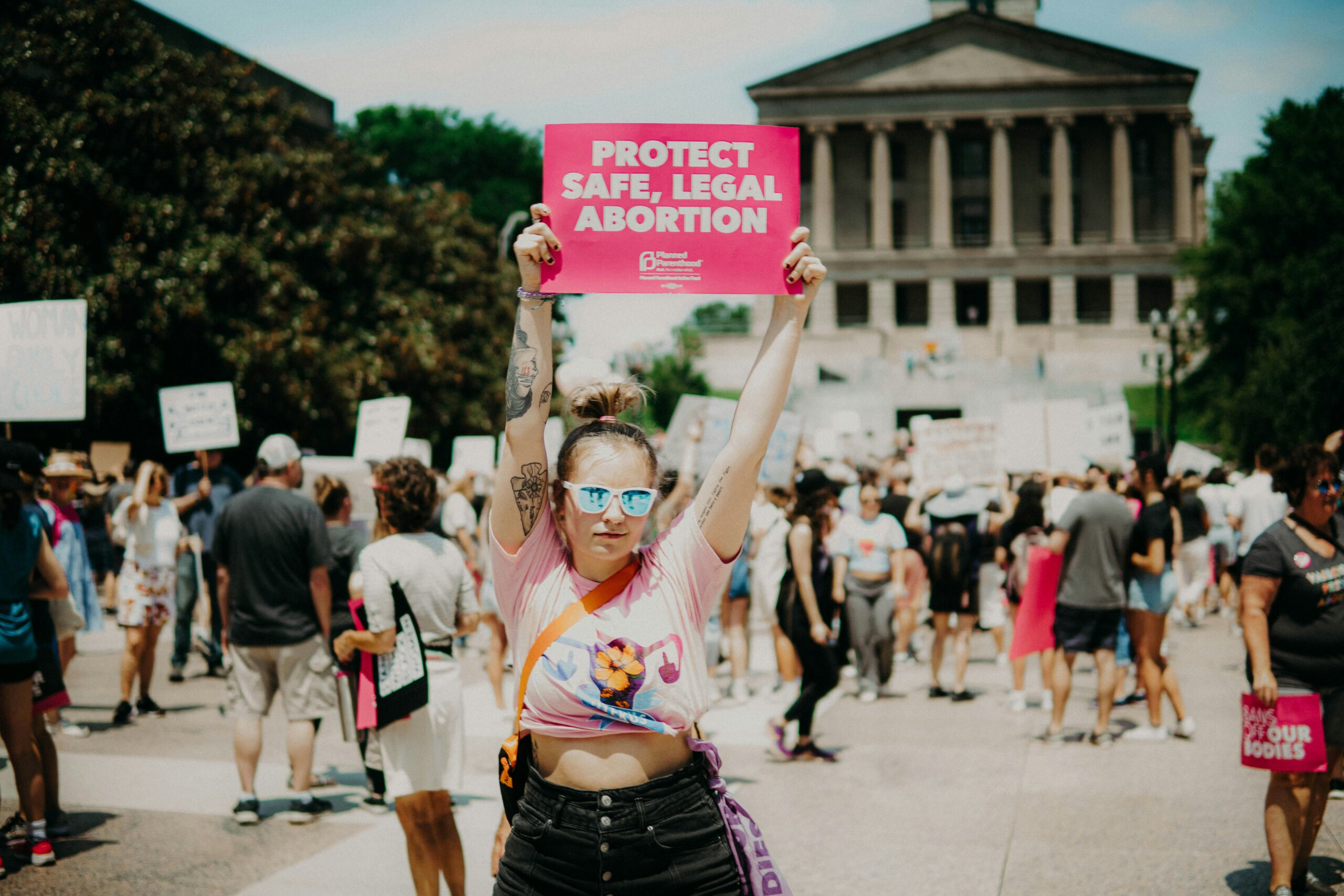
A federal judge blocked the enforcement of a provision in the current administration’s recent tax and spending bill that would cut off Medicaid funding for Planned Parenthood and its members, ruling it was likely unconstitutional. 

This ruling follows a preliminary injunction specifically blocking Medicaid cuts to Planned Parenthood issued by U.S. District Judge Indira Talwani in Boston last week. Judge Talwani wrote in her order, “…restricting Members’ ability to provide healthcare services threatens an increase in unintended pregnancies and attendant complications because of reduced access to effective contraceptives, and an increase in undiagnosed and untreated STIs.”

The “One Big Beautiful Bill,” passed by Congress, stripped Planned Parenthood from Medicaid reimbursements if they continued to provide abortions. The US Department of Justice argued that “the bill stops federal subsidies for Big Abortion” and strongly urged Judge Talwani to maintain the funding restriction.

Despite political backlash, Judge Talwani ruled this provision unconstitutional under two rationales. First, the provision’s text covered every member of the Planned Parenthood Federation of America, transforming it into an unconstitutional “bill of attainder,” an act of Congress that inflicts punishments without trial. The wording of the provision gives plaintiffs standing to claim that Congress targeted them with punitive intent.

Secondly, Talwani ruled that the law violated Planned Parenthood members’ equal protection rights under the Fifth Amendment. Due to the law applying broadly to all Planned Parenthood locations rather than being narrowly focused, it effectively singles out the organization.

White House spokesperson Harrison Fields called the ruling “not only absurd but illogical and incorrect.” The administration is already appealing Talwani’s ruling. The current administration continues to support the defunding of Planned Parenthood, claiming that “states should not be forced to fund organizations that have chosen political advocacy over patient care.” 

Taxpayer money is already prohibited from covering most abortions. As a result, the law harms other services by Planned Parenthood, such as cancer screenings and STI treatments and tests. For now, Judge Talwani’s decision preserves access to Planned Parenthood’s essential healthcare services, but the administration’s appeal ensures the fight over funding and reproductive rights is far from over.

Bipartisan Group of Congresswomen Call for Funding of American Women’s History Museum

Female congresswomen across the aisle came together on Monday, July 21 to strongly urge for the financial support of the Smithsonian American Women’s History Museum. 

In 2020, the House passed a bill with bipartisan support to establish the museum, but funding has remained stalled for the past five years. Multiple attempts to move new bills forward have been blocked, and the fight to secure funding has stretched into the 2026 fiscal year.

Members of the Democratic Women’s Caucus and the Republican Women’s Caucus sent a joint letter to the House Appropriations Committee to press for complete funding of the American Women’s History Museum in the Fiscal Year 2026 federal funding bill.

“It’s time that women’s contributions to our great nation’s history receive the recognition they deserve,” the members wrote. “The Smithsonian American Women’s History Museum will give the public powerful access to the trailblazing women and untold stories that have shaped our nation.”

Citing the museum’s previous survey, the members reported that less than a quarter of respondents could easily recall a significant female historical figure. Comparatively, three-quarters of respondents could easily recall a male historical figure. 

The letter noted the most reasonable explanation for this, explaining how 70% of history books are written by men and only 6% of those men write about women in history. 

The members emphasize the critical need for enhanced public education and greater access to women’s history. The Smithsonian American Women’s History Museum would address longstanding gaps in the nation’s historical narrative caused by underrepresentation in American public school curriculum. 

In today’s polarized political climate, bipartisan initiatives for social progress are increasingly rare. This coalition demonstrates that women’s history transcends party lines, and investing in this museum would serve women across generations.

This united call from female members underscores the urgent need to fully fund the Smithsonian American Women’s History Museum. Beyond politics, this effort represents a commitment to correcting historical omissions and providing future generations with a more inclusive understanding of our nation’s past. 

Securing this funding is not only an investment in a museum but a vital step toward educational equity and honoring the legacy of women who have shaped America.

Oklahoma Funnels Millions to Anti-Abortion Nonprofits

An Oklahoma anti-abortion nonprofit received a lucrative payout from the State Department of Health in 2024 and is now reporting its impact. 

The Oklahoma Life Foundation (OKLF) advocates for anti-abortion policies and services. Supporting crisis pregnancy centers, also known to abortion rights activists as “fake clinics,” OKLF perpetuates misinformation about pregnancy and contraception. 

Oklahoma’s Choosing Childbirth program was created by Republican lawmakers to fund crisis pregnancy centers, churches, and other anti-abortion groups. First created in 2017, this program was preemptively established to support these organizations ahead of inevitable abortion bans post-Dobbs

Choosing Childbirth allocated $18 million to the Oklahoma Life Foundation in 2024, equating to one-third of the entire program’s budget.

Acting as a grant-supervising entity, OKLF distributes funds to service providers across the state and is responsible for monitoring and vetting the organizations that receive their funding. Additionally, these nonprofits are exempt from processing through the State Department of Health. 

Paul Abner, the executive director of the Oklahoma Life Foundation, is a politically active minister. In 2023, he collaborated with lobbyists representing Catholic bishops to sponsor anti-abortion legislation, including measures that define life at the first detectable heartbeat, effectively criminalizing abortion by imposing felony charges on both providers and patients.

Abner previously stated that OKLF plans to distribute $5.1 million of their funding to support pregnancy centers and churches that he has previously worked with. 

OKLF has zeroed in on Her First Women’s Health, a new telehealth network promoting anti-abortion services, whose mission is described as empowering women “to act heroically to save lives from the evil of abortion.” 

According to CEO Brett Attebery, Her First intends to direct its funding toward advertising and operational expenses. OKLF has allocated nearly $500,000 to the organization, aiming to reach over 75% of Oklahoma’s female population.

Her First’s outreach page, entitled Your Abortion Choice, camouflages itself as a pro-choice resource. Promoting their “medically-accurate abortion information,” this website intentionally misleads women seeking abortions into pro-birth messaging. 

Attebery told The Frontier, “When women call Her First’s advertised phone number, they’re routed to a call center in Tennessee…a call center agent or registered nurse will assess the woman’s needs and connect them to local organizations for free, including ones listed in an online directory of ‘life-affirming’ providers.”

These misleading services, combined with the state’s near-total abortion ban, leaves women in Oklahoma with little to no choices. 

The Oklahoma Life Foundation’s deep entanglement with public funding, religious advocacy, and anti-abortion misinformation reflects a broader strategy to reshape reproductive healthcare access in the state. By driving millions of dollars into ideologically driven organizations like Her First Women’s Health, OKLF is expanding an anti-abortion infrastructure that, according to abortion rights activists, actively undermines informed consent and limits legitimate medical options. 

With limited oversight and a near-total abortion ban already in place, these state-backed efforts leave Oklahoman women increasingly isolated from comprehensive reproductive care and with fewer real choices than ever before.

Supreme Court Sides with Parents in LGBTQ+ Curriculum Opt-Out Case

The Supreme Court’s conservative majority handed a victory to parents’ religious rights in Mahmoud v. Taylor on Friday, June 27, ruling that Montgomery County Public Schools violated their rights by barring parents from opting their children out of LGBTQ+ curriculum.

In late 2022, the Montgomery County Board of Education adopted a new curriculum that included topics such as gender, sexual orientation, race, and body ability. This policy required certain LGBTQ-inclusive books to be available for elementary school-aged students. 

When this curriculum was first introduced, parents were allowed to exempt their children from instruction on the basis of religious objections. A year later, the Montgomery Board of Education reversed this decision, eliminating the opt-out policy.

Lead plaintiffs, Tamer Mahmoud and Enas Barakat, challenged this reversal and filed a lawsuit against Montgomery County Public Schools in May 2023. They argued that the required LGBTQ-inclusive curriculum violated their Islamic faith and constitutional right to free religious exercise. 

Later joined by other parents, the plaintiffs formed Kids First, an association of parents and teachers advocating for child exemption in any curriculum relating to human sexuality. Alongside the Becket Fund, Kids First supported Mahmoud v Taylor through legal and public education efforts. 

The question before the court was whether public schools violate parental rights by requiring elementary school children to participate in instruction on gender and sexuality without the opportunity to opt out for religious reasons. 

Justice Samuel Alito, writing for the majority, stated that this curriculum was designed to “disrupt” children’s thinking about sexuality and gender and “places an unconstitutional burden on the parents’ rights to the free exercise of their religion.”

The Court also ordered the Montgomery Board of Education to provide advance notice to parents whenever any of the contested books are used in school. Additionally, the Board must honor parents’ requests to opt their children out of that instruction. 

In her 38-page dissent, Justice Sonia Sotomayor said that this ruling would cause “chaos” in the public school system. “Today’s ruling threatens the very essence of public education. The Court, in effect, constitutionalizes a parental veto power over curricular choices long left to the democratic process and local administrators,” Sotomayor wrote.

The Montgomery County Education Association called the ruling a “disappointment,” commenting that the Supreme Court’s decision does a “grave disservice” to their school community. 

The curriculum at the heart of this case was developed to promote inclusion and affirm diverse families within the Montgomery community. Advocates for inclusive education have expressed concern that the ruling may contribute to a more fragmented educational experience for students and potentially reduce exposure to diverse perspectives.

Legal scholars and civil rights groups have noted that this decision may pave the way for additional challenges to inclusive curricula, not only those relating to LGBTQ+ topics, but possibly in areas such as women’s history, civil rights, and science education. The ruling highlights a shifting legal landscape, where parental religious objections may increasingly shape public school policy.

This ruling marks a significant shift in the balance between religious liberty and inclusive public education. While the Court framed the decision as a protection of religious liberty, it also raises complex questions about how public education can balance religious freedom with the goal of fostering understanding, inclusion, and empathy in diverse school communities.

Mahmoud v. Taylor is not just a case about curriculum; it’s a signal of the Court’s growing willingness to reshape the boundaries of public education in response to cultural and religious pressures.

New Supreme Court Ruling Could Restrict Access to Reproductive Health Providers

On Thursday, June 26, the Supreme Court issued a 6-3 decision in Medina v. Planned Parenthood South Atlantic, ruling that individuals do not have the right to sue under the “free choice of provider” clause of the Medicaid Act. This decision reversed lower court rulings and remanded the case back to district courts.

Medina v Planned Parenthood South Atlantic centers around the 2018 Executive Order by South Carolina’s governor, Henry McMaster, that blocked clinics that provide abortion services, including Planned Parenthood South Atlantic, from participating in the state’s Medicaid program. 

Planned Parenthood South Atlantic is a Planned Parenthood affiliate that operates clinics in Charleston and Columbia, South Carolina. These clinics have worked under the strict abortion laws within the state, following the six-week ban. Besides from abortion services, the South Atlantic clinics also provide prenatal and postpartum care, physical exams, and cancer screenings.

Planned Parenthood South Atlantic, joined by patient Julie Edwards, argued that the order violated Medicaid’s “free choice of provider” provision. This clause, a core component of Medicaid legislation, guarantees beneficiaries the right to choose amongst qualified providers. McMaster’s order would deny Medicaid recipients from choosing Planned Parenthood services. 

Lower courts had sided with Planned Parenthood previously, notably both a federal district judge and the US Court of Appeals for the 4th Circuit. These rulings have stalled McMaster’s order from taking effect. 

The Supreme Court, however, did not directly answer the question of whether South Carolina could legally exclude Planned Parenthood from Medicaid. The Court did not deal with any discussion of abortions at all. Instead, it addressed a narrower question: Can Medicaid beneficiaries sue to enforce their provider choice under federal law? 

Justice Neil Gorsuch wrote for the majority, stating that individuals do not possess the “enforceable right” to sue under free choice of provider. Reversing the decisions of lower courts, this decision remanded the case to district courts consistent with the Supreme Court ruling. 

This ruling could have broad implications for Medicaid beneficiaries across the country. Several other states are likely to follow suit with South Carolina’s order. Texas, Arkansas, Indiana, and Missouri have already tried to keep Planned Parenthood out of their Medicaid networks. Although they were previously blocked, this ruling gives them a clear legal pathway toward achieving this goal. 

Additionally, this ruling curtails low-income women’s ability to access reproductive care. Medicaid covers one in five women of reproductive age and is the largest source of coverage for low-income women. KFF research has found that Planned Parenthood offers a wider range of family care compared to non-specialized clinics who are unharmed by this ruling. Limiting access to these providers could disproportionately affect low-income women seeking care.

While the Court did not rule on abortion rights, this decision limits the ability of patients to challenge state decisions that affect access to reproductive and preventive health care. The long-term impact on provider networks and patient access remains to be seen. 

Supreme Court Ruling Weakens Legal Safeguards for Trans Youth

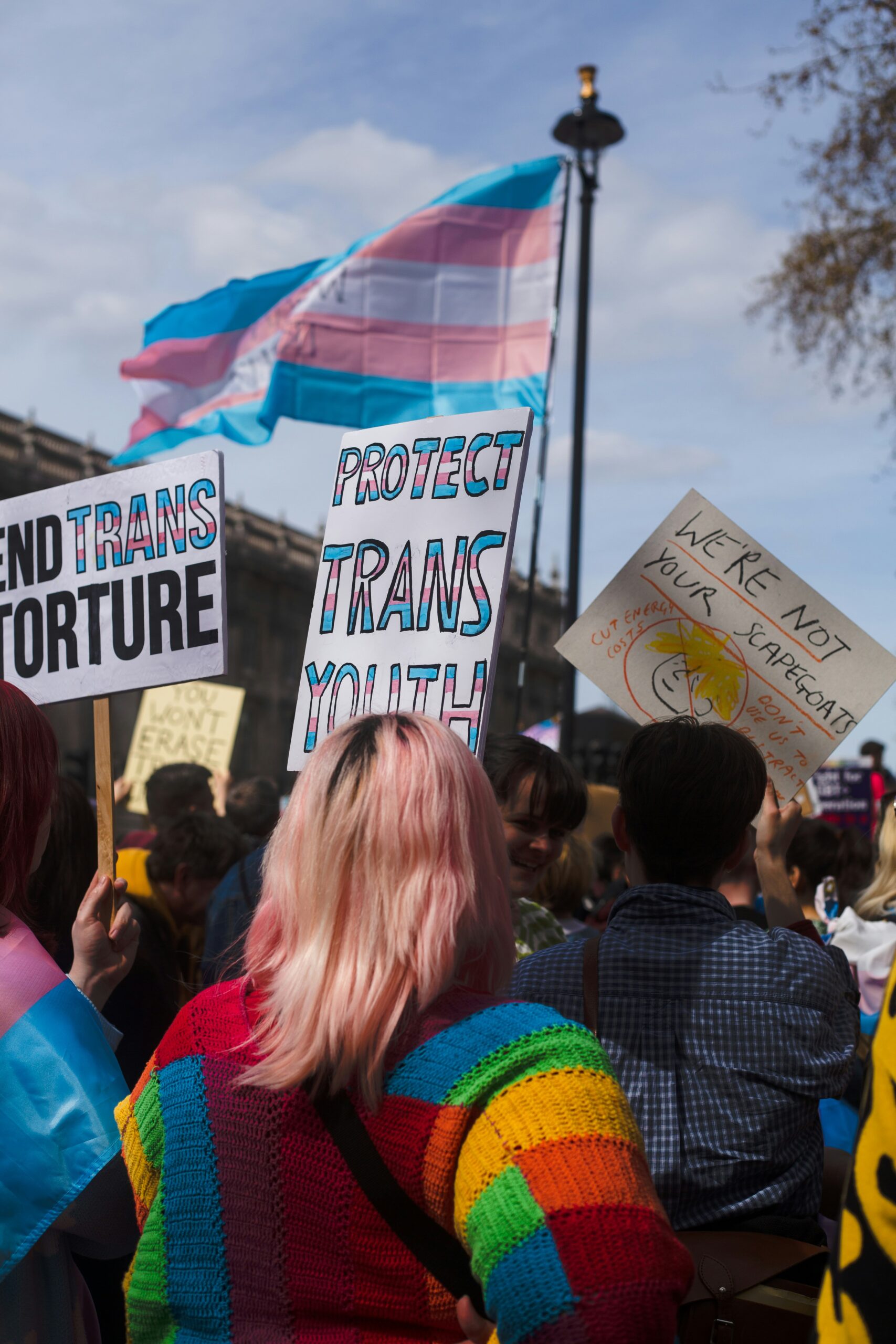
The Supreme Court upheld a Tennessee law restricting gender affirming care for minors on Wednesday, June 18. This 6-3 ruling delivered a major blow to not only Tennessee transgender youths, but also trans youth across the nation. 24 other states have already enacted similar laws that restrict access to gender transition surgery, puberty blockers, and hormone therapy for minors. This ruling protects these nationwide laws from possible upcoming legal disputes. 

Filed in April 2023, U.S. v. Skrmetti challenges the state of Tennessee on behalf of Samantha and Brian Williams and their 15-year-old transgender daughter. In addition to banning medical care for trans youth, Senate Bill 1 would require trans youth to terminate gender affirming care they are currently receiving. The law also establishes a private right of action against medical providers who supply this care, creating legal risk for providers and further targeting care specifically for transgender youth. 

Samantha and Brian Williams realize the law leaves their family with two options: travel hours for care or move out of Tennessee completely.

“It was incredibly painful watching my child struggle before we were able to get her the life-saving healthcare she needed. We have a confident, happy daughter now,” Williams says. Samantha and Brian’s daughter tells the ACLU, “I want this law to be struck down so that I can continue to receive the care I need, in conversation with my parents and my doctors, and have the freedom to live my life and do the things I enjoy.”

Chief Justice Roberts wrote for the conservative majority, stating that the law does not violate the Equal Protection Clause of the Fourteenth Amendment. Defining the law as purely an age restriction rather than a sex restriction, the Court explicitly refuses these medical treatments from being used for gender dysphoria. 

In a dissent backed by the other liberal judges, Judge Sotomayor wrote that this decision “abandons transgender children and their families to political whims.” 

Sasha Buchert, Counsel and Director of the Nonbinary and Transgender Rights Project at Lambda Legal, tells the ACLU, “This is a sad day, and the implications will reverberate for years and across the country…[.]” 

Lucas Cameron-Vaughn, Senior Staff Attorney at the ACLU of Tennessee, understands this ruling as a reflection of the Court’s belief on who does, and who does not, deserve access to healthcare. “Today the Supreme Court told Tennessee transgender youth and their families that they cannot access healthcare that is vitally important for a successful life,” he states

Although this ruling is a “painful setback” on transgender rights, there are still precedent cases that provide legal support to trans youth. Five years ago, the Supreme Court ruled that the Civil Rights Act of 1964 protects gay and transgender individuals from facing sex discrimination in the workplace. The Court found that “sex plays an unmistakable role” in job prejudices. Despite this rationale not being applied in Skrmetti, this crucial safeguard is unaffected by the recent ruling.

This ruling marks a pivotal moment in the fight for transgender rights in America. While it delivers an immediate and severe blow to families in Tennessee and beyond, it also highlights the urgent need for continued legal and grassroots advocacy. As families like the Williamses weigh impossible choices and youth across the country face increasing barriers to care, the resilience of trans communities, and the legal precedents still in place, offer a foundation for future challenges. The fight is far from over.

Southern Baptist Convention Calls to Ban Same-Sex Marriage

The Southern Baptist Convention (SBC), the nation’s largest protestant denomination, gathered for their annual two-day meeting in early June. Discussing a wide variety of topics, ranging from transgender youth to gambling, the convention ultimately endorsed resolutions to ban same-sex marriages, calling for a reversal of the ten-year-old Supreme Court precedent. This decision signals the SBC’s goal of replicating their previously successful campaign to overturn Roe v. Wade.

One resolution called upon legislators to uphold their duty in passing “laws that reflect the truth of creation and natural law” and opposing laws that contradict “what God has made plain through nature and Scripture.” Another resolution simply calls for the overruling of Obergefell, the 2015 precedent that equates same-sex marriage with opposite-sex marriage under the Due Process Clause of the Fourteenth Amendment. 

This ruling also affirms the SBC’s definition of gender and marriage, solidifying the gender binary and opposite-sex marriage. 

The SBC feels emboldened by the current administration and right-leaning Supreme Court. Their resolutions are well within the realm of possibility at a time where their allies hold major positions of power in our government. The Speaker of the House, Mike Johnson, a Southern Baptist himself, is placed third in line for the presidency. Additionally, Supreme Court Justice Clarence Thomas has already called to revisit Obergefell

Nancy Ammerman, a professor of religion at Boston University and attendee at the SBC, told AP, “…[t]here’s not a lot of room for people who don’t have the same understanding of who God is and how God operates in the world.” Southern Baptists are feeling confident in their place in society and feel as if they’ve been given an “opportunity” to “take back” their country. 

Casting a shadow over the otherwise optimistic atmosphere of the SBC is the recent death of one of the most prominent whistleblowers of the Southern Baptists’ sexual abuse scandal. Jennifer Lyell went public in 2019 with her sexual abuse allegations against David Sills, her seminary professor while she was a student. Sills admitted to the misconduct and resigned from his post, but no details were made public. Lyell received devastating backlash from the public and media, including the SBC media outlet, the Baptist Press, portraying her claims as a “morally inappropriate relationship” rather than abuse. 

Lyell died Saturday, June 7, from catastrophic strokes. The SBC began on Tuesday, June 10, with no mention of Lyell’s passing. Relatedly, the SBC Executive Committee is seeking $3 million in convention funding for legal expenses for ongoing abuse cases.             

Previous members of the SBC have come forward with other allegations and calls for reform. In 2022, the convention agreed to create a database of all alleged abusers in their denomination. Earlier this year, though, Executive Committee President Jeff Iorg stated that this database was not a priority and the SBC made no remarks about it at this year’s convention. Several abuse reform advocates that were previously a prominent presence at the SBC are choosing to skip this year’s convention in solidarity with survivors. 

Despite recent controversies, the SBC was solely focused on their resolutions to prohibit same-sex marriage in America and design legislation “…based on what they say is the biblically stated order of divine creation,” an AP source reported

The SBC’s resolutions reflect the denomination’s interpretation of religious doctrine and their approach to engaging with contemporary legal and social issues. These positions represent one perspective in ongoing national debates about marriage, gender, and the intersection of religious beliefs with civil law.

>