US Secretary of Labor Thomas Perez said in an interview Wednesday that paid family leave is one of the most critical issue facing working families today.
“So many people don’t have the luxury of taking an hour away from the workplace to attend indispensable family commitments,” Perez said on HuffPo Live Wednesday. “What we have to do right now, is again, bring our policies into the 21st century.” The US Labor Secretary said he was allowed to skip a Cabinet meeting recently for a more important appointment: his daughter’s graduation.
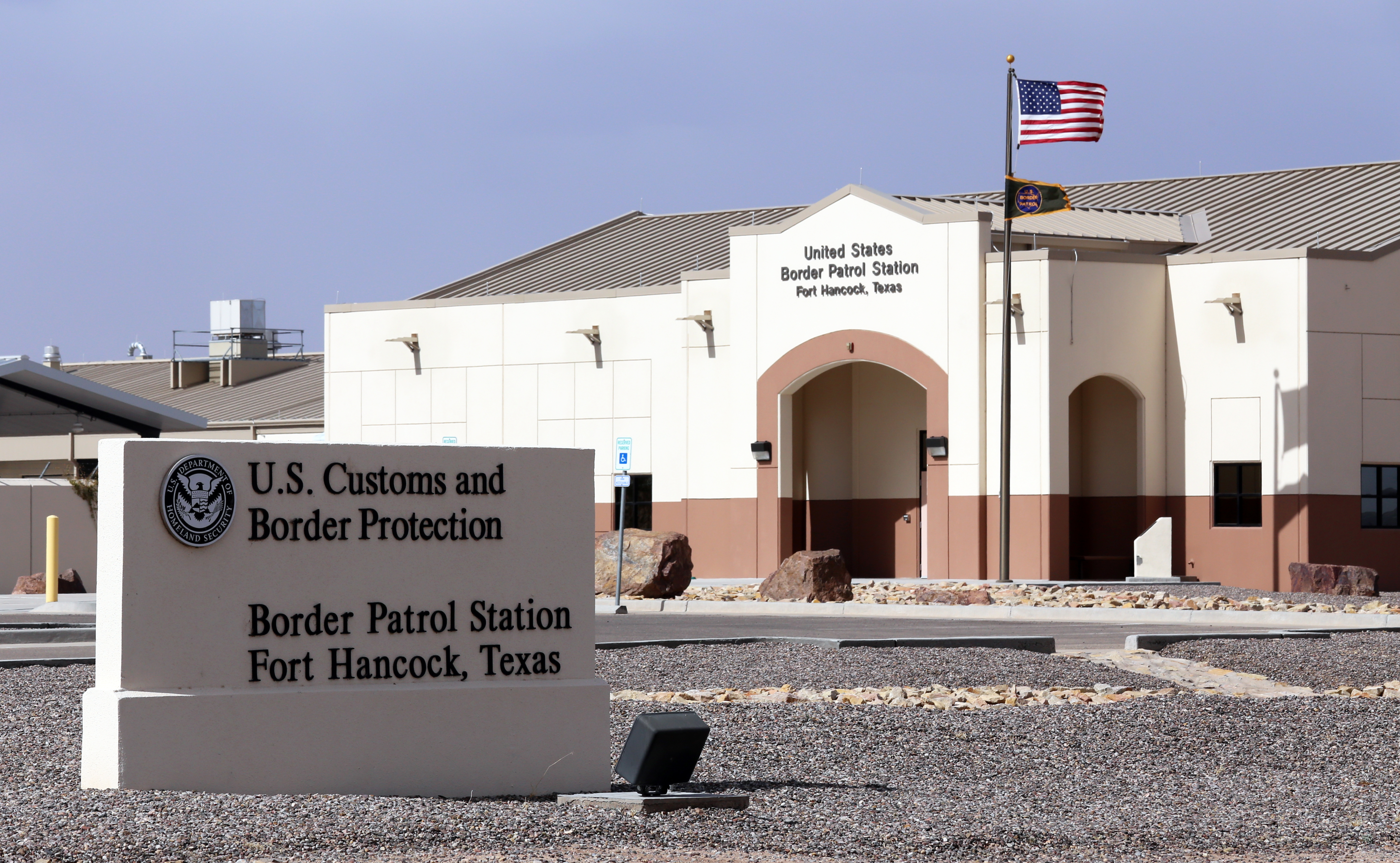
Immigration activist groups have filed a complaint against the US Customs and Border Protection agents, citing 116 allegations of child abuse at the US-Mexico border in Texas and Arizona.
The complaint includes the allegation that more than 80 percent of those child immigrants did not receive enough food and water, around half were not given medical care, and nearly one in four minors were abused physically. Unfortunately, the allegations don’t end there. The activist groups, which include the National Immigrant Justice Center and the American Civil Liberties Union, are also alleging unsanitary conditions and the sexual abuse of children—and the complaints say all of this has been going on for years.
“After completing a perilous journey into the United States, many are subjected to various forms of abuse, harassment and other harms at the hands of the Border Patrol,” part of the complaint reads. “Children consistently reported being held in unsanitary, overcrowded and freezing-cold cells.”
Chris Cabrera, a leader within the National Border Patrol Council, estimates that more than 60,000 of these unaccompanied minors have crossed the Mexican border into the US just this year. Often these children are coming to escape poverty or violence in Mexico or Central America and are hoping to join a parent who is already in the country. Many unaccompanied minors end up turning themselves in to Border Patrol in hopes of being helped into the US. The allegations come just a few days after the Obama administration assigned a third US military base to these unaccompanied child immigrants for emergency housing.
“Given these longstanding problems, and in light of the rising number of unaccompanied children seeking relief from dangerous conditions in their home countries,” the complaint reads, “the need for broad and lasting agency reforms is clear.”
The company’s executive board voted Wednesday to remove Charney from the position. John Luttrell, American Apparel’s executive vice president and Chief Financial Officer will be taking over Charney’s position during the interim, according to NPR.
“Victims of sexual harassment and assault in the workplace often don’t take action to protect themselves,” Baum said. “This does not give Dov Charney the right to sexually assault and abuse his employees.”
The New York state Senate passed three bills on Monday that are part of the omnibus Women’s Equality Act introduced by Governor Andrew Cuomo (D) in June of 2013. The chamber passed bills preventing discrimination based on family status, preventing housing discrimination against domestic violence victims, and demanding equal pay regardless of gender.
The Women’s Equality Act, a 10-part legislative package, failed in the Senate last year when Republicans refused to support a plank that codifies Roe v. Wade and protects abortion providers from prosecution. In response, Senate Republicans introduced nine bills that directly mirrored the WEA – but failed to reproduce the abortion provision as a piece of legislation.
The three bills will now move to the Assembly, where members are divided on which strategy they will support for moving the package through the chamber. Although Assembly members are now requesting that the package be debated and passed as 10 separate bills, Assembly leaders and a coalition of women’s groups in the state have refused to take them up individually and are demanding they be passed as a comprehensive package instead. The three bills add pressure to Assembly leadership and members to forgo the package in favor of passing individual planks from the WEA instead.
Other planks in the full package include extending protections against sexual harassment to all workplaces, allowing the recovery of attorney fees in harassment cases, ending employment discrimination based on whether a woman has children or is pregnant, and strengthening order of protection laws and human trafficking laws in the state. Advocates who remain committed to passing the omnibus bill insist that the issues represented in the planks intersect and therefore must be passed together rather than individually, especially because the latter strategy puts the abortion plank at risk of being ultimately forgone.
The measure is part of the $51.2 billion Justice Department budget for 2015. The House passed the budget in May leaving the funds in tact. The bill has been up for consideration in the Senate since June 12, with a final vote expected today.
“Each box holds within it vital evidence that is crucial to the safety of women everywhere,” Debbie Smith herself said to Congress in 2009 during a hearing on the rape kit backlog. “Can you imagine going through an exam like what goes on in one of those things for nothing? To know that you were just traumatized again, for it to sit on a shelf, it’s not fair.”
Young adults in the United States are now more likely to report they are in good physical and mental health following the implementation of the Affordable Care Act (ACA), according to a new report published in the Journal of the American Medial Association (JAMA).
Millions of young adults have gotten health insurance under the ACA, which includes a provision that allows individuals to remain covered under their parents’ health insurance plans until they’re 26. The study compared those 19 to 25, who now have the opportunity to be covered by their parents’ plans, with those 26 – 34 who no longer qualify. The results showed young adults are now 7.2 percent more likely to have health insurance, 6.2 percent more likely to report “excellent physical health” and 4 percent more likely to say they are in “excellent mental health.”
“The health insurance that people are gaining seems to be doing what it is supposed to do,” Dr. Kao-Ping Chua, the lead author of the study, told the Los Angeles Times.
In 2011, Pakistan was rated the third-most dangerous country for women. Karachi still ranks as one of the top 10 most violent cities in the world. Now, Ghazala manages a 100-unit police force, made up of only men, in Clifton, a Karachi suburb with a population of more than 18 million people.
“My husband opposed my decision to join the police force 20 years ago,” Ghazala told the Associated Press. The 44-year-old mother earned the highest score during the training promotion, besting her male colleagues. She says of the new job, “It was a big challenge. I was a little bit hesitant to accept it.”
The promotion is evidence of a larger shift in thinking about women in leadership across Pakistan. Senior leadership in Ghazala’s unit want to see more women joining the force in non-traditional roles. “Our society accepts only stereotype roles for women,” senior police officer Abdul Khaliq Sheik said. “There is a perception that women are suitable only for particular professions like teaching.”
According to the Associated Press, in Khyber Pakhtunkhwa, women do run police forces, but only in stations specifically designed to help female victims.
Media Resources: Jezebel, 6/15/14; Immigration and Refugee Board of Canada, 1/14/13; NBC News, 6/15/14
The US Supreme Court ruled yesterday that anti-choice group Susan B. Anthony List (SBA) could challenge an Ohio state law prohibiting “false statements” in political campaign speech.
The Ohio law makes it a crime to offer false statements during an election campaign. Under the law, any person who posts, publishes, or distributes “a false statement” about a political candidate, either “knowing” the statement to be false “or with reckless disregard” of whether the statement was true or not could be punished with up to six months in jail and a fine of up to $5,000 for the first violation. Over a dozen states have laws criminalizing false political campaign speech.
SBA, joined by the Coalition Opposed to Additional Spending and Taxes (COAST), attempted to challenge the Ohio law in federal court but both the district court and the US Court of Appeals for the Sixth Circuit determined that the challenge could not go forward in the courts because neither group had suffered a concrete injury under the law. The Supreme Court’s unanimous decision means that the case can now go forward.
SBA sought to challenge the law after the Ohio Elections Commission found probable cause that the group had made false statements about a political candidate during the 2010 election cycle. SBA issued a press release and planned to display a billboard stating that former Congressman Steve Driehaus, then running for office, had voted for “taxpayer-funded abortion” by voting for the Affordable Care Act (ACA). Driehaus filed a complaint with the Commission but withdrew his complaint after he lost the November election. SBA then filed a complaint in federal court to challenge the Ohio statute on First Amendment grounds. COAST filed a separate suit, which was then consolidated with the SBA case, alleging that it wanted to publish similar materials but feared prosecution.
The Supreme Court, in allowing the case to go forward, found that neither SBA nor COAST had to wait until they were prosecuted under the law before challenging its constitutionality. It was sufficient that both groups intended to continue making statements about abortion and the ACA in future election cycles and that these statements would open them up to proceedings by the Elections Commission and possible criminal prosecution.
The Supreme Court made no finding yesterday on whether the Ohio law is constitutional or whether SBA’s statements on “taxpayer-funded abortion” were in fact false. The decision only means that the case against the Ohio law can be litigated in court. This is not the first time, however, that anti-choice activists have attempted to obfuscate the ACA and abortion.
Media Resources: Supreme Court of the United States; SCOTUS Blog 6/16/14; Feminist Majority Press Release 1/29/14
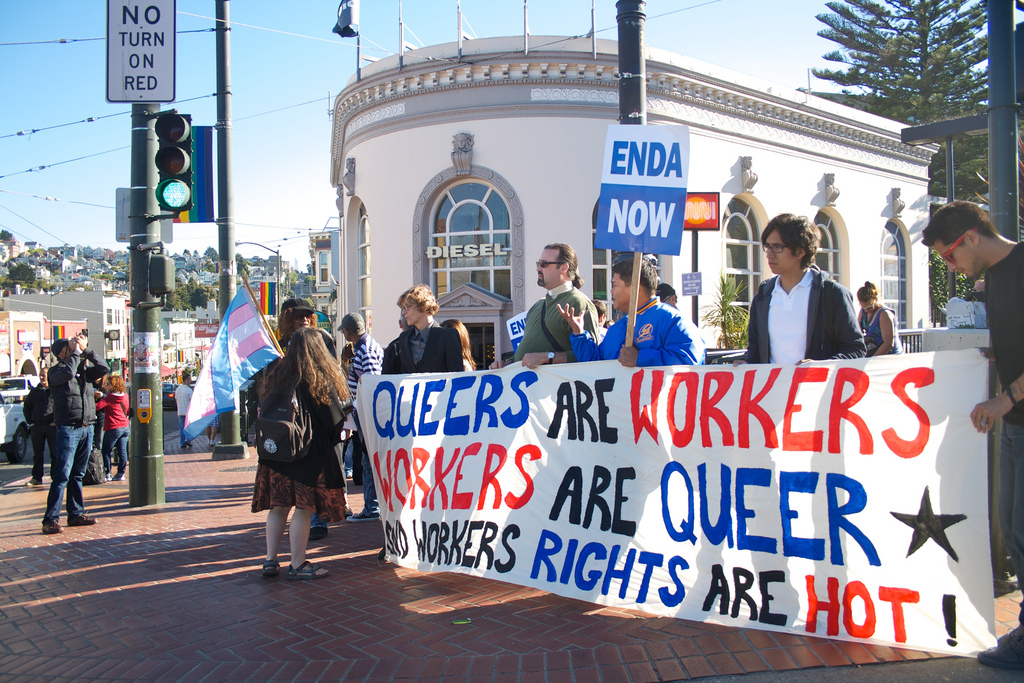
The Obama administration announced yesterday that the President will issue an executive order prohibiting employment discrimination on the basis of sexual orientation for any contractor or subcontractor who does at least $10,000 worth of business with the federal government within one year.
According to a White House official, the order “will build upon existing protections, which generally prohibit federal contractors and subcontractors from discriminating in employment decisions on the basis of race, color, religion, sex, or national origin. This is consistent with the president’s views that all Americans, LGBT or not, should be treated with dignity and respect.”
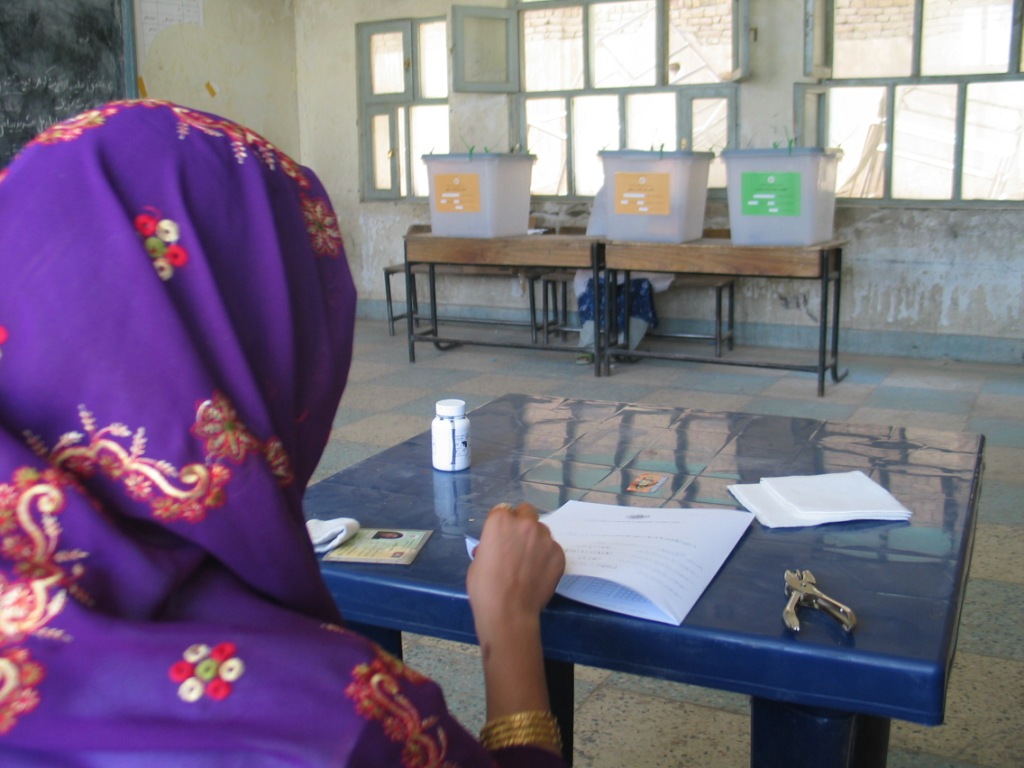
Over seven million Afghans, or 58 percent of the population, successfully voted in the runoff presidential election on Saturday, despite several attacks from the Taliban at polling centers.
Because none of the presidential candidates won at least 50 percent of the vote in the April election, a runoff was held between the top two contenders – Abdullah Abdullah, who won 44.9 percent of the vote in the first election, and Ashraf Ghani Amadzai, who came in second with 31.5 percent.
The Afghan Independent Election Commission (IEC) will announce preliminary results for the runoff election on July 2 and expect the final results to be announced on July 22. Whoever wins the majority of the vote will replace current president Hamid Karzai, marking the first democratic transfer of power in Afghanistan’s history.
Both Abdullah and Amadzai have indicated that they will sign the Bilateral Security Agreement (BSA) with the United States, which provides that the U.S. will continue to provide assistance to strengthen the security and stability of Afghanistan and will work with Afghanistan to continue coordinating counter-terrorism efforts. The candidates also signed a petition for women’s rights, announced in a press conference held Thursday. Initiated by 117 women-led organizations, the petition calls for women’s empowerment with the goals of equality in education and leadership and an end to violence against women.
Media Resources: TOLO News 6/16/14; United Nations News Centre 6/14/14; Feminist Newswire 11/22/13, 4/28/14, 5/19/14, 6/13/14
Current state law does not allow abortions after 24 weeks except if the pregnant person’s life or health is threatened. HB 1047 will limit the existing exceptions by removing mental health conditions as a reason to allow a late abortion.
In addition, the law bans abortion at any point in the pregnancy once a fetus is deemed viable unless two doctors certify in writing that it is necessary to protect the health and life of the woman. If two doctors are not available, one must certify in writing that a second was unable to consult on the matter.
“Sadly, this is really about advancing an agenda of political interference with women’s decision-making,” said Jessica Gonzalez-Rojas, Executive Director of the National Latina Institute for Reproductive Health, in a statement. “Despite continued attempts to legislate women’s health, this is not what we want. Personal medical decisions, like the decision to end a pregnancy, should be kept between a woman and her doctor.”
The law will go into effect July 1.
Media Resources: RH Reality Check 6/16/14; Associated Press 6/13/14; Reuters 6/13/14; Florida House of Representatives 2014; National Latina Institute for Reproductive Health 6/13/14
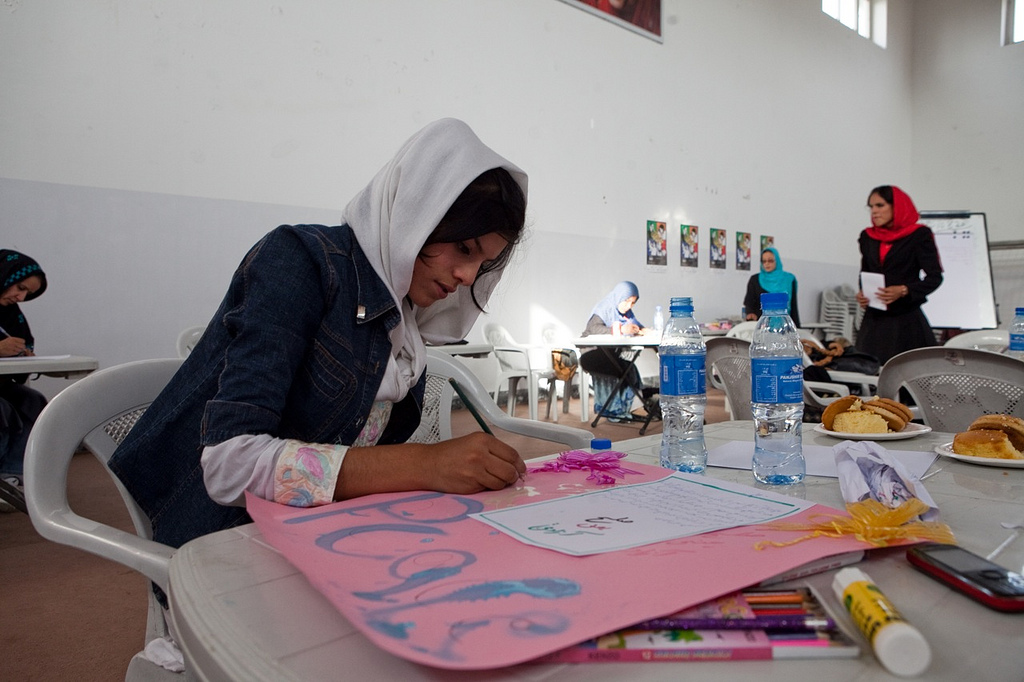
Afghan women’s groups Thursday held a press conference announcing that both of the presidential front-runners had signed a six-point petition for women’s rights. The news comes on the eve of the nation’s runoff elections for the presidency, which are being held tomorrow. Initiated by 117 women-led organizations, the petition calls for women’s empowerment with the goals of equality in education and leadership and an end to violence against women.
A runoff election for the presidency will take place tomorrow in Afghanistan after the first election on April 5 failed to earn any candidate running over 50% of the vote. Abdullah Abdullah, Afghanistan’s former Foreign Minister, and Ashraf Ghani, former Finance Minister and World Bank economist, will compete.
For the women of Afghanistan, the elections represent an opportunity for their burgeoning women’s rights movement to elect a leader who supports their equality.
“Despite desperate efforts of anti-government elements to thwart the 2014 electoral process,” former Minister of Women’s Affairs Massouda Jalal wrote on the FMF blog in May, “the will of the Afghan people prevailed. We made it. We were able to show the world that our security forces are robust enough to protect our infant democracy and our people remain worthy of international support.”
Media Resources: Feminist Newswire 6/5/14, 5/13/14, 4/28/14, 4/7/14; NPR 5/29/14, The Guardian 6/13/14; EuroNews 6/13/14
Seattle’s City Council approved an ordinance on June 2 that will gradually raise the city’s minimum wage to $15 an hour; Mayor Ed Murray signed the ordinance into law the next day. The law gives large businesses, defined as any company with more than 500 employees, over three years to implement the changes. Smaller businesses are given an extra four years to phase in the increase. Because franchises are part of national company networks employing, typically, over 500 people, local franchises of larger corporations must adhere to the three-year schedule.
The IFA lawsuit seeks an injunction to prevent the law from going into effect, claiming it violates both the Equal Protection Clause and Commerce Clause of the US Constitution.
The IFA estimates there are 600 franchises in Seattle employing 19,000 workers.
Media Resources: The Stranger Slog 6/11/14; The Seattle Times 6/11/14; United States District Court Western District of Washington at Seattle Complaint 6/11/14
In a unanimous decision, a panel of the US Court of Appeals for the Sixth Circuit ruled yesterday that the Affordable Care Act (ACA) birth control coverage benefit does not violate the Religious Freedom Restoration Act (RFRA) or the First Amendment, upholding two lower courts’ denial of a preliminary injunction against the law to a group of Catholic-affiliated non-profit entities.
The ACA requires health insurance providers to cover preventive health services – including all FDA-approved contraceptives, such as the pill, emergency contraceptives, and IUDs – without charging co-pays, deductibles or co-insurance. Religious employers, such as churches, are exempted from the requirement. Certain non-profits, who object to contraception on religious grounds, can obtain an accommodation that would allow these groups not to provide contraceptives to their employees. In that case, if the non-profit has an employer-provided group health insurance plan, then the employer would submit a certification to the insurance issuer. The issuer would then have to provide contraceptive coverage. If the non-profit employer has a self-insured plan, one that relies on employer-contributions without outside insurance contributions, then the employer would contract with a third-party administrator who would pay for and process claims for contraceptive services.
The non-profit groups in the case argued that the process to obtain the exemption or the accommodation unduly interfered with their religious beliefs and burdened their exercise of religion, violating both RFRA and the First Amendment.
The Sixth Circuit rejected these arguments, finding that the ACA did not substantially burden the religious exercise of any group eligible for either the exemption or the accommodation. The court noted that the law was specifically crafted so that these groups would not be required to “provide” contraceptives to anyone, to “pay for” contraceptive coverage, or to “facilitate” access to contraceptives.
Together with the National Women’s Law Center, the Feminist Majority Foundation and 20 other national, regional, and local groups submitted an amicus brief to the Sixth Circuit in support of the ACA birth control benefit. Nationwide, over 100 lawsuits have been filed in federal court challenging the benefit. The Supreme Court is expected to decide this month whether for-profit companies should be exempted from the contraceptive coverage requirement.
A majority of Americans support full coverage of birth control as a preventive service. As many as 88% of American women who have ever had sexual intercourse have used birth control pills, injectables, the contraceptive patch, or IUDs at some point in their lives, and at least 14% of women using the pill are doing so to treat painful conditions such as endometriosis, ovarian cysts, or severe cramps, and studies have shown that the pill reduces the incidence of ovarian and endometrial cancers. Birth control is basic health care for women.
Media Resources: United States Court of Appeals for the Sixth Circuit; National Women’s Law Center; Feminist Majority Foundation 11/26/13
Representatives from over 140 nations are attending the Global Summit to End Sexual Violence in Conflict in London this week. British Foreign Secretary William Hague and actress and United Nations special envoy Angelina Jolie are co-chairing the event, the largest ever of its kind.
The summit aims to “shatter the culture of impunity” for perpetrators of sexual violence in conflict, take practical steps to reduce the dangers women face during conflicts, increase support for survivors, and debunk the myth that rape in war is inevitable.
“It is a myth that rape is an inevitable part of conflict. It is a weapon of war aimed at civilians . . . done to torture and humiliate people and often to very young children,” Jolie said. “We need to see real commitment and go after the worst perpetrators, to fund proper protection for vulnerable people, and to step in to help the worst-affected countries.”
The summit, with up to 1,200 government ministers, activists, and other leaders attending, will feature meetings and discussions, film screenings, theater and art displays. Several of the events are open to the public, and you can watch by livestream.
Hague and Jolie launched the Preventing Sexual Violence Initiative (PSVI) in 2012, which included a United Nations Declaration of Commitment to End Sexual Violence in Conflict that has been endorsed by 141 countries so far. Hague and Jolie began to work together after Hague saw a film Jolie directed, In the Land of Blood and Honey, about how rape was used as a weapon of war in the Bosnia and Herzegovina conflict in the 1990s.
Rape is frequently used as a military tactic to“humiliate and demoralize individuals, to tear apart families, and to devastate communities.” Soldiers often see rape as a spoil of war, and the lawlessness of countries in conflict means perpetrators usually face no punishment, and survivors rarely receive justice or the medical or other recovery services they need. Past conflicts in Rwanda, Sierra Leone, and Bosnia and Herzegovina included the rape of thousands of women and girls. Currently, an average of 40 women are raped per day in the ongoing conflict in the Democratic Republic of the Congo.
Media Resources: UK Government;Reuters 6/10/14; BBC 6/10/14; The Independent 6/10/14; United Nations Action Against Sexual Violence in Conflict
The American Center for Law and Justice asked the US Supreme Court Friday to review a federal appeals court decision reinstating parts of New York City’s landmark set of regulations for Crisis Pregnancy Centers (CPCs), or “fake clinics.”
Earlier this year, the Second Circuit Court of Appeals upheld the portion of the New York City law, passed in 2011, that requires CPCs operating in New York City to disclose whether or not a licensed medical professional works on-site at the facility. This so-called “status disclosure” must be posted in both English and Spanish at the entrance to the facility and in the waiting room and must also be communicated orally during meetings and in telephone conversations with potential clients.
The New York City law immediately became a target after it passed in 2011. At the request of several CPCs, a lower court temporarily blocked enforcement of the law, and although the Second Circuit reinstated its “status disclosure” provision, it did not restore the requirement that CPCs disclose whether their provide referrals for emergency contraception, abortion, or prenatal care. The appeals court also ruled that the City could not require CPCs to disclose that the New York City Department of Health and Mental Hygiene encourages women who are or who may be pregnant to consult with a licensed provider.
A Congressional investigation of Crisis Pregnancy Centers found that 87% provided false or misleading information about the health effects of abortion, and many use misinformation to deter their clients from using contraception or pursuing abortion. CPCs target women of color and poor women in particular, including college students. CPCs are common across the nation, and outnumber comprehensive women’s health clinics. Most are affiliated with anti-choice or religious organizations.
Media Resources: Feminist Campus Campaign to Expose Fake Clinics; RH Reality Check 6/9/14; Feminist Newswire 1/22/14
South Carolina lawmakers concluded their legislative session Friday without passing two bills that would have restricted access to abortion across the state.
A bill criminalizing abortion after 20 weeks and another that required abortion providers to have admitting privileges at a local hospital were both being considered by South Carolina’s legislators until they adjourned for the summer. Some lawmakers were also attempting to define life as beginning at conception. None of the bills moved through the body, which women’s groups locally are hailing as a victory.
“Today is a victory for the men and women across South Carolina who have stood up to say ‘enough is enough,'” said VP of Public Affairs for Planned Parenthood Health Systems Melissa Reed in a statement. “And most importantly, it is a victory for the thousands of women who would have been hurt by these cruel and misguided policies.”
The failure to pass the bills comes after a recent poll found that a majority of South Carolina voters in key districts did not think abortion restrictions should be a priority for the state’s lawmakers. In addition, Planned Parenthood reported that over 2,000 residents called and emailed their legislators to urge them not to pass restrictions and over 24 medical professionals, researchers, advocates, and voters testified against the bills.
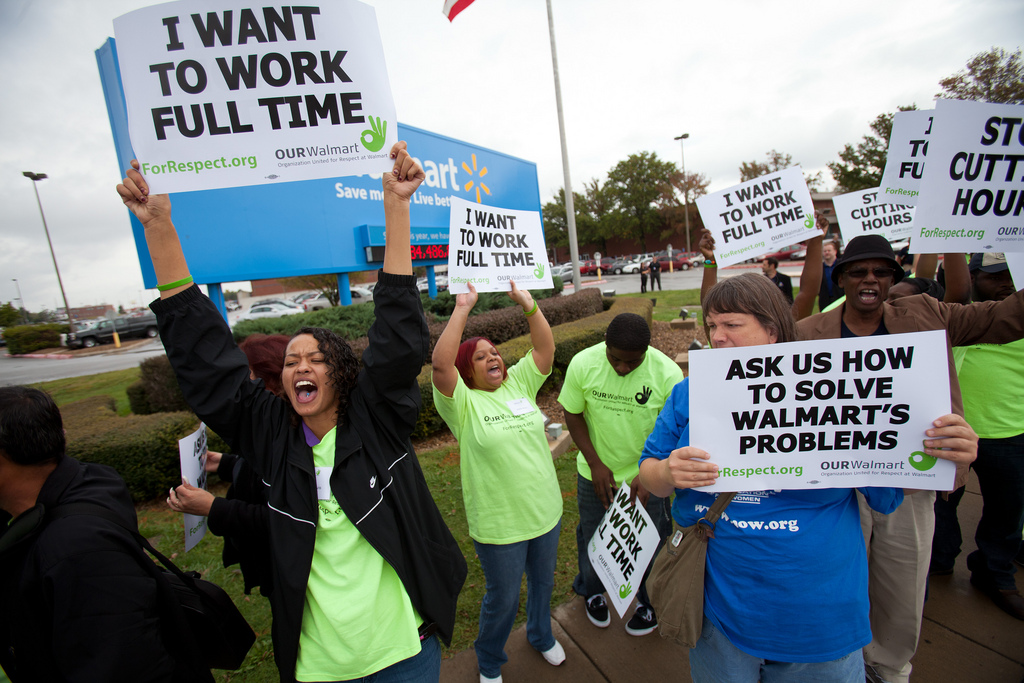
The protesters demand that Walmart pay associates at least $25,000 per year and not retaliate against workers who strike. Earlier this year, the National Labor Relations Board filed a complaint against Walmart for retaliating against 60 workers who had participated in strikes or protests against Walmart stores.
“I am trying to tell Walmart that they should not retaliate against workers, and that they need to raise wages and respect us,” said Bene’t Holmes, a Walmart-employee earning $8.75 per hour at a Chicago-area store, at a candlelight vigil held earlier this week outside the home of Walmart’s board chairman, Rob Walton.
The strike and other actions were scheduled around the chain’s annual shareholder meeting taking place in Arkansas today.
An increase in wages would primarily benefit women workers, who make up the majority of low-wage workers in the retail industry. According to a study released by Demos earlier this week, 1.3 million women working in the retail industry live in or near poverty. Low-wages, unpredictable hours, and lack of full-time opportunities, all present real obstacles to these workers’ economic security.
Walmart has also been heavily criticized recently for refusing to join the Bangladesh accord, a legally binding agreement to improve working conditions for overseas factory workers that manufacture their clothes. The accord was created after a garment factory where Walmart materials were produced collapsed in Bangladesh, killing an estimated 1,300 workers. Activists have also been demanding that Walmart pay reparations to survivors of the collapse and victims’ families.
Media Resources: CNN 6/3/14; The Guardian 1/15/14, 6/4/14; Demos 6/2/14; International Labor Rights Forum 11/29/13; Feminist Newswire 9/25/12, 5/20/13, 11/11/13, 12/5/13
The Louisiana legislature passed a bill this week that will require physicians to keep mentally incapacitated pregnant women on life support against their wishes.
“They’re making all these godlike decisions for people who should be making this decision on their own for their loved one,” Julie Schwam Harris, who testified during the Louisiana Senate Health and Welfare Committee hearing, told RH Reality Check.
A similar law in Texas led to a lawsuit by the husband of Marlise Munoz, who was found brain-dead after a possible pulmonary embolism. Even though she had made it clear while alive that she never wanted to be kept on life support with no hope of recovery if anything happened to her, and her family repeatedly requested that she be taken off support, her hospital would not allow it because she had been 14 weeks pregnant. The fetus was later found to be significantly deformed and nonviable due to the lack of oxygen it suffered when Munoz collapsed, so Munoz was removed from support.
Media Resources: Louisiana State Legislature; RH Reality Check 6/3/14; The Times-Picayune 6/2/14; Center for Women Policy Studies; Feminist Newswire 1/6/14, 1/24/14, 1/27/14
The remains of almost 800 children found in a mass grave in western Ireland have been determined to be from a home for unwed mothers that operated in Tuam, County Galway for 35 years between 1926 to 1961.
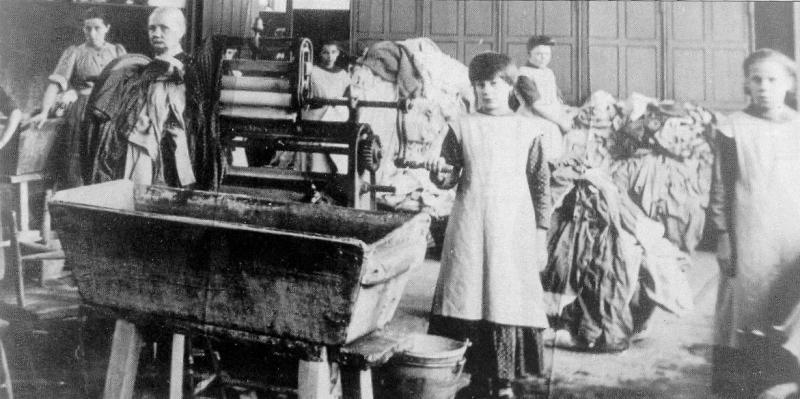
This photo, via Wikimedia, shows unidentified laborers at a Magdalene Laundry in Ireland in the early 20th Century. Magdalene Asylums operated in Ireland until 1996.
The deaths of the children likely occurred because of neglect, disease and malnutrition, which was rampant according to a 1944 government investigation of the home. Mothers who gave birth at the home told Catherine Corless, the researcher who discovered the origin of the bones, that they received extremely poor healthcare. They told her that they were only seen once by a doctor when they were admitted to the house, and long labors were often unattended.
The bone repository – found in a septic tank – was originally discovered in 1975, but it was assumed to contain the remains of victims of the mid-nineteenth century famine until Corless conducted her research.
The “mother-and-baby home” in Taum was one of many Catholic Church-run institutions across Ireland created to house unwed pregnant women, including rape victims, and hide the “stain” they would create on the morality of the country. The Church has been under fire, especially from the United Nations, for operating Magdalene Asylums, or Magdalene Laundries, for unwed women from the 18th to 20th centuries in Ireland and across Europe and North America, as well as for church leaders covering up child sexual abuse. Women in the laundries were forced to work in terrible conditions, and children were often sold without the mother’s consent. Increasing awareness of the offenses committed by the Church has made it much harder for the Vatican and governments to ignore them.
“How can we show in Ireland that we have matured as a society if we cannot call out these horrific acts of the past for what they were? They were willful and deliberate neglect of children, who were the most vulnerable of all,” junior minister for education, Ciaran Cannon, told Reuters. “They were deserving of love and nurturing, but they received the exact opposite. They were shunned by society at the time. The only way we can address that injustice is to tell their story, to determine the truth.”