Texas to Cut Medicaid Funding to Planned Parenthood

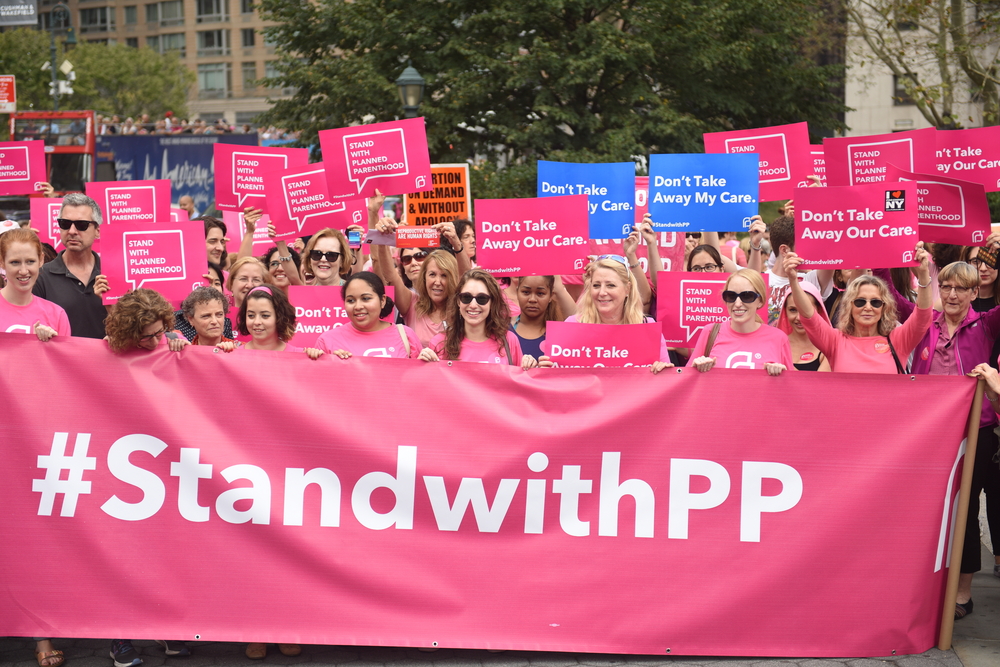
On Monday, Texas officials announced the state will cut Medicaid funding to Planned Parenthood, violating federal law and denying critical reproductive health care to tens of thousands of Texas women.

via  Shutterstock
via Shutterstock

In a letter to Planned Parenthood’s affiliates in the state, the Texas Health and Human Services Commission Office of the Inspector General Stuart Bowen accused the women’s healthcare provider of no longer capably “performing medical services in a professionally competent, safe, legal, and ethical manner” and announcing the withdrawal of funding for the organization through the state’s Medicaid program. Texas Governor Greg Abbott (R) joined Bowen in condemning the organization, citing the false claims of fetal tissue sale on behalf of Planned Parenthood as justification for their exclusion.

A tidal wave of anti-abortion legislation and state and federal investigations have threatened to topple the women’s health care provider in the wake of several surreptitiously recorded “sting” videos released by David Daleidan and the Center for Medical Progress, an anti-abortion group. The videos were later found to be deceptively-edited and fraudulent. To date, all investigations have found no wrongdoing on the part of Planned Parenthood.

“In every state where this fraudulent smear campaign has been invoked, Planned Parenthood has fought for our patients to continue getting the high-quality, compassionate health care we provide, and in every state we’ve won,” said Dawn Laguens, executive vice president of Planned Parenthood Federation of America (PPFA).

According to federal law, Medicaid beneficiaries may obtain services – including family planning – from the provider of their choice. By eliminating Planned Parenthood’s Medicaid funding, states like Texas are willfully limiting access to the healthcare of their citizens’ choosing, providing reasonable grounds to file suit.

Considered one of the most hostile states for reproductive rights, Texas has gutted family planning services statewide, imposing dangerous TRAP laws that have shuttered all but 19 abortion clinics and increased wait times for services of up to 23 days.

“What’s happening today in Texas should be a national scandal,” said Laguens. “It is completely outrageous that Texas officials are using throughly discredited, fraudulent videos to cut women off from preventive health care, including cancer screenings, HIV testing, and birth control. We will fight back against this outrageous, malicious, political attack in Texas with everything we’ve got, and we will protect women’s access to the health care they need and deserve.”

Arizona Judge Blocks Restrictive Anti-Abortion Law

An Arizona judge permanently blocked a 2012 anti-abortion law on Thursday that would have severely restricted medication abortions, ruling the measure would have violated the state’s Constitution by allowing state lawmakers to assign legislative authority to outside entities.

via  Shutterstock
via Shutterstock

HB 2036 would have forced physicians to strictly adhere to the FDA’s guidelines for dosing and administering mifepristone and its companion drug misoprostol, requiring patients to schedule separate appointments in order to receive both medications in office and at a higher dosage than typically prescribed in practice. In addition, the law would have banned medication abortions after just seven weeks of pregnancy.

The law has been met with resistance since its inception. In April 2014, the Center for Reproductive Rights filed suit in Maricopa County Superior Court against the measure, arguing lawmakers did not have the authority to grant the FDA and drug companies the power to set state standards. A federal suit on behalf of Planned Parenthood Arizona followed soon after, resulting in a temporary injunction which in turn reversed a federal judge’s previous ruling to allow the rules to take effect. Last September, Arizona Attorney General Tom Horne petitioned the Supreme Court to review the judgement. The federal case was postponed pending the state court’s decision. And earlier this summer, Arizona health care providers filed a complaint in federal court challenging the law.

The combination of mifepristone and misoprostol (known as Mifeprex in the United States) is the safest and most effective abortion method available. Approximately 1 in 4 women have chosen medication abortion to end their pregnancies since the FDA approved its use in 2000, with nearly half of all women seeking abortions in Arizona having used the method.

Last week’s decision arrives just one week prior to Arizona’s scheduled courtroom deliberation of yet another anti-abortion law, SB 1318, which requires physicians to provide medically unproven information about medication abortion to their patients, including the falsehood that the method is reversible. The trial has since been delayed.

“Whether by restricting a safe method of ending an early pregnancy or forcing doctors to lie to their patients, Arizona politicians have made it their mission to cut off access to safe and legal abortion,” said David Brown, Staff Attorney at the Center for Reproductive Rights. “Today’s ruling is one more key victory in ensuring Arizona women continue to have access to all available options when it comes to their health, safety, and rights. Women’s constitutional rights are not up for debate and facts must always prevail over politics.”

Media Resources: National Partnership Press Release 10/16/15; Feminist Newswire 6/5/15; FDA.gov; Guttmacher Winter 2013 V16 N1; Center for Reproductive Rights Press Release 10/16/15;

California Gov. Signs Bill Protecting Workers from Wage Theft

In a victory for low-wage workers victimized by unscrupulous employers, California Gov. Jerry Brown signed a new bill that holds individuals and corporations accountable for unpaid wages promised to their employees under the law.

via  Flickr
via Flickr

The measure, called The Fair Day’s Pay Act, gives the California Labor Commissioner’s Office the authority to penalize employers found guilty of wage theft and to collect on judgements directly on behalf of laborers. Employers as well as any subsequent business created in their likeness to evade penalties must post a bond between $50,000 and $150,000 or risk the statewide banning of their operations. If employers remain delinquent in their debt, the bill empowers the Labor Commissioner’s Office to authorize a stop-work order against them or attach a lien to the employer’s property. The law ensures companies who contract out employees – for janitorial services, landscaping, and valet parking, for example – are held liable as well.

Though California is home some of the country’s strongest labor unions, wage theft among immigrant and low-wage workers persists. In Los Angeles alone, dubbed “the wage theft capital” of the United States, some $26.2 million in wages are stolen from laborers every week. Moreover, according to a 2013 study from the UCLA Labor Center and National Employment Law Project, only 17 percent of workers who took their employers to task for stolen wages were able to recover any back pay, their employers often forming shell corporations or handing over operations to another entity in order to avoid fulfilling court orders – a fact Sen. Kevin de Leon (D-Los Angeles), the measure’s author, cites as motivation for the bill’s urgent enactment.

“There have been a lot of judgements against dishonest businesses; the problem has been the collection,” said de Leon. “this is going to provide a level playing field for the honest businesses who pay their workers, and help workers collect the pay they’ve earned.”

For David Huerta, President of the Service Employees International Union (SEIU) United Service Workers West, who in partnership with several labor organizations including the Koreatown Immigrant Workers Alliance (KIWA) and the Wage Justice Center championed the bill’s passage, the law addresses more than just wage fairness.

“Victims of wage theft are very often immigrants, women and people of color,” said Huerta. “[The Fair Day’s Pay Act] is about more than just economic rights, it’s about civil rights and immigrant rights. It took years of effort, but workers and community leaders came together and showed that we can win economic justice for the people of California.”

Media Resources: UCLA Labor; Legislature.Ca.Gov; LA Times 9/11/15; SCPR.org 1/25/13; SEIU CA 10/11/15;

Kabul University to Open First Gender Studies Program in Afghanistan

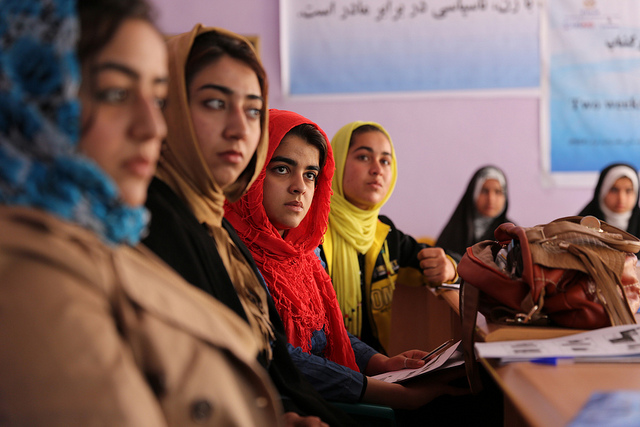
Kabul University just launched its first Gender and Women’s studies graduate program, the first of its kind in all of Afghanistan. The two-year program is another important step for Afghan women in achieving equality and increasing opportunity.

via  Resolute Support Media
via Resolute Support Media

According to the United Nations Development Program (UNDP), the mission of this program is “to create a platform for training future advocates of gender equality; generate research on gender, violence against women and underprivileged groups; and raise awareness about men’s and women’s social responsibilities.” The M.A. program, which was designed with UNDP Afghanistan’s technical guidance and financial support from the Republic of South Korea, will also focus on decreasing Afghanistan’s reliance on foreign experts and help the continuing emergence of women as decision makers, leaders of civil society movements, journalists and entrepreneurs.

Twenty-eight students including 18 women and 10 men have enrolled in the first class. Afghan Higher Education Minister Farida Momand said in a statement, “We witness a historic moment at Kabul University as we open a gender and women’s studies program…this program will serve as a model that universities throughout the country can replicate in the future.”
Girls were banned from going to school during the Taliban regime. Today, according to USAID, 2.5 million girls are attending schools. According to recent data there are about 200,000 college students in Afghanistan attending some 70 private and public universities of which approximately one fifth are female students .

Kabul University, which is a public university, has more than 20,000 students from all over the country.

Media Resources: Khaama News 10/18/15; CNN 10/17/15; University Herald 10/18/15; UNDP;

Dangerous TRAP Laws Blocked in Ohio and Oklahoma

This week, women’s healthcare providers in Ohio and Oklahoma challenging anti-abortion legislation have succeeded in blocking dangerous TRAP laws in two of the most hostile states in the nation for reproductive rights.

via  Shutterstock
via Shutterstock

On Tuesday, in a lawsuit filed by Planned Parenthood Southwest Ohio, a federal court issued a preliminary injunction blocking the enforcement of HB64, a 2015 measure which automatically suspends ambulatory surgical facilities (ASFs) licenses should the state’s Department of Health deny an application for variance or neglect to process it within 60 days of receipt. Facilities providing abortion care must also maintain written transfer agreements with hospitals within 30 miles, though clinics are banned from acquiring such agreements from public hospitals.

According to Kellie Copeland, NARAL Pro-Choice Ohio’s Executive Director, abortion providers should not be forced to adhere to “medically unnecessary” restrictions.”Transfer agreements and license application restrictions do not improve patient care in any way,” said Copeland. “In fact, the abortion restrictions signed by Gov. Kasich make it harder for women to access safe care from a doctor. They are bad policies and bad politics.”

Ohio, which has also imposed a 24-hour waiting period for abortions as well rigid regulations on medication abortion, has seen the number of clinics drop from 14 in 2013 to just 9 statewide. Tuesday’s decision will keep two of those remaining nine open.

Meanwhile in Oklahoma, a state court judge ordered a measure banning dilation and evacuation abortions (D and Es) – the most common second-trimester termination procedure – be blocked on Wednesday.

In the eighth lawsuit in five years filed by the Center for Reproductive Rights (CRR) targeting TRAP laws nationwide, the court granted a temporary injunction against HB 1721, a measure criminalizing abortion providers performing D and Es in Ohio, fining them $10,000 or a sentencing of up to two years in prison for carrying out the procedure. The judge left intact HB 1409, however, permitting doctors to refuse to perform abortion on ethical, moral or religious grounds and forcing women seeking abortions to wait 72 hours for the procedure.

President and CEO of the Center for Reproductive Rights Nancy Northup calls the repeated legislative actions by conservative lawmakers in the state “unacceptable.”“Oklahoma politicians have made it their mission to block women from safe and legal abortion when they need it most, trampling the rights afforded to women by their state constitution in the process,” said Northup. “When faced with an unintended pregnancy, Oklahoma women need high-quality care, not forced delays or measures that criminalize their doctors.”

HB 1409 is scheduled to take effect November 1.

Media Resources: National Partnership for Women and Families 10/14/15; 10/15/15

LGBT Californians Make Legal Strides

Wednesday Oct. 7 marked a big day for LGBT Californians; Gov. Jerry Brown (D) signed into law four bills that protect same-sex families, LGBT students and many more.

shutterstock_156003761

Each of the four bills targets a different flaw in existing law:

  • AB 959, authored by Assemblymember David Chiu (D), requires certain state health and social service agencies to collect sexual orientation and gender identity data from those they serve. Advocates say this will stop the erasure of queer folks from demographic records and ensure the LGBT community is being adequately served.
  • AB 960, also authored by Chiu, protects parental rights for same-sex couples who undergo assisted reproduction.
  • AB 827, authored by Assemblymember Patrick O’Donnell (D), requires the State Department of Education to ensure teachers have adequate resources to help LGBT youth who face bullying or other safety issues in school. Queer youth have a higher dropout rate than their peers, due in part to the social exclusion they face.
  • SB 703, authored by Senator Mark Leno (D), prohibits businesses contracting with the state from denying benefits to workers based on their gender identity, protecting transgender Californians from discrimination.

“We are deeply grateful to both Gov. Brown and the legislators who authored and got these bills passed,” said Rick Zbur, executive director of Equality California, a co-sponsor of all four bills. “California continues to lead the nation recognizing and protecting LGBT people as fully equal members of society thanks to their leadership.”

Gender Gap Persists for Women Seeking Nobel Science Prizes

According to a recent analysis by Fortune, women scientists pursuing their field’s top prizes have one major obstacle to overcome that their male peers do not: gender bias.

via  Vivienne for Flickr.com
via Vivienne for Flickr.com

Of the 870 individuals and 23 organizations awarded the Nobel Prize since its inception in 1901, women have received the award just 49 times, compared to men who have been honored 825 times in the prize’s history. The gender gap is widest in the fields of physics, chemistry and medicine with only 1 percent, 2.33 percent, and 5.71 percent awarded to women respectively over 114 years. This year alone, seven men won Nobel Prizes for their contributions to physics (2 recipients), chemistry (3 recipients), medicine (2 recipients) while only one woman – Tu Youyou and her work in treating malaria – recognized in medicine.

Fortune‘s findings are disappointing, but not surprising. A 2012 study showed science professors in universities nationwide regarded their female undergraduate students as less competent than their male counterparts, despite demonstrating the same skills and achievements, a perception which limits job and mentorship opportunities for the women. Last month, the Journal of the American Medical Association published a report revealing women scientists receive less early-career funding than men, affecting their ability to build labs, conduct analyses, publish findings and procure grants for future research. Without equal access to the vital resources necessary to achieving their professional goals, women scientists are more unlikely to have a career in their chosen field, much less receive recognition for it.

Fortunately, the numbers of women winning world’s top prizes for innovation are increasing every year, though modestly. Between 2000 and 2015, women received 19 Nobel Prizes, up from 11 between 1981 and 2000 and 5 between 1961 and 1980. For Göran Hansson, secretary for the committee for the Nobel Prize in physiology and medicine, the growth is “not impressive,” but is nonetheless an improvement. “I looked at prize statistics for medicine, and in the last 30 years, we had eight laureates,” said Hansson. “In the last 10 years, we had four, so clearly an increasing proportion, which reflects that more women are going into the sciences and making fantastic careers.”

Media Resources: Fortune 10/12/15;

Activists Rally for Latina Equal Pay Day

Women of every race and ethnicity experience a gender pay gap in the United States, but for Latina women that wage gap is staggering. On average, women are paid 79 cents for every dollar that a white man is paid, while for Latina women are paid only 56 cents.

via  Shutterstock
via Shutterstock

Today, ten months into the calendar year, is the Latina Equal Pay Day. In other words, this is the day when Latina women finally catch up to white non-Hispanic men’s annual earnings from 2014.

A recent study by the National Women’s Law Center revealed that Latina women are underpaid at every education level, with the largest gab between those with the least education. The study revealed disturbing discrepancies in pay, including that Latinas with a bachelor’s degree are paid almost the same as white men with only a high school education. Similarly, there exists a wage gap across occupations.

Democratic women in Congress have been pushing for legislation that would greatly lessen the gender pay gap experienced by women in the workforce, as well as prevent retaliation against women seeking pay parity. The Paycheck Fairness Act, introduced in the Senate in 2013, would prohibit retaliation for sharing pay information, as well as require employers to prove that any pay disparity is not on the basis of sex. It has since been blocked by Republicans in the Senate more than once. Earlier this year California Governor Jerry Brown was set to sign a similar bill that was called “the strongest equal pay law in the nation.”

Research by the American Association of University Women shows that Latina women are an increasingly influential constituency in the United States. As a powerful and growing voting bloc AAUW advises presidential candidates to take a special note to the gender wage gap by addressing the challenge.

A Twitter storm about Latina Equal Pay Day will be held today from 3:30-4:30 pm ET co-hosted by the American Association of University Women, the Feminist Majority, and the National Women’s Law Center among other organizations using the hashtag #LatinaEqualPay.

Media Sources: National Women’s Law Center; American Association of University Women; Feminist Newswire 4/14/15;

Oklahoma State Court Blocks One Anti-Abortion Measure, Allows Another

A state court blocked an Oklahoma measure yesterday that would have banned the most commonly used method of second trimester abortion.  Judge Patricia Parrish allowed, however, a measure that will triple the state’s mandatory waiting period from 24 hours to 72 for all women seeking abortion services beginning in November.

via  Shutterstock
via Shutterstock

Judge Parrish issued a temporary injunction for HB 1721, which would have banned the dilation and evacuation abortion procedure, a safe and common method of second trimester abortion. The Center for Reproductive Rights filed a lawsuit earlier this month to challenge the law, resulting in Judge Parrish’s ruling yesterday.

Nancy Northup, President and CEO of the Center for Reproductive Rights, applauded the court’s decision to block the law that would ban this safe and common method of abortion, however she also criticized the court’s decision to allow the dramatic tripling of Oklahoma’s mandatory waiting period.

“Today’s ruling falls short of recognizing women as capable decision-makers who do not need to be told to go home and wait at least three days before they can get the care they need. Oklahoma women already face incredible obstacles when they need to legally and safely end a pregnancy and this law only makes matters worse,” Northup said.

In August, anti-abortion lawmakers in Oklahoma attempted to pass a bill banning medication abortion past 7 weeks, requiring patients to undergo an unnecessary surgical procedure rather than using medications alone. Judge Parrish also was the one to issue a ruling in this case, and found that the restrictions clearly violated the state constitution.

Media Resources: Center for Reproductive Rights 10/14/15; Feminist Newswire 8/11/15; RH Reality Check 8/10/15;

World Commemorates International Day of the Girl Child

On Sunday, the world celebrated the fourth annual International Day of the Girl Child. Created by a United Nations Resolution in 2011, The Day of the Girl is meant to recognize the power of girls, while also addressing the problems that force millions of girl to drop out of school and not realize their potential.

via Ramesh Lalwani / Flickr.com

The International Day of the Girl attracted support from numerous notable figures from around the globe. Chelsea Clinton spoke at The United Nations Children’s and Fund (UNICEF), encouraging girls to seek out strong female role models. Malala Yousfzai, a long-time advocate for girls’ education, urged leaders to follow through with their plans for providing education for girls throughout the world in order to achieve gender equality by 2030. First Lady Michelle Obama also joined in, releasing a Spotify playlist with girl power anthems.

The theme for this year’s celebration was “The Power of the Adolescent: Vision for 2030,” examining the progress for girls made in the last fifteen years and the prospect for achievement in the next fifteen years. In an effort to achieve gender equality, the organization further encouraged all member states, UN agencies, private sector stakeholders and the civil society to put adolescent girls at the center of all sustainable development efforts in the next 15 years.

The UN is stressing the importance of providing adolescent girls with a safe, educated and healthy life during their formative years. As girls grow into mature women, the UN’s goal is to empower them to change the communities around them and the world at large. With the largest generation of girls in history now becoming adolescents, the United Nations (UN) is urging key players in the development field to invest in and empower them in order to break the cycle of intergenerational poverty.

In a statement, UN Secretary-General Ban Ki-moon noted that the world must “mak[e] good on our promises to give girls all the opportunities they deserve as they mature to adulthood by 2030. That means enabling them to avoid child marriage and unwanted pregnancy, protect against HIV transmission, stay safe from female genital mutilation, and acquire the education and skills they need to realize their potential. It also requires ensuring their sexual health and reproductive rights. Girls everywhere should be able to lead lives free from fear and violence. If we achieve this progress for girls, we will see advances across society.”

Media Resources: United Nations Statement of the Secretary-General 10/11/15

EEOC Launches Hollywood Gender Discrimination Probe

The Equal Employment Opportunity Commission (EEOC) has contacted several women directors in Hollywood in an effort to determine whether legal intervention is necessary to disrupt the industry’s discriminatory hiring practices.

via lj16 / Flickr.com
via lj16 / Twitter.com

In a letter sent to some 50 women filmmakers, the EEOC – which is responsible for protecting individuals from employment discrimination based on sex, race, color, religion and national origin through enforcement of Title VII of the Civil Rights Act of 1964 – requested interviews with them to “learn more about the gender-related issues” women behind the camera face in both the film and television industries.

In May, following the release of a study by the San Diego State University Center for the Study of Women in Television in Film revealing only 7 percent of 2014’s 250 top-grossing movies were helmed by women, the ACLU of Southern California and the national ACLU Women’s Rights Project urged state and federal rights agencies to investigate Hollywood’s failure to hire equal numbers of women. Additional studies, including a DGA report finding women directed just 16 percent of television episodes between 2014 and 2015, were also cited in their complaint.

“Women directors simply aren’t getting a fair opportunity to succeed, because of systemic discrimination,” explained ACLU Women’s Rights Project senior staff attorney Ariela Migdal. “It’s time for our civil rights enforcement agencies to take action to ensure that women have a level playing field.”

The EEOC’s recent moves mark the agency’s first major step in over thirty years to address gender inequality in the film industry. Just two years ago, filmmaker Marie Giese challenged the commission to investigate Hollywood’s hiring practices, only to be told it “couldn’t take this on in an industrywide approach,” suggesting instead individual lawsuits be filed by women against studios within a 12-month period “with smoking-gun evidence.” Concerned no women would risk their careers for fear on being blacklisted, Giese took her complaint to the ACLU.

Though it is unclear whether the EEOC’s investigation will result in a class action lawsuit against Hollywood’s most egregious offenders – under law, the agency cannot confirm or deny the existence of a charge – women filmmakers like Giese remain hopeful.

“This investigation is long overdue,” Giese told Deadline Hollywood. “I hope this will be the spearhead to create equality for every woman in our industry, and for every woman in every industry in America.”

Media Resources: Deadline Hollywood 10/6/15; Variety 10/6/15


Report Finds Texas’ HB2 Increases Abortion Wait Times

A new report released by the University of Texas at Austin, Texas Policy Evaluation Project found patients seeking abortions in Texas have experienced an increase in wait times since the passage of HB2, the 2013 Texas omnibus anti-abortion bill that attempts to cut off abortion access by requiring abortion providers in the state to fulfill medically unnecessary ambulatory surgical center requirements and secure hospital admitting privileges.

via Duane Burdick / Flickr.com

More than half of 42 clinics providing abortion in Texas have been forced to shut their doors since HB2 passed two years ago, leading Texas women to wait up to 20 days for a first consult at one of the surviving 18 reproductive health clinics operating in the state, the second most populous in the nation. In cities like Dallas, where one of the state’s most high-volume clinics was shuttered in June, patients saw wait times rise to 20 days, while in neighboring Fort Worth, the wait list to obtain an abortion grew as long as 23 days since the study began late last year. Austin, Houston and San Antonio also experienced increases, each spiking at 23 days, 13 days and 9 days, respectively.

“Texans are now forced to undertake multiple, unnecessary visits to clinics that are now farther away; they take more days off of work, lose income, have to find childcare, and arrange and pay for transportation for hundreds of miles,” said Amy Hagstrom Miller, president and CEO of Whole Woman’s Health. “A woman’s ability to get safe medical care should not depend on whether she has the resources necessary to navigate a horrific and complex obstacle course dreamt up by anti-choice lawmakers. This is the real world and these laws have real implications on real women’s lives.”

Hagstrom Miller is one of the lead plaintiffs represented by the Center for Reproductive Rights in a lawsuit challenging HB2’s ambulatory surgical center (ASC) and admitting privileges requirements as unconstitutional. In August 2014, a federal district court blocked both restrictions as unconstitutional. Texas appealed, and the US Court of Appeals for the Fifth Circuit ruled in in October 2014 that both restrictions could take effect even though the case was still being heard in court, leaving Texas with only 7 clinics providing abortion. The Supreme Court immediately stepped in, temporarily blocking enforcement of the ASC requirement statewide and blocking enforcement of the admitting privileges requirement in McAllen and El Paso until the Fifth Circuit could make a final ruling on the law’s constitutionality. More than a dozen clinics reopened as a result of the Supreme Court’s decision.

Just this past June, however, the Fifth Circuit issued its final decision on the case, reversing the district court and upholding both requirements. The Supreme Court once again stepped in to temporarily block the decision, maintaining the status quo while the clinics continued their legal challenge.

The Center for Reproductive Rights last month filed a formal request for the Supreme Court to review the case, Whole Woman’s Health v. Cole. The Court should rule on this request by the end of the year. Should the Court deny review, more than 75 percent of abortion clinics in Texas would close, cutting off access to safe, legal abortion for millions of Texas women and forcing wait times at remaining clinics to continue to rise.

Media Resources: Texas Policy Evaluation Project 10/5/15; Center for Reproductive Rights 10/5/15, 9/3/15; Feminist Newswire 6/29/15, 10/15/14, 10/3/14, 9/3/14

Women Scientists Receive Less Funding Than Their Male Peers, Study Finds

According to a new study published by the Journal of the American Medical Association, male scientists receive twice as much financial support to kickstart their careers in science and medicine as their female counterparts, an early career inequity that could limit professional opportunities for women scientists throughout their working lives.

via Brian Turner / Flickr.com
via Intel Free Press / Flickr.com

Conducted by Health Resources in Action (HRiA), analysts studied 219 biomedical researchers who had applied for early-career grant funding at 55 New England hospitals, universities and research facilities between 2012 and 2014. The findings revealed male scientists received a median of $889,000 to jumpstart their careers as faculty researchers, while their female peers received just $350,000. The gap between applicants holding Ph.D.s was even wider. Men received $936,000 to launch their careers compared to the $348,000 granted to women.

As noted by Nancy Hopkins, professor emeritus of biology at the Massachusetts Institute of Technology, such a disparity in startup funds can limit women scientists’ ability to build labs, conduct analyses, publish findings, and procure grants for future research.

“These are the things that make your career hard or easy,” said Hopkins. “[Women] are going to have to work harder to make up for that.”

Despite significant contributions in STEM fields, women’s representation at the top levels of biomedical research still lags. Today, women comprise only 30 percent of funded researchers nationwide. But HRiA Vice President and author of the study, Dr. Robert Sege, Ph.D. says more examination is necessary to determine whether the gender differences are experienced by all early-career scientists.

“We were startled to see a consistent gap in the amount of support provided to men and women with the same credentials – even from within the same institutions,” said Sege. “This first look suggests the need for systematic study of gender differences in institutional support and the relationship between career trajectories.”

Media Resources: The Boston Globe 9/15/15; Health Resources in Action 9/15/15


Federal Judge Orders Anti-Abortion Group to Cede Footage to NAF

On Tuesday, a federal judge ruled that anti-abortion group Center for Medical Progress (CMP) and its leader David Daleidan must turn over all previously unreleased “sting” videos and outtakes of National Abortion Federation (NAF) meetings the group obtained surreptitiously as part of a smear campaign against the abortion provider.

via Brian Turner / Flickr.com

U.S. District Court Judge William Orrick ordered CMP to relinquish some 500 hours of undercover footage to NAF per Congressional subpoena, but maintained the bar on the release of “any footage, documents, or communications that have not been specifically requested” by Congress. Daleidan and CMP had previously refused to hand over the footage in an effort to stall the progress of NAF’s legal discovery into the group’s “evidence” collection methods.

In a statement released Tuesday, NAF president and CEO Vicki Saporta underscored the importance of protecting those members appearing in the videos from harassment and threats of violence from anti-abortion extremists.

“We have never taken the position that Daleidan and the other Defendants in our case should be barred from providing compelled responses to lawful subpoenas,” said Saporta. “Our focus has always been and continues to be safety and security of our members. We urge Congress to be mindful of the security risks faced by abortion providers, and the need for confidentiality as they conduct their investigation.”

The release of several fraudulent videos by CMP which claim to capture the sale of fetal tissue by Planned Parenthood have been proven false repeatedly, but have nonetheless sparked endless state and federal investigations into the organization, NAF and abortion providers nationwide. To date, zero investigations ahve found evidence of wrongdoing.

In the meantime, NAF hopes the judge’s ruling confining the release of materials to those requested specifically by the subpoena will further highlight CMP’s potentially illegal activities.

“We do not believe that all the footage CMP stole from our meetings is responsive to this subpoena, and we urge the Committee to require Daleidan to also turn over all documents and emails relevant to the conspiracy and fraud he committed against NAF and our members,” said Saporta.

Media Resources: NAF Press Release 10/6/15;

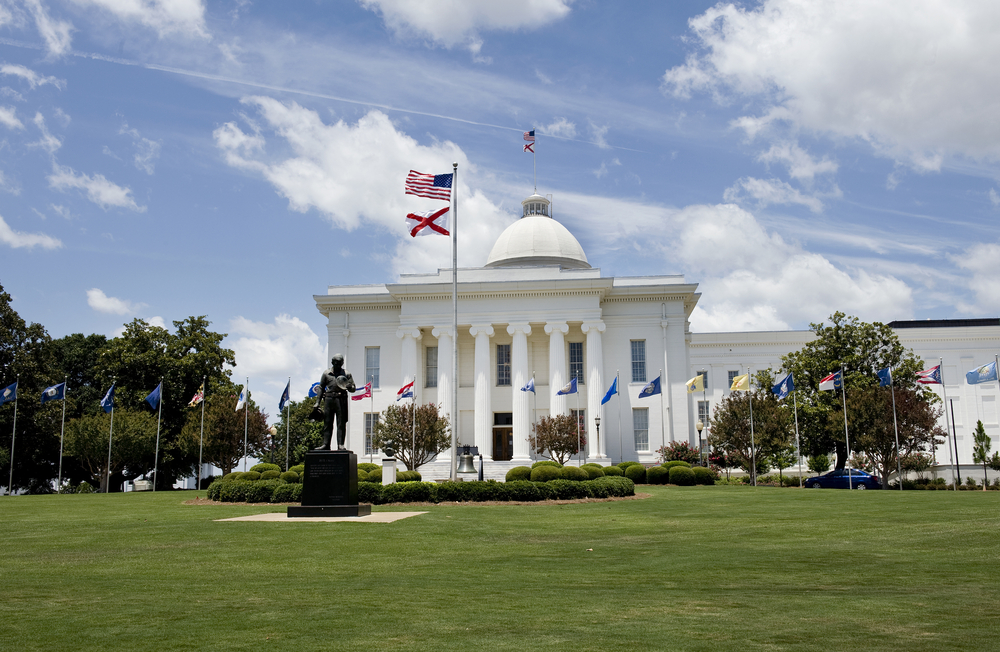
31 Alabama DMVs Close, But Photo ID Still Required to Vote

In the wake of a new law requiring Alabama voters present photo identification to cast their ballots, the state announced this week it will close 31 satellite DMV offices, 8 of which serve the highest percentage of minority registered voters. Now, Alabama Congresswoman Terri Sewell is calling on the Justice Department to investigate the legality of these DMV closings which, blamed on statewide budget cuts, have taken place in mostly rural, poor counties with a majority of black voters.

via  Shutterstock
via Shutterstock

In 2014, following the Supreme Court’s decision to strike down Section 4 of the Voting Rights Act which required states with a history of minority voter suppression receive approval from the Justice department before imposing new voter restrictions, Alabama revised their voter laws to include a photo identification provision. That year, during the midterm elections, Alabama saw its lowest voter turnout since 1986 at just 41 percent. Today, it is estimated 250,000 Alabamians lack the proper identification required to vote.

Critics argue the DMV closures will compound the problems raised by the voter ID law, making it nearly impossible for working Alabamians to obtain a photo ID and disenfranchising tens of thousands of eligible voters including students, the elderly, the poor and people of color. “We have zero days of early voting. You aren’t allowed to vote absentee unless you’re out of the country or working more than 10 hours on Election Day,” said Susan Watson, executive director of the Alabama American Civil Liberties Union. “It’s already hard to get an ID if you are in a rural place and don’t have a DMV close to you. But if they shut these offices down, I’m wondering what people are supposed to do.”

But Republican Secretary of State of Alabama John Merrill insists the closures will have little to no effect on voters seeking proper identification, arguing each county has access to a Board of Registrar’s office as well as a mobile unit that circles the state distributing free voter IDs. These services, however, have a very limited reach. Fewer than 7,000 Alabamians have been able to procure the state’s free IDs and to date, fewer than 30 voters have received IDs via the mobile unit as it only serves one location in each county and for only two hours at a time.

On Monday, Congresswoman Terri Sewell, a third-generation Alabamian from historic Selma and a sponsor of the Voting Rights Amendment Act, called on the Justice Department to investigate the state’s activities. In addition, Sewell invited Attorney General Loretta Lynch to visit Alabama to observe the impact on voters firsthand, including in her own district which is losing nearly half of their DMVs.

“The state of Alabama is balancing its budget on the backs of the people who can least afford it. There’s no denying that the impact and effect is a disproportionate burden on low income communities,” said Sewell. “These are poor rural communities where people don’t have cars. They struggle to get their jobs let alone to an ID office. But instead of doing things like expanding Medicaid and accepting millions of dollars from the federal government, Alabama lawmakers would rather raise cigarette taxes and closes DMV. It’s unacceptable.”

Media Resources: CNN 7/25/15; Alabama News 12/5/14; Think Progress 8/26/15; 10/6/15;


Study Finds US Gender Wage Gap Persists

Data compiled by the US Census Bureau this week once again demonstrates a gender wage gap, showing that American women who work full-time, year-round jobs on average earn 79 cents for every dollar paid to men. This loss in wages amounts to an average of $10,762 annually for white women, and is significantly greater for women of color.

via  Shutterstock
via Shutterstock

The data, analyzed by the National Partnership for Women and Families, reveals women with full-time, year-round employment receive far less than their male counterparts, earning roughly $39,621 yearly compared to men whose wages exceed $50,000. The pay disparity is even greater for women of color. Overall, African American women earn just 60 cents on the dollar and Latinas a mere 55 cents.

The need to close the gender wage gap could not be more critical. Not only do women comprise nearly half of the paid work force in the US, but they also head more than 15.2 million households, 4,658,047 of which fall below the poverty line. With the additional $10,762 annually in found wages, women breadwinners would earn enough money for approximately 83 more weeks of food, over a year’s worth of rent and an extra 4,635 gallons of gas.

That gap is even starker for women of color. Full-time working African American women earn an average 60 cents for every dollar paid to a white man, and Latinas earn a startling 55 cents. These gaps amount to losses of tens of thousands of dollars for women each year.

“This study confirms that a punishing wage gap persists for women in every corner of the country and the costs for women, their families and our national and state economies are significant,” said Debra L. Ness, president of the National Partnership for Women and Families. “America’s women and families – and our nation – cannot afford to wait any longer for the fair and family friendly measures that would help.”

Media Resources: US Census Bureau 9/16/15; National Partnership Data; National Partnership Press Release 9/16/15; Feminist Newswire 9/1/15

Deal in Trans-Pacific Partnership is Reached

The United States and eleven other countries have reached an agreement on the Trans-Pacific Partnership, leaving environmentalists, human rights activists, women’s rights activists, doctors, and many others concerned. This deal was struck after years of prolonged and often secretive negotiations, and still needs to secure approval from Congress.

via  SumOfUs
via SumOfUs

The Trans-Pacific Partnership (TPP) trade agreement would regulate and govern trans-Pacific commerce for 12 countries- making up a startling 40 percent of the world’s economy. In June, President Obama Congress granted President Obama trade promotion authority–better known as “fast track”– which allows Obama to present the completed deal for an up-or-down vote in Congress, barring any amendments or filibusters. Fast track also prevents Congress from having significant input into US trading partners. That is a big concern, especially since among the countries included in the TPP is oil-rich Brunei, a country that adopted a vicious new penal code last year that threatens the rights and lives of women, lesbians, and gay men.

“The TPP, if passed, would implement trade rules that make it illegal for governments to create and enforce regulations on everything from environmental standards, to wage and labor laws, to the duration of copyrights,” said Amy Goodman of Democracy Now. “A law prohibiting the sale of goods made in sweatshops in Vietnam could be ruled illegal, for example, as a barrier to trade,” Goodman continued.

Over 2,000 organizations, including the Feminist Majority, AFL-CIO, National Organization for Women, NAACP, People for the American Way, Pride at Work, and the Sierra Club, opposed legislation to fast track the TPP. These organizations released a joint letter representing labor, environmental, farming, civil rights, digital rights, human rights, public health, faith, student, consumer, and other concerns.

Environmentalists have called the deal that has been struck with the TPP a “disaster for climate change.”  Karthik Ganapathy of environmental group 350.org responded to the White House claim that the deal has potential for environmental conservation. “… [T]he truth is by handing even more power to Big Oil, letting massive corporations throw tantrum lawsuits at governments who dare to scale back emissions, and prolonging our reliance on fracked gas, there’s no question that the Transpacific Partnership is an absolute disaster for our climate,” Ganapathy said.

Media Resources: Democracy Now Blog 3/19/15; Citizens Trade Letter; Feministing 4/24/15; Feminist Newswire 6/10/15; Think Progress 10/5/15;

Sheryl Sandberg Releases Women In the Workplace Study

Sheryl Sandberg, COO of Facebook and the founder of Lean In has launched Women In The Workplace, a study that looks at the state of women in corporate America.

via  Shutterstock
via Shutterstock

The study, which was released last week, is an ongoing partnership between Lean In and McKinsey & Company. It revealed the challenges that women in the corporate field face within the workplace. The study shows a persistent pay gap, an uneven playing field for female employees, a lack of commitment to gender diversity from corporations, and that women face “greater barriers to advancement and a steeper path to senior leadership.”

Given the results of the study, Sandberg argues that at this rate it would take a 100 years to achieve gender equality in the business world if policy and cultural changes are not made.

“When women get stuck, corporate America gets stuck,” Sandberg told the Wall Street Journal. Women are less likely to reach leadership positions as they advance in their careers. Sandberg argues that this is because women have less access to mentorship and sponsorship in their careers. Stereotypes and biases that disadvantage women have also contributed to inequalities in the workplace.

This study seeks to encourage women in positions of leadership by getting as many companies as possible to participate. Doing so gives room for comparison amongst companies themselves. It also pushes them to measure their progress towards gender equality. At the time this study was done, a reported 118 companies had participated.

Sandberg remarked that diversity is important for better performance within organizations. She reports that it increases creativity, profits and innovation among other things. However, as the study shows, gender diversity is not a top priority for the leadership of many companies which hurts women’s careers in these work environments.

To make gender equality a reality, Sandberg believes corporations need to give this issue the urgency it deserves. The Women in the Workplace study not only provides statistical data on the inequality companies possess but also provides realistic measures companies can undertake to address the issue. For instance, the study suggests that companies develop programs that help employees identify bias and stereotypes that disadvantage women.

Despite the current rate of change in the corporate workplace, Sandberg is optimistic. “We will achieve not just a stronger and more successful workplace, but also increased economic growth and benefits for all our workers and families,” said Sandberg, reflecting on the many positive benefits of gender equality in the workplace.

Over the years Sandberg’s work on gender equality in the workforce has been very significant. In her capacity as Chief Operating Officer (COO) of Facebook Incorporated, Sandberg has pushed for better wages and benefits for contracted employees: a move that would largely benefit women workers.

Media Resources: Wall Street Journal 9/30/15; Women In The Workplace Report; Feminist Majority Foundation 5/13/15

Australia Deports Anti-Abortion Extremist Troy Newman

Anti-abortion extremist Troy Newman has been deported from Australia after an appeal to remain in the country failed to convince the High Court.

via  Hai Linh Truong
via Hai Linh Truong

Newman was scheduled to speak at a 10-day Right To Life Australia event, but was detained in Denver, Colorado after Immigration Minister Peter Dutton cancelled his visa citing as grounds for revocation Newman’s prior history of promoting violence against abortion providers and their patients. Ignoring Dutton’s order, Newman rerouted his trip using a different airline and was able to touch down in Melbourne on Thursday where he was detained by officials. Newman’s attorneys immediately filed an emergency injunction to halt his deportation, but a High Court judge denied the bid and Newman departed Australia Friday morning.

Prior to Newman’s visit, several Australian politicians expressed fear of increased harassment and violence against women and women’s healthcare providers with his presence in the country, including Australia’s Labor MP, Terri Butler, who wrote a letter to Immigration Minister Dutton warning Newman could inspire “threats or the commission of acts of violence” during his stay.

“I am most concerned that Mr. Newman’s call for abortionists to be executed could lead to threats or the commission of acts of violence against women and medical professionals,” said Terri Butler, Australia’s Labor MP, in a statement. “To think he is above the law gives us insight into the sort of person we are dealing with. We don’t welcome extremists into our country and we don’t welcome extremism.”

Despite his claims that he “has never advocated violence,” Newman, president of Operation Rescue and Center for Medical Progress board member wrote in a 2000 tome called Their Blood Cries Out, “In addition to our personal guilt in abortion, the United States government has abrogated its responsibility to properly deal with the blood-guilty. This responsibility rightly involves executing convicted murderers, including abortionists, for their crimes in order to expunge bloodguilt from the land and people.”

In 2003, Newman defended the actions of death row inmate Paul Jennings Hill, the convicted murderer of Dr. John Britton, an abortion provider slain along with his volunteer escort in 1994. A participant in activities of Newman’s organization Operation Rescue, Scott Roeder, was found guilty of the murder of Dr. George Tiller, an abortion provider in Wichita, Kansas in 2010.

Media resources: The New York Times 10/1/15; BBC 10/2/15

House Republicans to Launch New Select Committee to Investigate Planned Parenthood as Attacks on Clinics Continue

On Saturday, Rep. Marsha Blackburn (R-TN) announced House Republicans will assemble a new select committee to investigate Planned Parenthood, one of many formed since the release of several deceptively-edited “sting” videos by anti-abortion group the Center for Medical Progress (CMP). The videos, which CMP claims capture the illegal sale of fetal tissue, have since been thoroughly and repeatedly debunked. Meanwhile, two Planned Parenthood clinics in two different states have been set on fire in apparent arson.

via a katz / Shutterstock.com

According to Blackburn, the committee’s creation is the first part of a three-pronged strategy devised to limit abortion rights in the wake of CMP’s fraudulent videos. The committee, to be chaired by Blackburn under the jurisdiction of the Energy and Commerce Committee, plans to push the passage of “additional pro-life measures” through Congress and “break the Senate logjam” by crafting a budget reconciliation package with the intent of defunding Planned Parenthood.

House Democrats, including House Democratic leader Nancy Pelosi, were swift to condemn the House Republicans’ actions, alleging the lawmakers are “trying to make it easier to shut down the government and harder for millions of women to access the lifesaving health care.”

“One in five American women has relied on a Planned Parenthood health center in her lifetime,” said Pelosi in a statement Saturday. “Hard-working families deserve better than a taxpayer-funded Republican Committee fixated on dismantling women’s health.”

The introduction of a new investigative committee is the latest in a string of maneuvers by conservative lawmakers wishing to defund Planned Parenthood as attempts in recent weeks to attach the issue to a federal funding bill that must pass in Congress Wednesday or risk government shutdown have failed.

To date, state and federal inquiries into Planned Parenthood have found no evidence of wrongdoing.

Meanwhile, attacks against Planned Parenthood Clinics have been happening across the country. Just last week a Planned Parenthood clinic was set on fire in California in an apparent arson, as a bottle filled with flammable liquid was thrown through a window. The clinic is working to assess damage and re-open as quickly as possible. And last month, a Planned Parenthood clinic in Washington was also set on fire. Police have determined this case arson, and this clinic sustained significant damage burning for almost three hours before fire fighters were able to quell the blaze.

Media Resources: The Hill 9/27/15; Pelosi Statement 9/26/15; Feminist Newswire 9/9/15;

>